This is the first of a three-part series on the use of oak in the wine-making process.
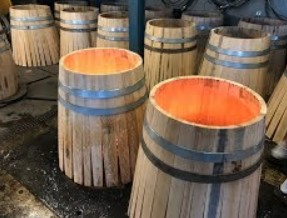
It’s a well-known fact that oak has become the most accepted way to affect the taste of a wine. When added to wine, oak combines with the flavours of the grapes to create a wide variety of incredible tasting wines.
Most the world’s finest wines are aged in oak barrels, with French and American oaks being most commonly used. However, Russian and Eastern European oak are also used, especially in Europe. All wine barrels are made from white oak but the characteristics of the barrels vary greatly depending on the source of the oak.
French Oak
French oak is historically found in the forests of eastern and central France. It has more tannin than the other oaks so lighter grape varieties, such as Pinot Noir, are well suited to tannin-rich French oak. French oak has a tighter-grained wood structure which exposes subtler tastes like aromatic spices, cocoa and coffee. French oak grain is less coarse, contributing to wines with subtle, spicy and smooth, satiny or silky qualities.
American Oak
American oak is twice as dense as French oak, bringing greater spice and wood sugar compounds that slowly extract and fill out a wine’s body. American Oak has a loose grain and is heavy in lactones, which creates flavours like coconut and banana to finished wines. It can also provide an impression of a bit of creaminess and a hint of vanilla in wine. American oak contains a lot of hemicellulose1, which when charred will break down into wood sugars, allowing for some caramelization.
American oak is widely used in Spain to make Tempranillo. American oak barrels can weigh twice as much as French oak barrels but cost about half the price to purchase.
Russian and Eastern European Oak
Eastern Europe has a vast supply of oak trees. Hungarian oak is richer in eugenols, which impart spice, and tends to create a slightly richer mouthfeel with substantial tannin. Caucasian oak, on the other hand, releases less tannin and aromatics, which is better for lighter wines desiring a straight-up expression of the grape itself.
Russian oak is used widely throughout Europe. Slavonian oak is used in a variety of Italian wines. It is known for providing less tannin and more sweetness to the wine.
1 According to ScienceDirect.com, “Hemicelluloses are typically defined as components that can be precipitated by ethanol after extraction from the cell wall by dilute alkali. In such procedures they are extracted after depletion of the pectin content of the walls by aqueous solvents and calcium chelators”.
Sláinte mhaith
 A Layman's Wine Musings