Oak has a major impact on the flavour of the wines we drink; whether it is absent or present; and if it is present, whether it be new oak, old oak or neutral oak. When wine remains in contact with wood during the fermentation and aging process, changes take place due to extractable organic compounds. These biochemistry effects translate into the wine’s aroma and flavour.
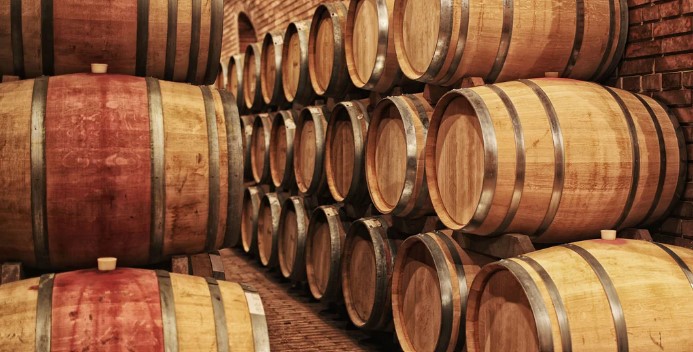
All oak wine barrels are toasted when they are made. Toasting is when the inside of the barrel is exposed to a flame for a specific time and temperature depending on the style of barrel. I will talk more about the toasting process in an upcoming post.
The impact of the toasting process declines as barrels age with use. New oak creates aromatic and flavour complexity in the wine whereas old oak becomes more neutral year after year. Some winemakers use a mix of new and old oak throughout the cellar in order to achieve their desired wine characteristics.
New oak influences red wines differently than white wines. In reds it will adjust the tannic structure while in whites it will open the aromatics of the wine.
The use of a high percentage of new oak barrels can create flavours of toast, vanilla, baking spices, coffee, caramel, maple or smoke. Neutral barrels no longer generate these flavours or aromas. New oak is also used to accelerate the softening of high tannin wines like Cabernet Sauvignon. They can produce a more rounded wine at a younger age.
While neutral oak barrels no longer provide flavour, they still play an important role as they introduce oxygen to the wine. This oxygen seepage has a big impact on the natural chemical conversions that wine undergoes during maturation. Neutral barrels help maintain the fruit qualities of more delicate wines and soften wines that have a high amount of tannin.
The size of the barrel affects the oak’s impact on the wine. The larger the barrel, the less oak lactones and oxygen that are transferred into a wine. Thus, there is less impact on the flavour and aroma. Barrels are normally 225 litres but can be as large as 1,000 to 20,000 litres.
The typical winemaking lifespan of a properly maintained barrel is around five years. However, this may vary depending on the appellation, the type of wine and whether the winemaker is using the barrel for profile influence, oxygenation or storage.
Maintaining enough new oak on hand can be a challenge as there are only a limited number of new barrels available for purchase each year. As well, the cost can be prohibitive as the price of one barrel can range from a few hundred to a few thousand dollars.
Sláinte mhaith
 A Layman's Wine Musings