When searching for the ideal bottle of wine to compliment a meal, for a special occasion, or simply to lounge with in front of the television, many people rely on the wine’s rating number or score, as it’s often referred.
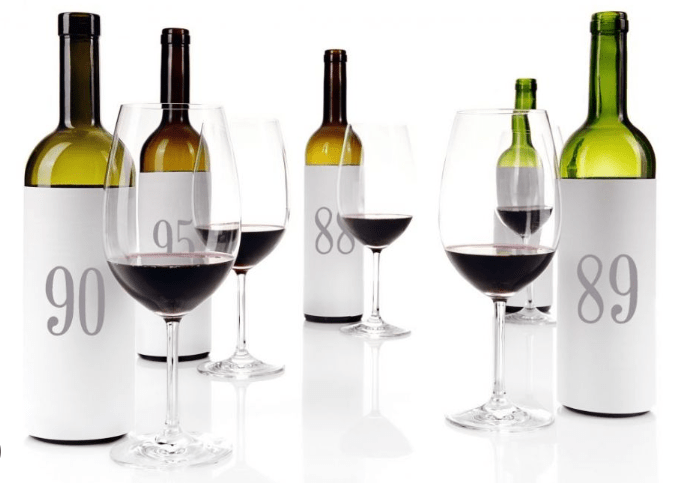
The most commonly used scoring system is what is referred to as the 100-point scale, which was created by James Suckling in the 1980s. Wines with a score between 89 to 91 are considered good; a score between 92 and 94 is great; a score between 95 and 97 is excellent; and a score from 98 to 100 is considered outstanding.
It is important to realize however that every bottle of wine with a score of 98 is not necessarily better than every bottle of wine with a score of 92. Other factors, such as price to quality, must also be considered. Therefore, it is important to take into account other factors of a wine review before making the ultimate decision as to which bottle you are taking home.
If you see the name of a winery whose wine you have enjoyed in the past, there is a good probability that you will like other wines produced by that winery as well.
Noting the type of grapes contained in the wine is an excellent indicator as to whether you may like a wine or not. If you favour certain grape varietals, for example Riesling or Merlot, chances are wines containing those grapes will be more enjoyable for you.
Many countries, including Canada, have a quality standards system that will indicate on the bottle whether the wine has met the appellation of origin standards. These standards ensure that certain agricultural criteria are met. In Canada we have the VQA (Vintner’s Quality Alliance) system. For more information regarding quality standards see the following posts from 2019: Selecting Canadian Wines, France’s Standards of Quality, Germany’s Quality Standards and Italian Quality Standards.
A wine’s place of origin is one factor in determining its characteristics. The region where a wine comes from will indicate the style of wine as well as flavour characteristics. So, if you find you favour the flavour of a wine from a particular region, chances are you will enjoy other wines from that same region.
Not all wines are intended to be consumed right away. Although the majority of wines may be enjoyed when you take them home, some wines are best drunk after they have been laid down for a few years. The vintner’s notes or the wine store will often indicate whether a wine is intended to be enjoyed now or is best to be cellared. Drinking a wine too soon may leave you with unpleasant thoughts about that wine.
Happy wine shopping.
Sláinte mhaith
 A Layman's Wine Musings