Regenerative agriculture is not just a trendy environmental buzzword intended to tug on your emotional “save the planet” heartstrings; it is an ancient form of agriculture that is making its way back into mainstream farming. It’s successful, not only in producing and sustaining quality wine grapes, but it’s also successful in combating climate change, the effects of drought and creating a healthy environment.
Regenerative wine farming means farming grapes in a way that regenerates soil health. It is a set of organic, ecologically driven farming practices that improve the ecosystem by working in harmony with nature. Farming this way increases biodiversity, restores soil and plant microbiome and eliminates the need to introduce toxic pesticides, herbicides and genetically modified organisms (GMOs) into the soil, waters and grapevines.
Equally important are the broader environmental benefits. Regenerative agriculture has the potential to help reverse climate change by capturing carbon in the soil and removing it from the atmosphere.
Decades of extractive farming methods have taken their toll on the land. While sustainability efforts aim to maintain living systems to prevent further degradation, regenerative viticulture will revitalise the terroir, the wines and our bodies. By prioritizing soil health and biodiversity, regenerative viticulture holds the potential to transform the industry and bring it into alignment with a more complete and sustainable vision for the future.
With the focus on living soil, regenerative viticulture builds more robust ecosystems that are less susceptible to climate change and biodiversity loss. Adopting management practices for living soil can increase soil organic matter and reduce carbon from the air, a crucial component of the United Nations Climate Change Conference’s plan to reduce global carbon emissions.
Regenerative viticulture also promotes water percolation and retention and it also better ensures water supply for communities. The overall goal is to guarantee food security, nutrition and community health and well-being, making it a vital component of a sustainable future.
Regenerative farming practices foster a robust ecosystem for the grape vines to prosper naturally, in turn producing fruit that is truly expressive of its surroundings, and wines with enhanced minerality and other nuances that come from healthy, site-specific soil without chemical manipulation. The taste of the wines is distinctly delicious with terroir-driven flavours.
There are a number of components to regenerative viticulture. The first is to plant a variety of cover crops. In traditional agriculture the soil is tilled. This allows for the most economical farming, but it is not good for the soil as it destroys the soil’s natural structure and causes soil erosion, water runoff and poor water infiltration. By introducing a variety of cover crops to the vineyard, bees and other pollinators will have a welcoming habitat. These plants will smother out undesirable weeds and increase water retention in the soil while reducing erosion and reducing the need for pesticides. Cover crops will improve the level of soil nutrients and provide the biodiversity essential for a healthy ecosystem.
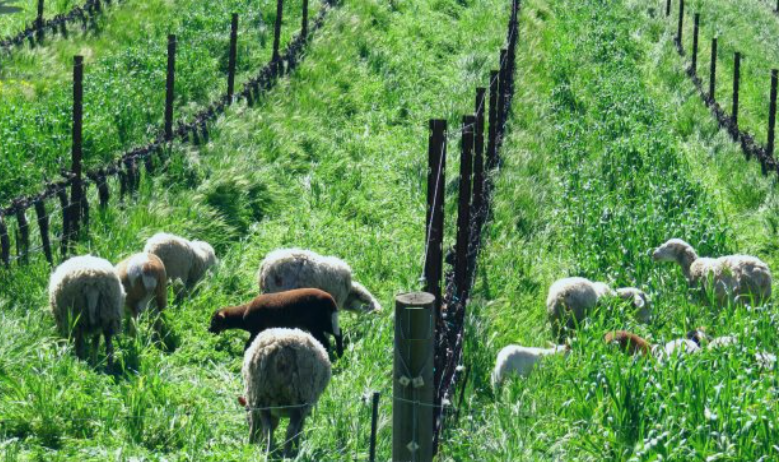
The introduction of sheep, chickens, geese and ducks to roam the vineyards will reduce pests and weeds, as well as provide nutrient-rich manure to the soil. This results in improved soil health and further eliminates the need for pesticides.
Viticulture is at a critical juncture. Through its commitment to ecosystem services and human health, viticulture is embracing a systemic approach to support farmers in delivering regenerative agriculture. However, in order to maximize its potential, there must be a paradigm shift that will contribute to solving the biodiversity and climate crises.
Sláinte mhaith
 A Layman's Wine Musings