The Potential Benefits of Whiskey

I am not sure how much credence I am willing to put in this, but there are those who say there is evidence to prove that there are health benefits to be gained from moderate whiskey or other alcohol consumption.  I am a true whiskey fan but I am skeptical of at least several of the claimed health benefits.
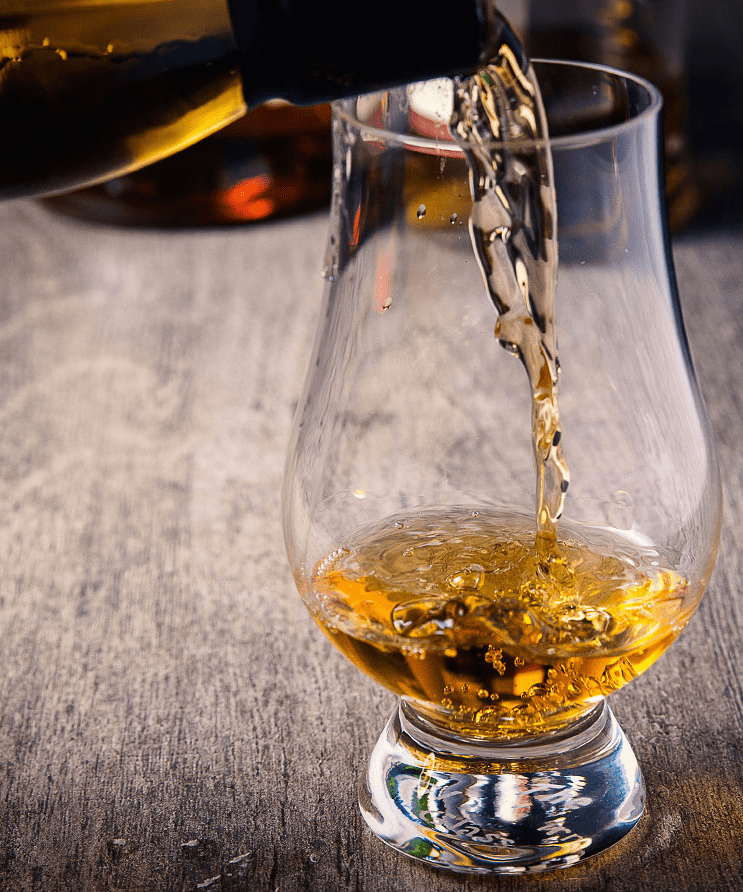
Photo credit: vinepair.com

I think everyone will agree that too much of anything can be bad for you.  It is argued that alcohol can be both a tonic and a poison. The difference seems to depend on the amount consumed. It is debated that moderate drinking can be good for the heart and circulatory system, and possibly protects against Type 2 diabetes and gallstones.

On the other hand, heavy drinking is a major cause of preventable death.  Heavy drinking can damage the liver and heart, harm an unborn child, increase the chances of developing some cancers, and can lead to depression amongst other things.

The active ingredient in alcohol, ethanol, affects the body in many ways. It directly influences the stomach, brain, heart, gallbladder, and liver. It affects the level of cholesterol, triglycerides and insulin in the blood, as well as causing inflammation and coagulation. It also alters mood, concentration, and coordination.

All the various studies base their research on what the researchers refer to as moderate alcohol consumption.  However, the definition of moderate consumption is not consistent throughout the scientific community.  In some studies, the term “moderate drinking” refers to less than 1 drink per day, while in others it means 3 to 4 drinks per day, a significant difference. Exactly what constitutes “a drink” also varies. In fact, even among alcohol researchers, there’s no universally accepted standard drink definition.  Many consider a drink as consisting of 1½ ounces of alcohol, but even then, the alcohol level by volume can vary from whiskey to whiskey.

Even moderate drinking is known to have some risks. Alcohol can disrupt sleep, as well as may interact in potentially dangerous ways with a variety of medications, including acetaminophen, antidepressants, anticonvulsants, painkillers and sedatives. It is also addictive, especially for people with a family history of alcoholism.

One serving of alcohol on average contains 100 to 150 calories, so even a moderate amount of 2 drinks a day can contribute 200 to 300 calories to your daily caloric intake. Mixed drinks that add juice, tonic, soft drinks or syrups will increase the calorie intake even further, increasing the risk of weight gain over time.

So what are the potential health benefits to be gained from whiskey or other forms of alcohol consumption?  To start with, there are more than 100 prospective studies that suggest an inverse association between light to moderate drinking and risk of heart attack, ischemic (clot-caused) stroke, peripheral vascular disease, sudden cardiac death and cardiovascular related death.  

Research indicates that there is a relationship between moderate drinking and lower risk of cardiovascular disease in both men and women. It applies to people who do not have heart disease, and also to those at high risk for having a heart attack or stroke or dying of cardiovascular disease, including those with Type 2 diabetes, high blood pressure and existing cardiovascular disease.

Moderate amounts of alcohol raise levels of the “good cholesterol”, high-density lipoprotein (HDL).  Higher levels of HDL are considered to provide greater protection against heart disease. Moderate alcohol consumption is also linked to better sensitivity to insulin and improvements in factors that influence blood clotting. Such changes would tend to prevent the formation of small blood clots that can block arteries in the heart, neck, and brain, the ultimate cause of many heart attacks and ischemic strokes.

Other claimed health benefits include helping to maintain body weight, using as an antibiotic on scrapes and cuts, protection against dementia, reduction of high levels of uric acid, which in turn lowers the frequency and risk of gout attacks, and lastly it is gluten free.

This is all well and good but there are some essential factors to keep in mind.  Having 7 drinks on a single day and then not drinking the rest of the week is not considered the same as having 1 drink a day. The weekly total may be the same, but the health implications are not.

The potential social and psychological benefits of alcohol cannot be easily quantified. A drink before a meal can improve digestion or offer a soothing reprieve at the end of a stressful day and an occasional drink with friends can be a social refresher.

There is one more caveat to add to this debate and that is, given the complexity of alcohol’s effects on the body and the complexity of the people who drink it, all-encompassing statements about the benefits of whiskey consumption cannot be made. Because each of us has unique personal and family histories, alcohol offers each of us a unique variety of benefits and risks.  So, are there health benefits to be gained from whiskey consumption?  Maybe.

Sláinte mhaith

Aging and Wine Vintage

Before I begin let’s be clear on what ‘vintage wines’ are. Vintage wines are wines that are produced from grapes harvested during a single growing season as opposed to non-vintage wines, which can be produced from grapes grown in two or more growing seasons.

Photo credit: stlukes-glenrothes.org

Vintage wines that are cellared go through ongoing chemical effects that will continue until a bottle is uncorked. These outcomes are the result of continuous interactions between the wine’s alcohol, sugar and acid compounds, which combine in the bottle to create new complex flavours, textures and aromas. However, these results are not random. Skilled winemakers understand the chemistry behind aging wine and will manipulate the cellar environment to encourage various flavours and aromas that result in an appealing good vintage.

During cellaring the varietal’s natural flavours do not significantly change. A wine’s primary flavours will always be preserved regardless of cellaring timelines. These flavours are a result of the grape varietal and the conditions the grapes grew in.

However, aging a vintage varietal will affect the secondary and tertiary flavours and aromas. Both notes result from the winemaker’s techniques as well as the chemical interactions between a wine’s natural compounds. These activities define an aging wine.

White wines, especially dry whites like Sauvignon Blanc or Chardonnay, tend to become oily, heavy and stickier over time. Red wines, particularly those with naturally high tannin levels such as Nebbiolo, Syrah or Cabernet Sauvignon, tend to soften with time. This creates sediment that collects at the bottom of a bottle. As a result, the wine becomes smoother and less sharp, resulting in a gentler drinking experience.

The final characteristic affected by aging wine is colour. To see if a red wine has been properly aged, first look at the outer edge where the poured wine meets the glass. At that meeting point, which is referred to as the rim, the wine will appear lighter in colour. A young red wine, on the other hand, will have a rim that appears murky or opaque.

As red wines oxidize with age, their colours often change to deep shades of ruby-purple to softened mauves and then finally to tawny, deep browns. As white wine ages it tends to move from paler, straw-yellow shades to deeper golden hues. White vintages aged three or more years can eventually darken to the point of turning a golden amber color.

These changes in colour are the result of oxidation. When a wine bottle is properly sealed the only oxygen in a bottle will be the small amount trapped in the bottle’s neck, as well as what little oxygen passes through the cork or seal. Most cellared red and white vintages will be sealed with a traditional cork, which allows minimal oxygen to permeate. However, given that cork is itself a natural non-uniform product, oxygen permeation will vary significantly even between bottles cellared and cased at the same time.

Not all wines are created with the ability to be aged. The wine maker’s notes are often a good indication of a wine’s aging capability. Red wines that generally age well include:

  • Bordeaux and Loire Valley Cabernet Franc, aged 2 to 4 years
  • Chianti Riserva, aged 2 to 4 years
  • Petite Syrah, aged 2 to 5 years
  • New World Nebbiolo, aged 2 to 6 years
  • Australian and Californian Grenache, aged 2 to 10 years
  • Italian or Californian Cabernet Sauvignons, aged 3 to 15 years
  • Italian Barolo, aged 3 to 15 years

White wines with aging capability include:

  • Dry White Bordeaux, aged 2 to 3 years
  • Alsace Pinot Gris, 2 to 5 years
  • White Rioja, aged 2 to 5 years
  • Alsace Gewürztraminer, aged 2 to 10 years
  • Californian Fume Blanc, aged 2 to 10 years
  • New Zealand Sauvignon Blanc, aged 3 to 10 years
  • Australian Chardonnay, 3 to 10 years
  • German Riesling, 3 to 15 years

These lists are only a suggested guideline, not an exclusive list.

Sláinte mhaith

Vintage versus Non-vintage Wine

On the surface, the difference between vintage and non-vintage wines is simple. Vintage wines are made from grapes harvested during a single growing season, while non-vintage wines can blend a few different harvests. Non-vintage wine, sometimes referred to as stylized wine, is where the winemaker often aims to match the flavour of the wine to be the same as previous years. On the other hand, vintage wines are based on the characteristics of the vineyard and climate. Due to climatic conditions, some years produce wines that are considered better than others.

Photo credit: vinepair.com

Finding a bottle’s vintage is relatively straightforward. Simply look for the year printed on the label of the bottle. This tells you when the grapes were grown and the wine produced was made. Wine labels containing the description “single vintage” indicate that the wine was produced exclusively from grapes from a single harvest. Depending on the producing country, that ratio must be comprised of 75% to 95% of same-crop grapes. As long as a producer abides by that percentage, they can label their bottle as vintage.

The vintage is an indication of the quality of the wine. The wine flavours, textures, mouthfeel, aroma and bouquets are fundamentally determined by the weather and climate conditions during its specific growing season. Since vintage tells you what year those grapes were grown, you are provided with an accurate distinction between “good” crop years yielding delicious, balanced wines from “bad” crop years hindered by poor weather.

Non-vintage wines are wines created by blending grapes from multiple crops. As a result, they will not have a year printed on the label or will simply have “N.V.” to denote the fact its contents are not from a single harvest. Non-vintage wine quality will vary, as with vintage wines. Many are raved about for their consistency and cost-consciousness and represent good value for more casual wine drinking.

Which is better? The answer depends on what you are looking for from your drinking experience. There are wonderful single vintages and non-vintages available. Non-vintages will offer more diversity and flexibility, particularly when it comes to blends combining several complementary grape varietals. In contrast, vintages provide the opportunity to discover a specific wine region, a micro-climate and even a winemaker’s bottling skills and expertise in ways non-vintages cannot.

Sláinte mhaith

Biodynamic Wine

While visiting a winery in the Beaujolais district of France a few weeks ago I was introduced to a new term. I was told that the winery I was visiting was a biodynamic winery. This was a description I had not heard before, so I decided to research the topic in more depth when I returned home from my trip.

You may be familiar with what organic farming entails (if not, see my post Organic Wine from August 8, 2020), however the biodynamic movement is somewhat different. According to the Biodynamic Farming and Gardening Association, biodynamics is “a spiritual-ethical-ecological approach to agriculture, gardens, food production and nutrition.” Biodynamic wine is made with a set of farming practices that views the vineyard as one solid organism. The ecosystem functions with each portion of the vineyard contributing to the next. Conceptually, everything in the universe is interconnected and gives off a resonance or ‘vibe’. This interconnectivity even includes celestial bodies like the moon, planets and stars. Biodynamic viticulture is the practice of balancing this resonance between vine, human, earth and stars. Biodynamics is a holistic view of agriculture.

As with organic farming, natural materials, soils, and composts are used to sustain the vineyard. Chemical fertilizers and pesticides are not permitted. A range of animals from ducks to horses to sheep live on the soil and fertilize it, creating a rich, fertile environment for the vines to grow in. Biodynamic farming also seeks sustainability, leaving the land in as good or better condition.

Biodynamic farming has been met with skepticism by many scientists as some of the practices are difficult at best to prove they work. In addition to organic practices, biodynamic farming takes other factors into account, such as the lunar calendar and astrology. This method of farming considers all aspects of life in the vineyard — other plants, insects and animals. It’s not just about the grapes.

Photo credit: winefolly.com

Farming practices from pruning to harvesting are controlled by the biodynamic calendar. It breaks all the tasks associated with farming into four types of days: root days, flower days, fruit days and leaf days. Each of these categories has certain tasks associated with it that are reflective of the earth’s four classical elements. Fruit days are meant for harvesting, leaf days for watering, root days for pruning. On flower days, nothing is done in the vineyard.

Biodynamic farming calls for specific and sometimes strange compost and field preparations. One of these is known as cow horn manure. Cow horns are stuffed with manure compost and buried into the ground all through the winter, then excavated the following spring. When excavated, the stuffed material is spread throughout the vineyard.

Biodynamic wines must be certified and adhere to strict rules and regulations. The wineries are overseen by 2 governing bodies, Demeter International and Biodyvin.

Biodynamic wines can be found in the United States, France, Germany, Spain, Italy, Eastern Europe, Chile, Argentina, India and Australia. Those who believe in the philosophy feel that the wines are more characteristic to the terroir where they originate. However, wine experts say there is no noticeable difference in the taste of biodynamic wine from organically produced wines. Is the difference worth the additional effort? You be the judge.

Sláinte mhaith