Pairing Potato Chips with Wine

Photo credit: localwineschool.com

You may have seen the ads suggesting that you snack on a bag of potato chips while indulging in a glass of wine. I initially found the thought laughable but then later came across an article published by Wine Enthusiast suggesting that wine and potato chip pairings are actually a thing. Investigating further I found some statistics suggesting that 50% of Canadians eat potato chips while watching TV and that 61% of Canadians have a glass of wine with their snacks at least once or twice a month.

Potato chips pair well with wine because of the salt and fat content of the chips. Following the basic principles for pairing food flavours with wine, the following combinations complement each other:

  • Original classic flavour chips with Champagne or other sparkling wine. The sparkling wine is great at offsetting the salt and fat of the potato chips.
  • Barbeque flavoured chips with Pinot Noir or Zinfandel wine. The chips have a sweet coating that goes well with one of these fruity, crisp reds. These same wines go well with ribs brushed with real BBQ sauce.
  • Salt and vinegar chips with Pinot Grigio or Sauvignon Blanc. The sharp and tangy vinegar on the chips needs to be balanced with a fresh bright wine.
  • Sour cream and onion chips with oaked Chardonnay. The sharp, tangy chips pair well with this buttery white wine as the tropical fruit flavours and acidity contrast with the saltiness of the chips.
  • Lime and black pepper flavoured chips with Sauvignon Blanc. The crisp bright tropical notes of the wine are a good balance for the lime and black pepper flavour of the chips.
  • Balsamic vinegar and onion flavour chips with Merlot. The Merlot offsets the tangy sweetness of the chips.

There are a variety of other flavours of chips available in the marketplace, but this will provide the basic idea for pairing your favourite potato chips with wine.

Sláinte mhaith
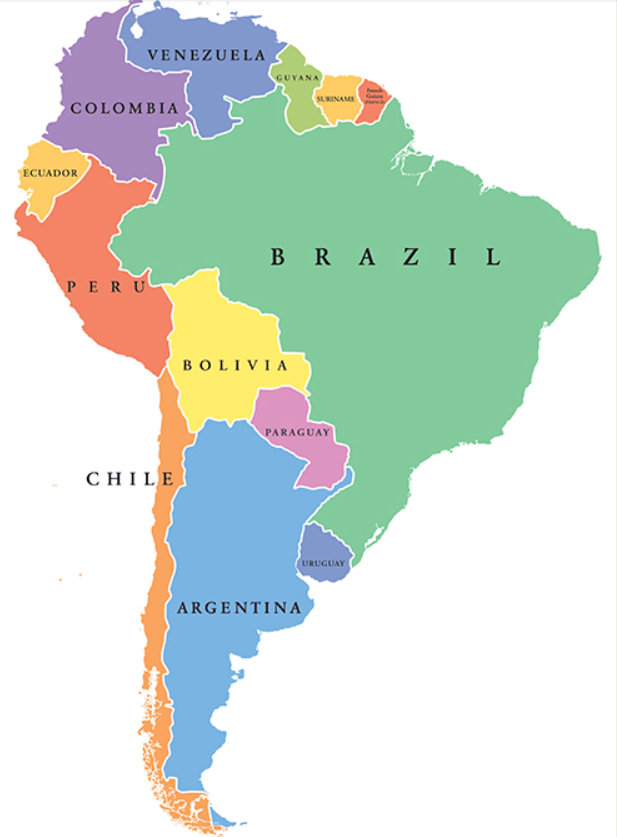
Peruvian Wine

It seems that many people are not aware that Peru produces a variety of quality wines. In fact, it is the oldest wine producing country in South America, ahead of the more familiar wine nations of Chile and Argentina.

Photo credit: heinens.com

Because of the early Spanish settlers, Peru has a strong Spanish influence. During the 16th century Spanish conquistadors planted grape varieties that came from the Canary Islands. The 17th and 18th centuries were the golden age of wine production with Peruvian wine being sold throughout South America.

Unfortunately, during the 19th century viticulture suffered as a result of earthquakes, volcanic eruptions and phylloxera, an insect pest of grapevines worldwide. There were also economic restrictions imposed by Spain resulting in growers refocusing and producing crops other than grapes.

Those vineyards that remained changed their focus from wine making to producing pisco. Pisco is a pale yellowish to amber coloured spirit. It is produced by distilling fermented grape juice into a high proof spirit. Alternatively, grapes were used to make Borgoña, which is a sweet wine made from Isabella hybrid grapes.

Today Peruvian winemakers are once again focused on producing fine wine. They have modernized their wineries and repurposed their vineyards with the help of international consultants.

Producers are following one of two different paths. One is to grow European grape varieties, notably Malbec, Cabernet Sauvignon, Syrah, Merlot, Tannat, Sauvignon Blanc and Chardonnay. The other choice is to raise heritage grapes that have historically been used to make pisco. These include Quebranta, Mollar, Negra Criolla, Torontel, Muscatel Negro del Perú, Albilla and Italia. Some of these have been around since viticulture first began in South America, while others were bred there.

Production of wines from heritage grapes is a way to differentiate Peruvian wines from the other South American counties. On the other hand, there is plenty of potential to produce unique expressions using international varieties such as Malbec, Syrah, Cabernet and Muscat.

Whether you select a Peruvian wine made with heritage grapes or European varieties, the taste experience is well worth the effort to find one of these treasures along your wine store shelves.

Sláinte mhaith

The Serving Temperature of Wine

Is taking the time to serve wine at the proper temperature worth the fuss? Absolutely! Temperature can significantly impact the way a wine smells and tastes. Cooler serving temperatures can suppress the aromatics of a wine and accentuate its structure, making the acidity more noticeable, but also enhancing the wine’s tannins and bitterness. Therefore, aromatic wines, such as Sauvignon Blanc, Riesling and Gamay benefit from being chilled. These wines have the necessary strength to persist through cold temperatures.

Photo credit: empirecool.com

On the other hand, wines having high levels of tannin, including many orange and red wines, are best served at a higher temperature as chilling them can make them unpleasant to drink.

Generally speaking, there is a range of proper serving temperatures for wine. Most red wines should be served at a temperature that is slightly cooler than room temperature, that is between 15 and 20°C. White wines should be served at a temperature slightly warmer than fridge temperature, that is 7 and 12°.

Below are some basic guidelines to follow when serving various types of wine.

Sparkling, Light-Bodied White Wines and Icewine – Serve ice cold between 3 and 10°C. This can be accomplished by placing the bottle -0n ice or in the freezer for about 30 minutes.

Full-Bodied White, Late Harvest and Rosé Wines – Remove from the fridge a few minutes prior to serving. Serve at a temperature between 7 and 12°C.

Light and Medium-Bodied Red Wines and Orange Wines – Serve at a temperature between 12 and 15°C.

Bold Red Wines – Place in fridge for about 20 minutes prior to serving. The temperature should be between 15 and 20°C.

Don’t be afraid to experiment on your own to find the temperature that best suits your palate. If you have never tried drinking wine at the recommended temperature, give it a try; otherwise you will never know the experience you may be missing.

Sláinte mhaith

Maritimes Adventure

During a recent trip to the maritime provinces of Canada, I made a point of seeking out local wines to try. The first I came across while in St. Andrews by the Sea, New Brunswick; the second I found in North Rustico, Prince Edward Island and two while in Nova Scotia.

The first wine my wife and I tried was a 2019 Marquette from the Magnetic Hill Winery of Moncton, New Brunswick. It was a light bodied red wine similar to a Pinot Noir. It had aromas of cherries, blackcurrants and blackberries. The wine was a pleasure to drink and reasonably priced at $20.00 CDN.

The Marquette varietal is the cousin of the Frontenac varietal, which is a well-known French North American hybrid, and a descendant of Pinot Noir. This wine pairs well with pub foods such as cheeseburgers, bangers (sausages) and mash and chili con carne.

The second wine we tried was a $21.99 CDN Gamay from Matos Winery & Vineyards of St. Catherines, PEI. Until then I was not aware that there is a winery on PEI.

Matos Winery & Vineyards is a family-owned and run business that was initiated in 2007.  They utilize the French concept of terroir whereby they found a location where the combination of soil, slope, sun exposure and the peculiar weather patterns allow certain grape varieties to thrive.  They consulted with European vintners who visited PEI to provide their skill and knowledge.

Their Gamay has won a bronze medal at the National Wine Awards in 2016, 2014, 2012 and silver in 2011.

The first wine from Nova Scotia that we tried was the 2022 Baco Noir from Blomidon Estate Winery, of the Annapolis Valley, near Canning.

The 2022 Baco Noir has a nose of bright berry fruit accentuated by vanilla and notes of spice. Unfortunately for us, we found the wine to be slightly harsh and not quite as smooth and mellow as we have become accustomed to for Baco Noir. The price of this wine is $23.00 CDN.

Given the structure of this wine it would be best suited for pairing with barbecued beef or pork.

Blomidon Estate produces 100% Nova Scotia grown grapes and wines. Over the years they have earned several national and international awards.

The 2nd wine from Nova Scotia we experienced was Founders’ Red from Jost Winery, which is made from a blend of Leon Millot and Marechal Foch grapes. We experienced this wine during a quiet afternoon at our B&B outside of Cap-Pelé, New Brunswick. Like the day, this wine was very smooth and mellow. It had wonderful fruit flavours and was well worth the $17.19 CDN we paid for it. 

Founders’ Red is a well-balanced blend of Nova Scotian-grown grapes with deep colour and intensity. This wine pairs well with barbequed meats and roasted pork.

Sláinte mhaith