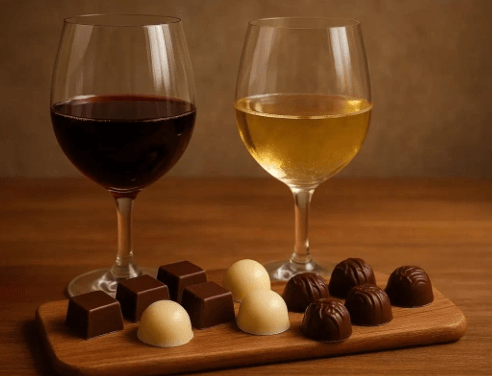
Wine with chocolate is a longtime favourite of mine. The question is, which wines go best with each type of chocolate?
Photo credit: dcwineandspirits.com
Some general guidelines include matching the wine’s intensity to the chocolate. A rich, dark chocolate needs a bolder wine than a gentle milk chocolate. Acidity in the wine can help cleanse the palate and prevent the chocolate from being too overpowering.
Wine that has been slightly chilled will help prevent any bitter overtones in chocolate. If the chocolate is sweeter than the wine, it will help reduce any bitter or sour notes that may be present in the wine.
When having dark chocolate, oak-aged red wines are a good choice. Such wines include Cabernet Sauvignon, Grenache, Barolo or a Bordeaux blend. Dessert wines such as Port, Sherry, Banyuls, a French fortified dessert wine, or Madeira, a fortified Portuguese wine, are also good options. The boldness of these wines goes well with the strong, often somewhat bitter flavours of dark chocolate.
Milk chocolate is complimented by fruity wines having less tannins such as Pinot Noir or Merlot. Sweet white wines like Gewürztraminer or Moscato d’Asti are also good choices. The sweetness of milk chocolate pairs well with these sweeter wines.
White chocolate and sweeter white wine are a good combination. White wine options include Riesling, Moscato d’Asti or a sweet Rosé. The sweetness and buttery notes of white chocolate are heightened by the sweetness and floral notes of these wines.
Most importantly, don’t be afraid to experiment with your own combinations and discover your personal favourites.
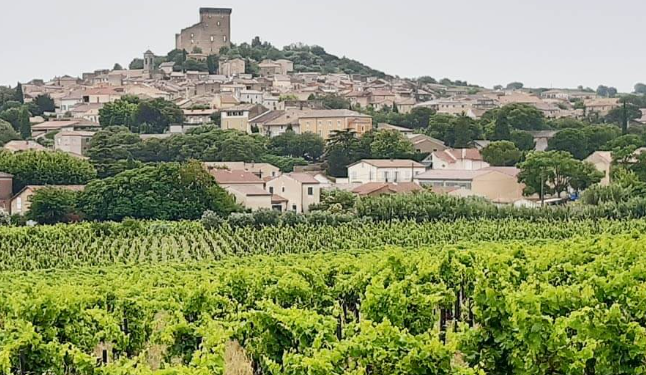
Following my visit to the Châteauneuf-du-Pape (pronounced Sha-too-nuff-doo-pap) district of France in 2024, I have paid more attention to these wines and have gained a better appreciation for them. It is an appellation known for its bold Grenache-based red blends. However, the region produces both red and white wines using as many as 13 different grape varietals.
The name Châteauneuf-du-Pape translates to “the Pope’s new castle,” referring to the Popes from Rome that lived in Avignon during the 14th century.
Of the eight red varietals planted, Grenache makes up about 80%, followed by Syrah, Mourvèdre and often lesser quantities of one or more of Cinsault, Muscardin, Counoise, Vaccarèse and Terret Noir. Thus, it is referred to as a GSM blend (Grenache, Syrah and Mourvèdre). Most Châteauneuf-du-Pape reds are produced with around 80% Grenache, although some wineries use 100% Grenache, bringing out a more robust, stronger flavour.
These grapes combine to create a medium-bodied, rich, spice-infused red wine. The reds are typically aged from 10 to 20 years, depending on the producer and the vintage. The flavours may include rich raspberry, strawberry and plum with notes of leather, game, and herbs such as sage, rosemary and lavender. The Grenache based reds wine tastes superb with heavier meats like lamb, beef, venison and duck.
Châteauneuf-du-Pape Blanc is not as common and not as easy to find because only about 7% of the region’s vineyards are white grapes. These wines are typically a blend of the region’s Grenache Blanc, Clairette, Bourboulenc and Roussanne grapes. Although not common, Picpoul and Picardin are also permitted. The white wines are generally aged for four to five years though some can be aged longer.
The better-quality whites contain plenty of tropical fruit and floral notes and have crisp underlying acidity. They are subtly powerful and strong in alcohol, averaging 14% or more. They go well served alongside fish, veal and poultry.
It is suggested that Châteauneuf-du-Pape wines be chilled to a temperature of 16 to 18 degrees Celsius and decanted about an hour before serving.
Don’t expect to find a 750 ml bottle of Châteauneuf-du-Pape for under $50 CDN but the character and flavour of these wines makes them well worth the price.
According to an Instagram post just before Christmas, coming soon is the new “Skye Chase Winery” where you can “Discover what’s happening at St Thomas’ new social experience. Exceptional wine, culinary delights and a lounge with breathtaking views. Explore the new Skye Chase Winery and all it has to offer.”
Being intrigued, I did some research and learned that Skye Chase Winery was previously the Quai Du Vin Estate Winery. The vines of Quai Du Vin, now Skye Chase, date back to the 1970s with the original winery operating since 1990. Therefore, the vineyards that Skye Chase has assumed are well established and mature. It appears the new owner, Kyle MacDonald, took over ownership of the winery in 2025.
According to their website, Skye Chase’s objective is to create a winery that will establish Southwest Ontario as one of Canada’s great wine regions. They refer to themselves as a terroir-forward vineyard, letting the grapes be a direct expression of the natural environment, including the weather, soil and mineral content. They feel that this will let them make the highest quality, most interesting wines.
The head winemaker is Jay Johnston, a graduate from Niagara College’s Viticulture & Winemaking program. He has previous winemaking experience with Jackson-Triggs, Le Clos Jordanne, Hidden Bench, and Flat Rock Cellars.
The Skye Chase team has expanded the vineyards and dedicated their winemaking skills to focus on varietals best suited for the region’s unique terroir and climate. Thus, their focus is on cool climate varietals. The whites include Pinot Gris, Sauvignon Blanc, Chardonnay and Riesling. The reds are Cabernet, Cabernet Franc and Pinot Noir.
They have revamped the “Fruit & the Vine” fruit wines with the new label “Wine’d Up Wine Company”. They claim, “It’s fruit wine done better, fresher, cleaner and ready for any occasion. Same flavour forward personality, just a whole new vibe.”
Skye Chase is looking to enhance the winery by constructing a new building that will feature a retail store, tasting room and Restobar.
Looking to enhance a quick, easy to prepare, dinnertime meal? Here is a combination of homemade and store-bought quick and easy-to-prepare meals and wines that will give your simple meal a boost of elegance.
First, it is important to pair light wines with light foods and rich wines with rich foods.
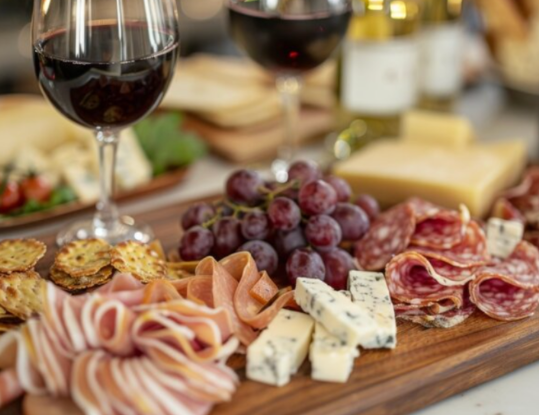
Photo credit: tierralunacellars.com
A cheese and charcuterie board requires no cooking. The salt, protein, and fat in the cheese and meats are a good match for wines with higher tannins such as oaked Chardonnay or a Cabernet Franc or Cabernet Sauvignon.
Bruschetta or fresh tomato appetizers such as a Caprese salad are complemented with red wines like Merlot or Zinfandel.
Smoked salmon on cucumber or crusty bread will go well with full-bodied white wines such as Chardonnay. The fat in the salmon will cut through the wine’s acidity.
Grilled vegetables or light fish are a good match for crisp, acidic white wines like Sauvignon Blanc or even a Rosé.
Salty foods like fried chicken will pair wonderfully with Champagne, Cava or Prosecco because their acidity and bubbles cut through the fat. Other good options include high-acid white wines such as Sauvignon Blanc or Riesling, as well as reds like Pinot Noir or Grenache.
Pairing wine with stir-fry depends on the dish’s dominant flavours; general recommendations include aromatic whites like Sauvignon Blanc or off-dry Riesling for vegetable or spicy dishes. Fruity reds like Pinot Noir are best suited for richer, meat-based stir-frys.
If your dinner menu is prepared by you or coming out of a package, try these combinations:
Pepperoni pizza bites or pizza pockets will go well with a medium bodied red like Sangiovese or Chianti Classico.
Vegetable or Ricotta Lasagna pair well with white wines with good acidity and medium body. Lightly oaked or unoaked Chardonnay, Sauvignon Blanc or Pinot Grigio will work well. If your lasagna is predominantly tomato-based, lighter-bodied reds are a good choice. Pinot Noir, Gamay, Beaujolais or Rosé are all good choices.
Wine pairings for burritos or enchiladas will depend on the level of spice. Spicy dishes pair well with slightly sweet or off-dry white wines like Riesling or Gewürztraminer or fruity, low-tannin reds like Gamay or Baco Noir. Tangy, acidic sauces like a green tomatillo salsa complement wines with higher acidity, such as Sauvignon Blanc or Albariño. Rich, hearty fillings, like beef, are a good match for robust red wines like Cabernet Sauvignon or Nebbiolo.
Sparkling wines, like Cava or Prosecco, are a versatile option, offering a palate-cleansing effect that works well with a range of flavors.
When having ramen, the wine is best matched to the spice and level of heat. For light, delicate broths (like Shoyu), opt for crisp whites like Pinot Grigio or Chablis. Richer broths (like Tonkotsu or Miso) pair well with more full-bodied wines like Alsatian Pinot Gris or a medium-bodied Chardonnay. Spicy ramen calls for off-dry wines like a slightly sweet Riesling or Rosé to cool the heat.
Rotisserie chicken pairs well with white wines that will offer a crisp balance to the richness of the meat and can highlight citrus or herbal notes. Chardonnay, Sauvignon Blanc or Pinot Gris are great options. Red wines such as Pinot Noir, Gamay or Grenache are good options for those who prefer red wine.
In the past I have explained about the benefits of decanting wine (“To Breathe or Not to Breathe” (November 9, 2019), “Choosing a Wine Decanter” (July 18, 2023), “Dos and Don’ts for Decanting Wine” (December 23, 2023), but I have never discussed how to tackle the task of how best to clean it after use. The various shapes and sizes can make it a very difficult undertaking without taking proper care.
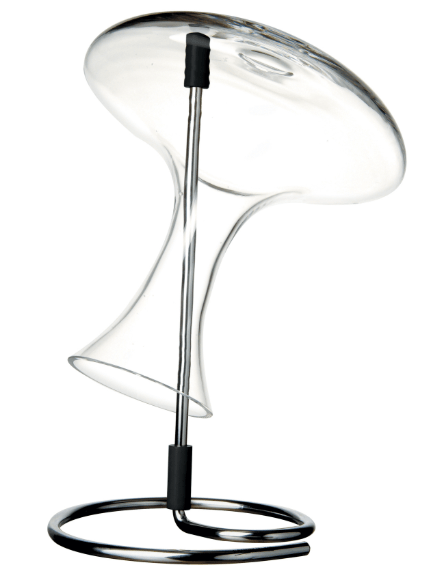
Begin the cleaning process by rinsing it with warm water immediately following use. This will help prevent wine stains from forming in the bottom of the decanter. A decanter brush is helpful in accessing deposits in any crevasses. After cleaning, rinse thoroughly with warm water, and for best results let it dry upside down on a rack, or better yet, a decanter drying stand. After it’s dry, polish with a microfiber cloth to remove any water spots.
However, should stubborn stains occur, there are several ways to remove them. Some will work better than others, depending on the shape of your decanter.
To begin, there are several options that consist of ingredients that you will probably already have in your pantry.
The first option is to use baking soda: Fill the decanter halfway with lukewarm water and add a spoonful of baking soda. Swirl and let it soak for at least 30 minutes before rinsing.
A second option is to use vinegar and coarse salt: Mix white wine vinegar with coarse salt and swirl it inside the decanter to break down stubborn stains. Another option using vinegar is to use it with rice instead of salt. In this case regular vinegar may be substituted for wine vinegar.
Another option is to use crushed ice and salt: Add crushed ice and a few tablespoons of coarse salt, then swirl vigorously to scrub the inside of the decanter.
If none of these options work you can purchase decanter cleaning beads: These are often sold in kitchen specialty shops, the housewares section of your local department store or on Amazon. To use, just add warm water and a few cleaning beads to the decanter and swirl gently. When done, rinse the beads for reuse.
Denture tablets may also work: Dissolve a denture tablet in warm water inside the decanter and let it soak for a few hours and then rinse.
Once the stain has been removed give the decanter a final wash and rinse: Swirl the cleaning solution around, then rinse the decanter multiple times with warm water to completely remove the cleaning agents. Then air dry and polish with a microfiber polishing cloth to remove any water spots and give the decanter a final polish.
There are a couple of things to avoid when cleaning your decanter. Never use dishwashing detergent, as it can leave a residue. Finally, avoid using boiling water as it may crack the glass.

 A Layman's Wine Musings