Elevate a Quick Meal with Wine

I am not much in the way of a cook and am certainly no chef, but when I do prepare a simple meal or more realistically, assist my wife in doing so, I love to add some wine, both as a cooking ingredient and enjoying while preparing the meal and serving alongside the meal.
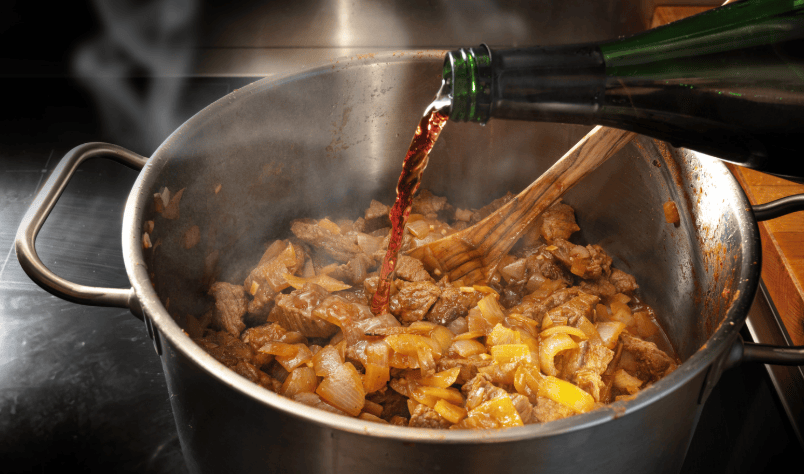
Photo credit: storage.googleapis.com

When cooking with wine you still need to pair it with your food in the same manner as you would pair wine you serve with your meal. Besides, there is a good chance you will have sufficient wine left over from cooking to enjoy with your dinner.  For example, pair a light-coloured wine with lighter meats like fish or chicken, and a robust red with beef or lamb.

Wine can also be a great cooking substitute. For example, a splash of white wine can sometimes substitute for acidic ingredients such as lemon juice or vinegar.

When adding wine as part of the cooking process, be sure to add it early. This will allow the alcohol to cook off and flavours to meld.

Here are some quick and easy ways to include wine:

After browning meat or vegetables in a pan, you can deglaze the pan by adding a splash of wine. Scrape the bottom to lift the flavourful browned bits and then continue with your recipe.

For quick sauces, like pasta sauce, add 1-2 tablespoons of wine per cup of sauce to the pan. Let it simmer for at least 10 minutes before tasting and adding more if desired.

For a final flavour enhancement, add a small amount of wine just before serving, but be aware that the alcohol may not completely cook off.

One ingenious idea I came across is to freeze leftover wine in an ice cube tray. Then you will always have wine available to add as a flavour boost whenever it is required.

One thing that I recommend you always do is cook with the same wine that you would drink. Don’t substitute cheap and cheery wine when cooking. Use the same quality of wine in your pot or pan as you would in your goblet or glass. As the saying goes, “Life is too short to have bad wine.”

Sláinte mhaith
How Long Will Wine Keep?

When you open a bottle of wine but don’t immediately consume it all, how long will that open bottle of wine keep? The answer is, “it depends”.

Photo credit:crushmag-online.com

When a bottle of wine is opened, it is fully exposed to a massive amount of oxygen, tremendously speeding up the micro-oxygenation process which will ultimately cause the wine to break down and lose its flavour. Even though wine that is past its prime may taste a little flat or stale, it’s not actually unsafe to consume. If it tastes okay, feel free to drink it. Spoiled wine is essentially vinegar so even though it won’t taste great it won’t hurt you.

To maximize the storage time of an open bottle of wine, make sure the wine is kept as airtight as possible by reinserting the cork or relacing the screw cap immediately following each use. It is also best to store an open bottle of wine upright to minimize the portion of the wine being exposed to the air in the bottle. You can also purchase a vacuum pump and stopper that will remove much of the oxygen from the open bottle. All opened wine, whether white, red or sparkling, should be stored in the refrigerator. Fortified wines can be stored either in the refrigerator or in a cool, dry place.

Sparkling wines like Champagne, Cava and Prosecco have the shortest lifespan after opening. Once opened, the bottle pressure that retains the bubbles dissipates and the wine goes flat. A sparkling wine stopper might help for a day or so, but it is best to drink sparkling wine the day it is opened.

High-acidity white wines, such as Pinot Gris, Riesling, Pinot Grigio or Sauvignon Blanc will last at least five days in the refrigerator after opening. Lower-acid whites, such as Chardonnay, Grenache Blanc, Viognier, Gewürztraminer, Semillon and Muscat can keep three to four days. If you transfer a higher-acid wine to an airtight container such as a Mason jar, before refrigerating it, you can enjoy it for up to a week after it is opened.

High-tannin red wines will keep for up to five days. These wines include Cabernet Sauvignon, Nebbiolo, Syrah/Shiraz and Malbec. Low-tannin reds include Pinot Noir, Baco Noir, Gamay and Sangiovese. They will lose their flavour after two or three days.

The length of time for Rosé to be kept is dependent on the grape varietal that it is made from (all Rosé is made from red grapes), the region the wine comes from and the style in which it is made. On average, Rosé wines will last three to five days after opening when stored in the refrigerator.

Fortified wines have a much higher alcohol content because of the addition of a distilled spirit, such as brandy. Because of the inclusion of the spirit, fortified wines can last up to four weeks after opening if stored in a cool and dry environment. You do not have to refrigerate fortified wines, but it can help preserve them for longer. These wines include Sherry, Vermouth, Port, Madeira and Marsala.

The exception to the rules is bag-in-a-box wines. I won’t comment on the quality of these wines, but they will last for up to a month after they have been opened.  Note, though, that boxed wines carry an expiration date on the carton which needs to be followed.

Sláinte mhaith

Cabernet Sauvignon

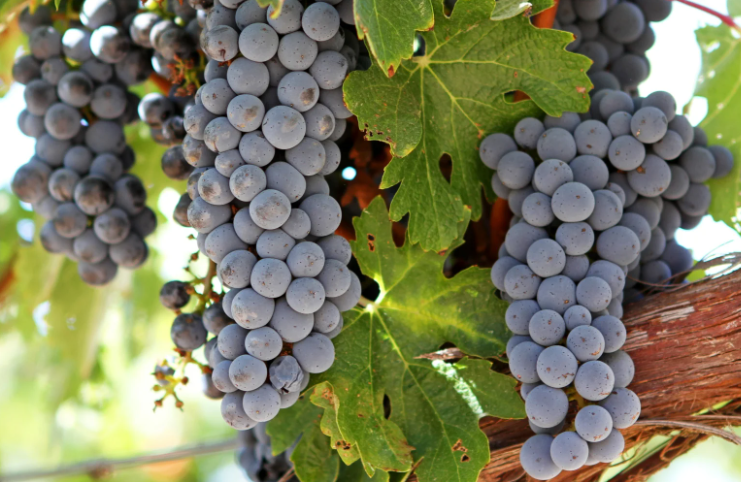
It is claimed that Cabernet Sauvignon is the most popular wine in the world. It is famous for its dry, bold, powerful flavour, medium acidity and rich fruit flavours. Cabernet Sauvignon has high tannins, which combined with thick skins, gives it great ageing potential.

Photo credit: wine-searcher.com

Cabernet Sauvignon originated in the Bordeaux region of France. There, it is usually blended with other varieties such as Merlot, Cabernet Franc, Petit Verdot and Malbec to create Bordeaux Wine. Today Cabernet Sauvignon is grown in many wine regions around the world, including Australia, South Africa, Chile, Spain, the U.S. and Canada.

The flavours and aromas vary depending on which region the Cabernet Sauvignon comes from. However, there are some characteristics that are consistent across all regions. It will always have intense, dark fruit flavours such as blackcurrant and cherry, as well as notes of baking spices. Some Cabernet Sauvignons are fruity, while others are savory and smoky. It will depend on where the Cabernet Sauvignon is grown and how the wine is made. For example:

  • Cabernet Sauvignon from Bordeaux, France will contain flavours and notes of blackcurrant, anise, tobacco leaf, plum sauce and pencil lead.
  • Australian wines will have notes of black plum, white pepper, chocolate and bay leaf.
  • Chilean Cabernet Sauvignon will have hints of blackberry, black cherry, fig, baking spices and green peppercorn.

With its intense rich flavours, Cabernet Sauvignon will pair well with steaks, burgers, strong cheeses and dark chocolate desserts.

It is up to you to decide which part of the world produces the Cabernet Sauvignon best suited to your taste. Personally, both the traditional Bordeaux wines and Australia’s Cabernet Sauvignons have had the most appeal to me. Unfortunately, even though Cabernet Sauvignon is grown in Canada, the growing season in this northern climate is not long enough to allow the grapes to achieve their full flavour potential.

Sláinte mhaith

Shades of White Wine

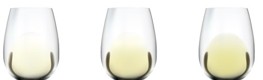
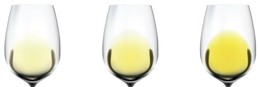
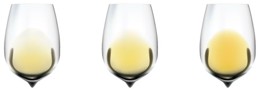
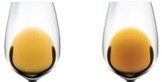
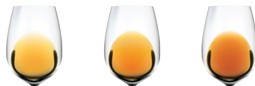
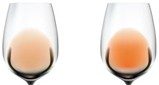
Recognizing the colour of your wine will help you to recognize the type and its intensity before you taste it. This technique is a critical element if conducting a blind tasting. It helps you to determine a wine’s quality and vintage. The listing below provides a standardized list of colours and shades for various white wines.

When assessing the colour of your wine it is best to examine it in bright, diffused, natural light with a white background. The colour is best viewed at the point where the wine meets the glass.

Straw

Pale – Vinko Verde, Muscadet, Verdejo

Medium – Young Riesling, Torrontés, Moscato

Deep – Albariño, Verdicchio

Yellow

Pale – Albariño, Grϋner Veltliner,

Medium – Sauvignon Blanc. Sémillon, Vermentino

Deep – Sauternes, Aged Riesling

Gold

Pale – Chenin Blanc, Pinot Gris

Medium – Viognier, Verdejo

Deep – Chardonnay, Aged White Rioja

Brown

Pale – Aged Whites

Medium -White Tawny Port

Amber

Pale – White Port

Medium – Tokaji, Vin Santo

Deep – Vin Santo

Copper

Pale – Pinot Gris

Medium – Pinot Gris

Salmon

Pale – White Zinfandel

Sláinte mhaith