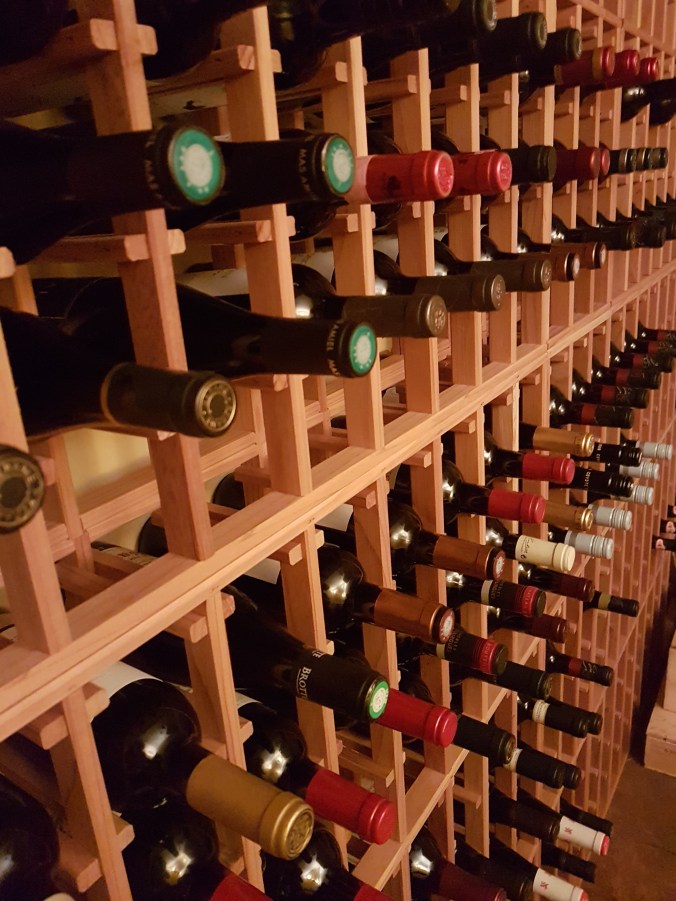
What Wine and a Wine Cellar Is to Me

I have been asked by many people over the years how or why I have become a wine enthusiast. I was raised in a home where wine was sometimes drunk on special occasions or holidays, but it was never highlighted in any special way.

My interest in wine was not peaked until I had the opportunity of attending a presentation at a work conference twenty some years ago hosted by a Niagara-based wine steward. The information he presented, combined with his enthusiasm and passion for wine, I found contagious. Since the I have been hooked.

To me, wine making is a craft that not just anybody can master. It is a combination of both science and art. Those winemakers with the artistic flair, imagination and courage to push the limits of their capabilities, become extraordinary in their field.

My wine cellar means many things to me. It is a travelog containing highlights from my adventures to various wine regions at home and abroad. I have had creations from Austria, France, Croatia, Germany, Hungary, Italy, Switzerland and of course, the wine regions of Canada from Nova Scotia to British Columbia. Whenever I pop a cork or twist a cap my travel memories come flooding back. I am reminded of the landscapes, the people and their culture and of course the cuisine.

Ten, fifteen, twenty or more years in a properly stored cellar, safeguarded from heat, light and odors, can turn the right bottle of wine into something wonderful, revealing its layers and complexity. On top of this, the wine becomes a shared experience that has developed over time.

For me, wine is often also associated with special events and occasions. I always make a point of selecting a certain wine that I feel is well matched to the occasion, whether it’s a family member or close friend’s birthday or anniversary or something else that is significant in someone’s life.

I admit that not every bottle in my cellar is destined to greatness. Like everyone, there are bottles that only serve to provide me with a casual drink at the end of the day or those that will be paired to turn an average meal into something a little more special.

I also get much satisfaction when I come across an average bottle of wine, that with some time and nurturing in the cellar, will transform into something special when the time comes to release it from its confines.

Wine collecting isn’t about building and stocking a cellar. The cellar only acts as a vehicle to allow something natural to progress over time and then be shared with the people you most care about.

Sláinte mhaith
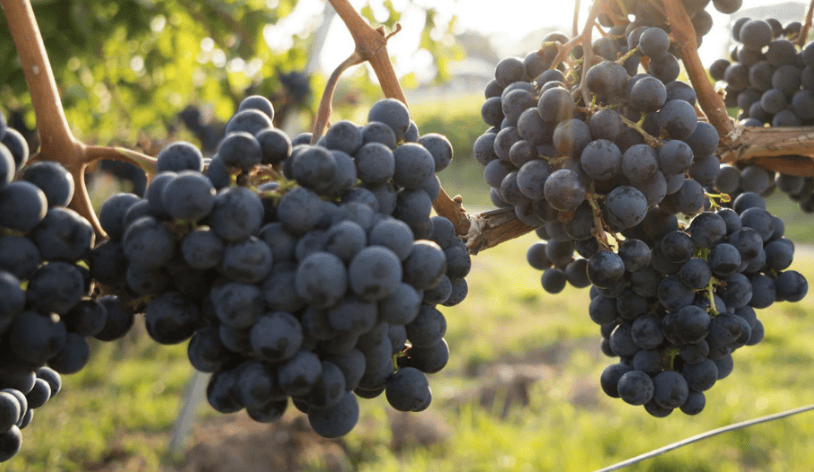
Tempranillo

Photo credit: vinerra.com

Tempranillo grapes are the fourth most planted grape in the world. It is also the most cultivated red grape in Spain, its country of origin, where it is often used as the base for the Rioja blends of wines. Tempranillo is also grown in Portugal, where it’s called Tinta Roriz. There it is used to make Port. Tempranillo is also cultivated in Argentina, Chile, the southern parts of Australia, southern France, the United States and Mexico.

Tempranillo produces medium to full-bodied wines that are ruby in colour, which become more garnet as the wine ages. It contains a medium to high level of tannins and a medium to high level of acidity, along with an alcohol level by volume of 13.5% to 15%. If you are a wine collector or like to cellar wines, it’s worth noting that a well-made Tempranillo can be aged for up to twenty years.

Tempranillo is characterized by notes of strawberry, raspberry, cherry and dried fig. As it ages it will develop hints of leather and tobacco. The finish is generally long and smooth.

Top-level Tempranillo wines are usually aged in French or American oak for a minimum of twelve months. While the body is not as rich as Cabernet Sauvignon, Tempranillo is a very complex wine containing lots of flavours right through to the finish.

Younger varieties will pair well with tomato dishes or baked pasta.  Bolder aged varieties with complement steak, gourmet burgers or rack of lamb.

Sláinte mhaith

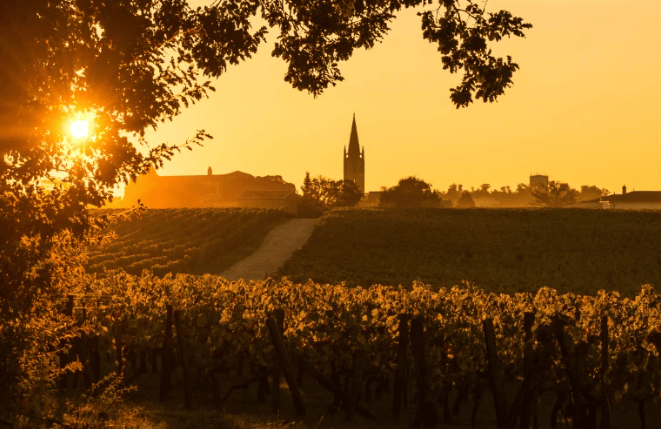
The Declining Bordeaux Wine Region

Photo credit: wine-intelligence.com

Fifteen or twenty years ago the world was having a love affair with Bordeaux wine. Wine enthusiasts couldn’t seem to get enough. This resulted in prices skyrocketing and even mediocre wines were able to command top dollar.

That has now all changed. Over the past few years, Bordeaux’s wine sales have been, and continue to be in vast decline. This is resulting in Bordeaux undergoing the most extensive structural shift that it has experienced in decades. Overall wine consumption in France is declining. The market for low-priced generic red Bordeaux has weakened resulting in stockpiling of unsold wine. As a result, approximately one in three growers is experiencing significant financial pressure.

As a result, almost 30,000 hectares of vines have been destroyed since 2023. Land prices are declining as the region’s wine crisis grows. Wine sales have fallen below the symbolic threshold of three million hectolitres for the first time in modern history. In the twelve months ending at the end of March this year, sales dropped to 2.98 million hectolitres, down 12% from the previous year.

Some regions have faired better than others, with the more prestigious regions suffering the least. From 2018 to 2025 land prices fell by 23% in in Pauillac, 27% in Margaux and 26% in Saint-Émilion. Elsewhere the effects have been much worse. Land values in Lalande-de-Pomerol have almost halved, falling 46% since 2018, Fronsac declined 50%, Bordeaux Blanc fell 52% and Bordeaux Rouge dropped almost 61%. Some of the abrupt adjustments have come in appellations already under economic pressure. Médoc vineyard land has fallen 82%, and Saint-Émilion Satellites recorded a 74% decline.

In addition to this, Bordeaux producers are contending with a succession of climatic challenges. French vineyards have endured repeated heatwaves, drought, frost and hail in recent years. Temperatures in June this year rose as high as 44°C in parts of the country. Extended heat is lowering yields, affected the grape quality and increased production costs at a time when many growers are already under critical financial pressure.

The worsening crisis has resulted in discontentment among small and mid-sized vintners, which have led to protests and a call for structural changes to the rules for producing both grapes and wine. The Interprofessional Council of Bordeaux Wine (CIVB) believes that a reduction in the size of the grape harvest could lessen the overproduction problem, thus reducing stock and possibly increasing bulk wine prices. While this could possibly provide relief to producers, it does not resolve the larger issues affecting Bordeaux’s smaller producers.

While lower production levels may help stabilize the wine market and improve pricing, external pressures from international trade policies may negatively impact recovery efforts. The coming months will be critical in determining whether the adjustment to reduce Bordeaux’s wine production will strengthen the market or result in still further decline. However, producers feel it is a risk worth taking. Time will tell.

Sláinte mhaith

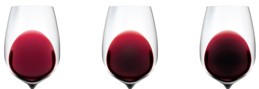
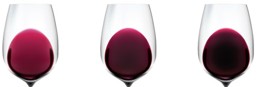
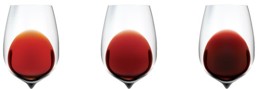
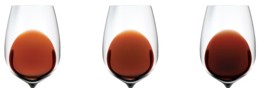
Shades of Red Wine

The colour of red wine is affected by several factors. The most obvious one is the grape varietal or percentage of a blend contained within the wine. However, less obvious factors, such as the acidity level, are also important. Red wines with lower pH levels (more acidic) tend to have a robust red colour while those with higher pH levels (less acidic) appear to be more blue or purple.

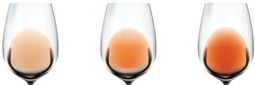
Amber

Deep – Old Tawny Port

Copper

Pale – Tawny Port, Provence Rosé

Medium – Pinot Noir Rosé

Deep – Tibouren Rosé

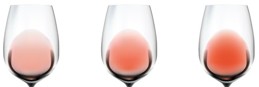
Salmon

Pale – Provence Rosé

Medium – Sangiovese Rosé

Deep – Syrah Rosé

Pink

Pale – Mourvèdre Rosé

Medium -Grenache Rosé

Deep – Tavel

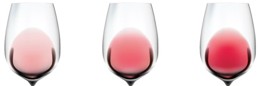
Ruby

Pale – Pinot Noir

Medium – Tempranillo, Grenache, Syrah and Mourvèdre (GSM) Blend

Deep – Merlot, Cabernet Sauvignon, Tannat

Purple

Pale – Beaujolais Nouveau. Valpolicella

Medium – Malbec, Syrah, Teroldego

Deep – Alicante Bouschet, Pinotage

Garnet

Pale – Nebbiolo

Medium – Aged Reds

Deep – Aged Amarone, Barolo

Tawny

Pale – Tawny Port, Aged Nebbiolo

Medium – Aged Sangiovese, Boal Madeira

Deep – Aged Reds

Sláinte mhaith