Châteauneuf-du-Pape

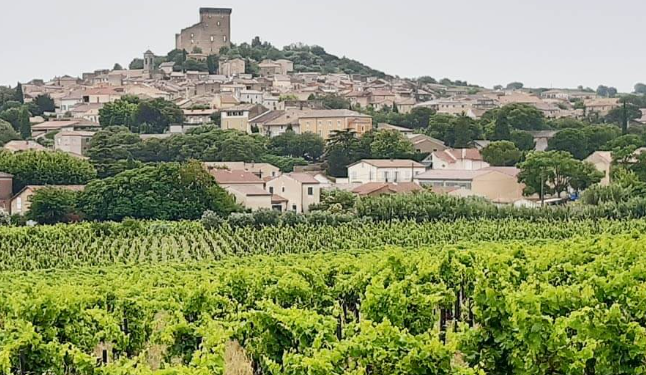
Photo credit: travelfrancebucketlist.com

Following my visit to the Châteauneuf-du-Pape (pronounced Sha-too-nuff-doo-pap) district of France in 2024, I have paid more attention to these wines and have gained a better appreciation for them. It is an appellation known for its bold Grenache-based red blends. However, the region produces both red and white wines using as many as 13 different grape varietals.

The name Châteauneuf-du-Pape translates to “the Pope’s new castle,” referring to the Popes from Rome that lived in Avignon during the 14th century.

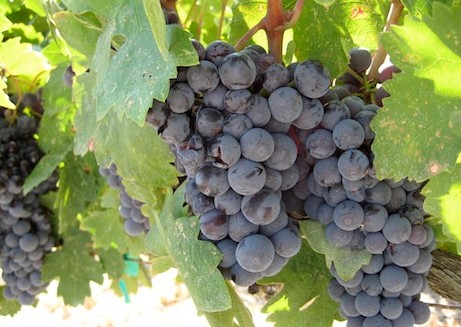
Of the eight red varietals planted, Grenache makes up about 80%, followed by Syrah, Mourvèdre and often lesser quantities of one or more of Cinsault, Muscardin, Counoise, Vaccarèse and Terret Noir. Thus, it is referred to as a GSM blend (Grenache, Syrah and Mourvèdre). Most Châteauneuf-du-Pape reds are produced with around 80% Grenache, although some wineries use 100% Grenache, bringing out a more robust, stronger flavour.

These grapes combine to create a medium-bodied, rich, spice-infused red wine. The reds are typically aged from 10 to 20 years, depending on the producer and the vintage. The flavours may include rich raspberry, strawberry and plum with notes of leather, game, and herbs such as sage, rosemary and lavender. The Grenache based reds wine tastes superb with heavier meats like lamb, beef, venison and duck.

Châteauneuf-du-Pape Blanc is not as common and not as easy to find because only about 7% of the region’s vineyards are white grapes. These wines are typically a blend of the region’s Grenache Blanc, Clairette, Bourboulenc and Roussanne grapes. Although not common, Picpoul and Picardin are also permitted. The white wines are generally aged for four to five years though some can be aged longer.

The better-quality whites contain plenty of tropical fruit and floral notes and have crisp underlying acidity. They are subtly powerful and strong in alcohol, averaging 14% or more. They go well served alongside fish, veal and poultry.

It is suggested that Châteauneuf-du-Pape wines be chilled to a temperature of 16 to 18 degrees Celsius and decanted about an hour before serving.

Don’t expect to find a 750 ml bottle of Châteauneuf-du-Pape for under $50 CDN but the character and flavour of these wines makes them well worth the price.

Sláinte mhaith

A New Ontario Winery

According to an Instagram post just before Christmas, coming soon is the new “Skye Chase Winery” where you can “Discover what’s happening at St Thomas’ new social experience. Exceptional wine, culinary delights and a lounge with breathtaking views. Explore the new Skye Chase Winery and all it has to offer.”

Being intrigued, I did some research and learned that Skye Chase Winery was previously the Quai Du Vin Estate Winery. The vines of Quai Du Vin, now Skye Chase, date back to the 1970s with the original winery operating since 1990. Therefore, the vineyards that Skye Chase has assumed are well established and mature. It appears the new owner, Kyle MacDonald, took over ownership of the winery in 2025.

According to their website, Skye Chase’s objective is to create a winery that will establish Southwest Ontario as one of Canada’s great wine regions. They refer to themselves as a terroir-forward vineyard, letting the grapes be a direct expression of the natural environment, including the weather, soil and mineral content. They feel that this will let them make the highest quality, most interesting wines.

The head winemaker is Jay Johnston, a graduate from Niagara College’s Viticulture & Winemaking program. He has previous winemaking experience with Jackson-Triggs, Le Clos Jordanne, Hidden Bench, and Flat Rock Cellars.

The Skye Chase team has expanded the vineyards and dedicated their winemaking skills to focus on varietals best suited for the region’s unique terroir and climate. Thus, their focus is on cool climate varietals. The whites include Pinot Gris, Sauvignon Blanc, Chardonnay and Riesling. The reds are Cabernet, Cabernet Franc and Pinot Noir.

They have revamped the “Fruit & the Vine” fruit wines with the new label “Wine’d Up Wine Company”. They claim, “It’s fruit wine done better, fresher, cleaner and ready for any occasion. Same flavour forward personality, just a whole new vibe.”

Skye Chase is looking to enhance the winery by constructing a new building that will feature a retail store, tasting room and Restobar.

Best of luck to the new Skye Chase Winery.

Sláinte mhaith

Wine with a Quick Meal

Looking to enhance a quick, easy to prepare, dinnertime meal? Here is a combination of homemade and store-bought quick and easy-to-prepare meals and wines that will give your simple meal a boost of elegance.

First, it is important to pair light wines with light foods and rich wines with rich foods.

Photo credit: tierralunacellars.com

A cheese and charcuterie board requires no cooking. The salt, protein, and fat in the cheese and meats are a good match for wines with higher tannins such as oaked Chardonnay or a Cabernet Franc or Cabernet Sauvignon.

Bruschetta or fresh tomato appetizers such as a Caprese salad are complemented with red wines like Merlot or Zinfandel.

Smoked salmon on cucumber or crusty bread will go well with full-bodied white wines such as Chardonnay. The fat in the salmon will cut through the wine’s acidity.

Grilled vegetables or light fish are a good match for crisp, acidic white wines like Sauvignon Blanc or even a Rosé.

Salty foods like fried chicken will pair wonderfully with Champagne, Cava or Prosecco because their acidity and bubbles cut through the fat. Other good options include high-acid white wines such as Sauvignon Blanc or Riesling, as well as reds like Pinot Noir or Grenache.

Pairing wine with stir-fry depends on the dish’s dominant flavours; general recommendations include aromatic whites like Sauvignon Blanc or off-dry Riesling for vegetable or spicy dishes. Fruity reds like Pinot Noir are best suited for richer, meat-based stir-frys.

If your dinner menu is prepared by you or coming out of a package, try these combinations:

Pepperoni pizza bites or pizza pockets will go well with a medium bodied red like Sangiovese or Chianti Classico.

Vegetable or Ricotta Lasagna pair well with white wines with good acidity and medium body. Lightly oaked or unoaked Chardonnay, Sauvignon Blanc or Pinot Grigio will work well. If your lasagna is predominantly tomato-based, lighter-bodied reds are a good choice. Pinot Noir, Gamay, Beaujolais or Rosé are all good choices.

Wine pairings for burritos or enchiladas will depend on the level of spice. Spicy dishes pair well with slightly sweet or off-dry white wines like Riesling or Gewürztraminer or fruity, low-tannin reds like Gamay or Baco Noir. Tangy, acidic sauces like a green tomatillo salsa complement wines with higher acidity, such as Sauvignon Blanc or Albariño. Rich, hearty fillings, like beef, are a good match for robust red wines like Cabernet Sauvignon or Nebbiolo.

Sparkling wines, like Cava or Prosecco, are a versatile option, offering a palate-cleansing effect that works well with a range of flavors.

When having ramen, the wine is best matched to the spice and level of heat. For light, delicate broths (like Shoyu), opt for crisp whites like Pinot Grigio or Chablis. Richer broths (like Tonkotsu or Miso) pair well with more full-bodied wines like Alsatian Pinot Gris or a medium-bodied Chardonnay. Spicy ramen calls for off-dry wines like a slightly sweet Riesling or Rosé to cool the heat.

Rotisserie chicken pairs well with white wines that will offer a crisp balance to the richness of the meat and can highlight citrus or herbal notes. Chardonnay, Sauvignon Blanc or Pinot Gris are great options. Red wines such as Pinot Noir, Gamay or Grenache are good options for those who prefer red wine.

Bon Appetit!

Sláinte mhaith

Cleaning a Decanter

Photo credit: atelierduvin.com

In the past I have explained about the benefits of decanting wine (“To Breathe or Not to Breathe” (November 9, 2019), “Choosing a Wine Decanter” (July 18, 2023), “Dos and Don’ts for Decanting Wine” (December 23, 2023), but I have never discussed how to tackle the task of how best to clean it after use. The various shapes and sizes can make it a very difficult undertaking without taking proper care.

Begin the cleaning process by rinsing it with warm water immediately following use. This will help prevent wine stains from forming in the bottom of the decanter. A decanter brush is helpful in accessing deposits in any crevasses. After cleaning, rinse thoroughly with warm water, and for best results let it dry upside down on a rack, or better yet, a decanter drying stand. After it’s dry, polish with a microfiber cloth to remove any water spots.

However, should stubborn stains occur, there are several ways to remove them. Some will work better than others, depending on the shape of your decanter.

To begin, there are several options that consist of ingredients that you will probably already have in your pantry.

The first option is to use baking soda: Fill the decanter halfway with lukewarm water and add a spoonful of baking soda. Swirl and let it soak for at least 30 minutes before rinsing.

A second option is to use vinegar and coarse salt: Mix white wine vinegar with coarse salt and swirl it inside the decanter to break down stubborn stains. Another option using vinegar is to use it with rice instead of salt. In this case regular vinegar may be substituted for wine vinegar.

Another option is to use crushed ice and salt: Add crushed ice and a few tablespoons of coarse salt, then swirl vigorously to scrub the inside of the decanter.

If none of these options work you can purchase decanter cleaning beads: These are often sold in kitchen specialty shops, the housewares section of your local department store or on Amazon. To use, just add warm water and a few cleaning beads to the decanter and swirl gently. When done, rinse the beads for reuse.

Denture tablets may also work: Dissolve a denture tablet in warm water inside the decanter and let it soak for a few hours and then rinse.

Once the stain has been removed give the decanter a final wash and rinse: Swirl the cleaning solution around, then rinse the decanter multiple times with warm water to completely remove the cleaning agents. Then air dry and polish with a microfiber polishing cloth to remove any water spots and give the decanter a final polish.

There are a couple of things to avoid when cleaning your decanter. Never use dishwashing detergent, as it can leave a residue. Finally, avoid using boiling water as it may crack the glass.

Sláinte mhaith

British Columbia’s Movers and Shakers for 2025

This week I present my annual list of British Columbia wineries that most impressed me this year. This is not to suggest that these are the only great wineries in the province but simply those that attracted my attention this year.  The list varies in length from year to year as I like to focus on achievements rather than listing a specific number of wineries. The wineries are presented alphabetically as follows:

Laughing Stock Vineyards

Laughing Stock was recognized as the Best Performing Small Winery of the Year at this year’s National Wine Awards where they earned 2 Platinum, 3 Gold, 1 Silver and 2 Bronze medals. The winemaking team is led by winemaker Sandy Leier.

They aim to continually improve their wines and have been exploring a variety of fermentation vehicles over the past few years, including temperature regulated stainless tanks and the addition of eight concrete eggs. Six clay Amphorae have been acquired from Italy, in which a variety of limited production wines are produced. Complexity is added to the red wines through an extended barrel-aging program using 100% French oak in both standard barrel sizes and 500 liter puncheons.

Laughing Stock has 2 separate vineyards:

  • Naramata Bench Vineyard – The estate winery vineyard is home to all the Bordeaux grape varieties (Merlot, Cabernet Sauvignon, Cabernet Franc, Malbec & Petit Verdot) that are included in their flagship wine, Portfolio.
  • Perfect Hedge Vineyard – Osoyoos – Since acquiring this 22-acre vineyard in 2007, it has become home to Bordeaux varieties (Merlot, Malbec & Cabernet Sauvignon) as well as Viognier and Syrah

This is Laughing Stock’s first appearance on the Movers and Shakers list.

Meyer Family Vineyards (2021, 2024

This is Meyers Family Vineyards third time on the Movers and Shakers List, having appeared previously in 2024 and 2021.

Meyer aims to produce the finest quality wines in the traditions of the Burgundy region of France. The grapes are hand-harvested, with great attention to detail and minimal winemaking intervention. The wines are produced from three main vineyards: the 6.9-hectare McLean Creek Road Vineyard in Okanagan Falls; the 1.62-hectare Old Main Road Vineyard on the Naramata Bench; and the 1.5-hectare Lakehill Road Vineyard in Kaleden. They also work with passionate quality-minded growers in Naramata and Osoyoos area to round out their portfolio of terroir-driven wines.

Winemaker Chris Carson’s philosophy is to care for the grape on the vine and maintain as much as possible a hands-off approach in the cellar to allow the true expression of the terroir. Each wine reflects the single vineyard of its origin, the soil, the climate and the slope.

The three main vineyards are:

  • McLean Creek Road Vineyard Okanagan Falls – This is the home vineyard. The vineyard was originally planted in 1994. Varietals grown include Chardonnay, Pinot Noir and Gewurztraminer.
  • Old Main Road Vineyard Naramata Bench – This vineyard was originally planted in 1996 with 100% Chardonnay vines which is still the case today.
  • Lakehill Road Vineyard Kaleden – The vineyard was planted with 3 acres of Pinot Noir in 2009 and another 0.75 acres in 2019.

Mission Hill Family Estate

Mission Hill was named Winery of the Year earlier this year at the National Wine Awards, making it Canada’s only six-time winner. This is reflected in the fact that Mission Hill appeared as a Mover and Shaker previously in 2022, 2021 and 2020.

This year Mission Hill Family Estate was awarded top honours with two platinum and seven gold awards. The award winning wines are:

  • 2022 Perpetua: Platinum
  • 2022 Terroir Cabernet Franc – Member Exclusive: Platinum
  • 2023 Terroir Chardonnay – Member Exclusive: Gold
  • 2020 Compendium: Gold
  • 2022 Terroir Cabernet Sauvignon – Member Exclusive: Gold
  • 2021 Oculus – Member Release Fall 2025: Gold
  • 2020 Quatrain: Gold
  • 2023 Perpetua – Coming Spring 2026: Gold
  • 2022 Terroir Meritage – Member Exclusive: Gold

Fostering an ecosystem natural to the region supports quality grape growing, which in turn creates wine of depth and character. Bees, falcons and chickens replace pesticides and insecticides. Cover crops, earthworms and compost are used in place of chemical fertilizers.

Their practices are fundamentally rooted in Old World techniques which they now support with modern technology.

Stag’s Hollow Winery

This is Stag’s Hollow’s first appearance as a Mover and Shaker.

Larry Gerelus and Linda Pruegger started with a 10 acre vineyard in 1992 that was planted with Vidal and Chasselas varietals. The winery was later constructed in 1995. At that time, Stag’s Hollow Winery was one of only 30 wineries in British Columbia. Initially Merlot, Pinot Noir, Chardonnay and Vidal were grown.

In 2011, another 18 acres of land was purchased which became Shuttleworth Creek Vineyard.

The vineyards are managed sustainably, which refers to conservation, pest management, responsible water usage and efficient energy use. To maintain good biodiversity and soil health in the vineyard, chemical fungicides are not used. Instead, only organic products are applied. All canopy management is performed by hand, which reduces energy consumption as well as allowing for far more precision. A natural vegetation buffer zone is used to provide breeding grounds for beneficial insects to control unwanted pests.

The winery’s two vineyards are:

  • Stag’s Hollow Estate Vineyard – Merlot and Pinot Noir blocks, now exceeding 30 years of age, are on the southwest facing slopes of the Hollow. 
  • Shuttleworth Creek Vineyard – This land, a former hay field, was purchased in 2011, recognizing that Pinot Noir was likely to be an excellent variety for its terroir. In addition, two Spanish varieties were planted – Albariño and Tempranillo, and two Italian varieties – Dolcetto and Teroldego.

Happy New Year!

Sláinte mhaith

Ontario’s Movers and Shakers for 2025

As the end of the year draws near, it is time to reveal my annual list of wineries that I found to be most impressive in 2025. Once again, I am not suggesting that these are the only great wineries in the province but merely those that attracted my attention this year.   The list varies in length from year to year as I like to focus on achievements rather than listing a specific number of wineries.

Without further ado, here is my list for 2025, presented in alphabetical order:

Broken Stone Winery

Broken Stone is a boutique winery that is in the heart of the Prince Edward County wine region. I was first introduced to Broken Stone’s wines in 2023 and was impressed enough that I included it in my list of movers and shakers that year. I returned to the winery again this past spring and was equally impressed again by the quality of their wines.

Their objective is to grow the highest quality grapes and craft world-class wines that are created from grapes grown in their vineyards:

  • Kuepfer Vineyard – This is the original vineyard where Pinot Noir, Chardonnay, Cabernet Franc, Pinot Gris, and Pinot Meunier grapes are grown
  • Applehouse Vineyard – This was the home of one of the first commercial plantings in the County that produces Riesling, Gewurztraminer and Chardonnay grapes.
  • King Eddie Vineyard – Varieties planted here include Gamay Noir, Pinot Noir, Chardonnay and Chenin Blanc.

The vintner continually works to improve the vineyard biodiversity and soils. They have adopted minimal winemaking approaches and use their knowledge of science and tradition to help the wines reveal their potential.

Karlo Estates Winery

Prince Edward County’s Karlo Estates first appeared on my Movers and Shakers list in 2021. Since then, it has continued to develop and improve not only their wines, but their customers’ experiences. Under the direction of their Executive Winemaker Derek Barnett and Winemaker Spencer Mayer, they have produced the first certified vegan wine in the world, and as a result are reducing their carbon impact.

Not only is the wine in their bottles certified vegan but all vineyard practices are vegan, their packaging is vegan and their restaurant menu is vegan. As a result, they have been placed on the “Top Ten Cutting Edge Wines of the World” list. 

The winery continues to provide the interesting single varietals and eclectic blends that it has become known for.

The Organized Crime Winery

I would be remiss if I failed to include the top Ontario winery at this year’s National Wine Awards. The Organized Crime earned a Platinum, 6 Gold, 4 Silver and 3 Bronze medals.

They are a second-generation, family-owned, small boutique winery located on the Beamsville Bench of the Niagara Peninsula. Owners Edward Zaski & Ania de Duleba farm the land themselves and assist in the winemaking throughout all stages of the process. Their production volumes are very small, but that hasn’t hindered them from appearing on my Movers and Shakers list previously in 2024 and 2020.

Two Sisters Vineyards

Two Sisters Vineyards began operations in 2007 guided by their passion to create exceptional wine. The winery and vineyards span over 130 acres in Niagara-on-the-Lake, Ontario. Grape varietals include Cabernet Franc, Cabernet Sauvignon, Merlot, Petit Verdot, Chardonnay, Riesling and Sauvignon Blanc.

The vineyards are Certified Sustainable by Sustainable Winegrowing Ontario. Two Sisters employ a science-based, decision-making process to reduce risks from grape pests in a way to minimize environmental risks. The winery also follows vegan practices as the wine fining agents that are used are vegan.

Two Sisters Vineyards was previously included as a Mover and Shaker back in 2020.

Coming up next week will be British Columbia’s 2025 list.

Sláinte mhaith

Gift for the Host

Good Housekeeping magazine now suggests to their readers that a bottle of olive oil is a much more appropriate hostess gift than a bottle of wine. Personally, I am not about to change my behaviours simply on the advice of a magazine or trends in office parties. If I am hosting or attending a social gathering, it is most likely with my friends who, like me, still enjoy a well-crafted alcoholic beverage, whether it be wine, beer or spirits.

Photo credit: cwocorp.com

I am right at home, literally, when I select a bottle of wine from the cellar to take to a dinner party. What I choose will vary based on the occasion, whether I am pairing the wine to a dinner menu, or the host’s personal wine preferences of white versus red, the grape varietal, or country of origin.

On the other hand, I would have no clue as to what olive oil I should purchase for a hostess gift. I feel that I would need to go to a food specialty store as making the purchase at my local Food Basics or No Frills grocery store seems to lack thought and character. Then comes the question – do you get regular olive oil, extra virgin olive oil, or cold pressed extra virgin olive oil? Is one better? Does the use matter? Is Italian olive oil better or different from Greek or French olive oil? Is one brand better than another?

After dealing with the stress of trying to select the most suitable oil, I would then have to witness the expression on my host’s face as the bottle is pulled from the package and the realization is made that this is not something to be poured into a glass, sipped on and enjoyed. I would be met with a polite smile and eyes of bewilderment.

During these changing times the most important thing is to understand your host’s preferences. Don’t change your gift giving practices just to correspond with current trends but match your gift giving to the preferences of your host.

Sláinte mhaith

Holiday Season Wine Pairings

With Christmas, Hanukkah, Kwanzaa, and New Year’s Eve celebrations all quickly approaching, there’s a lot to consider when it comes to choosing what to eat and drink during those festive gatherings. Here is a list of some of the best wines to pair with the flavours of the holidays.

Photo credit: winedevaexperiences.com

For rich, buttery foods, wines with good acidity will refresh the palate. As always, match the weight of the wine to the food: Light-bodied wines go with lighter dishes, while full-bodied wines can stand up to hearty, richer food.

If you are serving sparkling wine, be sure to keep it chilled. Sparkling wine always adds an instant celebratory feel and pairs well with everything from appetizers to desserts.

If you want to keep it simple, you can offer a red, white, and a sparkling option to cover the diverse flavours on the dinner table. Guests can then choose which wine they prefer. Chardonnay, Pinot Noir and Riesling are all good general options.

Here are some classic holiday pairing selections:

Main DishesRed WineWhite Wine
Roast turkeyPinot NoirChardonnay (oaked or unoaked)
Glazed hamPinot NoirPinot Gris, Riesling
Prime Rib / Roast BeefCabernet SauvignonChardonnay  
Roast ChickenPinot NoirChardonnay, Sauvignon Blanc
Salmon / Baked FishPinot NoirSauvignon Blanc, Pinot Gris
Beef BrisketSyrah, MalbecRiesling
Spicy Gumbo Off-Dry Riesling
Side Dishes / AppetizersRed WineWhite Wine
Charcuterie Sparkling
Crab cakes          Sparkling
Creamy dishes Pinot Gris, Chardonnay
Vegetable dishesPinot Noir          Sauvignon Blanc
Collard Greens Dry Riesling
Sweet Potatoes Chardonnay
Mashed potatoesPinot NoirChardonnay
Potato latkes     Sauvignon Blanc
Squash soup      Chardonnay
Pasta salad        Beaujolais, GamayPinot Gris
DessertsRed WineWhite Wine
Peach cobbler Late Harvest Riesling
Apple PieTawny PortDemi-Sec or Doux Sparkling Wine
Bread puddingTawny Port, SherrySémillon
Sticky toffee pudding   Tawny Port, SherrySémillon
Pecan pieTawny Port, Gamay 
Crème brûléeTawny PortDemi-Sec Champagne
Christmas cakeTawny Port, SherryChampagne or Prosecco

Enjoy the festive season!

Sláinte mhaith

The Office Holiday Party

Drinking one’s face off at a party or social gathering is becoming a less acceptable behaviour. The younger generations, Millennials and Gen Z, are now the most likely groups to attend holiday parties. They tend to find alcohol less desirable and thus, its use in social settings is changing. Getting into the holiday spirit no longer requires spirits, with mocktails and alcohol-free bars now becoming very popular. 

Photo credit: homrest.com

Gen Z and Millennials are also the ones most likely to make an early exit from the party. About 28% of Gen Z say they stay just long enough for the food, while 39% of millennials admit to quietly slipping away without even saying goodbye.

Zero-proof cocktails and menus featuring gluten-free, vegetarian and vegan options are reflective of a broader focus for these events. However, for those that continue to provide alcoholic options, cocktail menus are more curated and upscale and aim to incorporate local ingredients or have a more direct relationship with the company or event. 

A poll conducted in Great Britain suggested that over twenty percent of office Christmas parties in 2024 were alcohol-free events. This is an increase of two percent over just one year previous, suggesting that this is an increasing trend.

For me, being retired, gone are the days of attending work-related events steeped in their traditions and corporate politics that were often fueled by alcohol, especially during the later hours. Having emceed one of these events attended by a couple of hundred people, I appreciate the benefits of the alcohol-free approach. It can be entertaining to sometimes watch the alcohol fueled antics of some attendees and stressful to see others say or do something totally inappropriate and potentially career-limiting. It can be both tragic and embarrassing for these individuals after they sober up and realize what they had done.

Gatherings are becoming smaller as well. Less companies are hosting single large gatherings attended by all employees. Instead, they are opting for smaller intimate settings pertaining to the interests of specific groups. The events tend to focus more on food and less on spirits.

Gone are the days of wearing lampshades at a party.

Sláinte mhaith

Speyburn’s  Jerez Sherry Cask Single Malt Scotch Whisky

On my recent Danube River cruise through eastern Europe, I discovered another of Speyburn Distillery’s scotch whisky options, Jerez Sherry Cask Single Malt. This nutty single malt is first aged in bourbon casks, then finished in Oloroso, Manzanilla and Fino Sherry Casks from Jerez, which is located in the Andalusia region in the south of Spain.

The result is a Scotch whisky that displays flavours of roasted hazelnuts, raisins, and smooth spices. It has a dark amber colour and a nose of roasted hazelnuts, raisins and sweet spices. The flavours of nutty spices and dark red fruits lead into sweet, subtle vanilla and hazelnuts flavours.

I found it most enjoyable but unfortunately, like many of Speyburn’s whiskies, it is not available for purchase in Ontario.

Sláinte mhaith