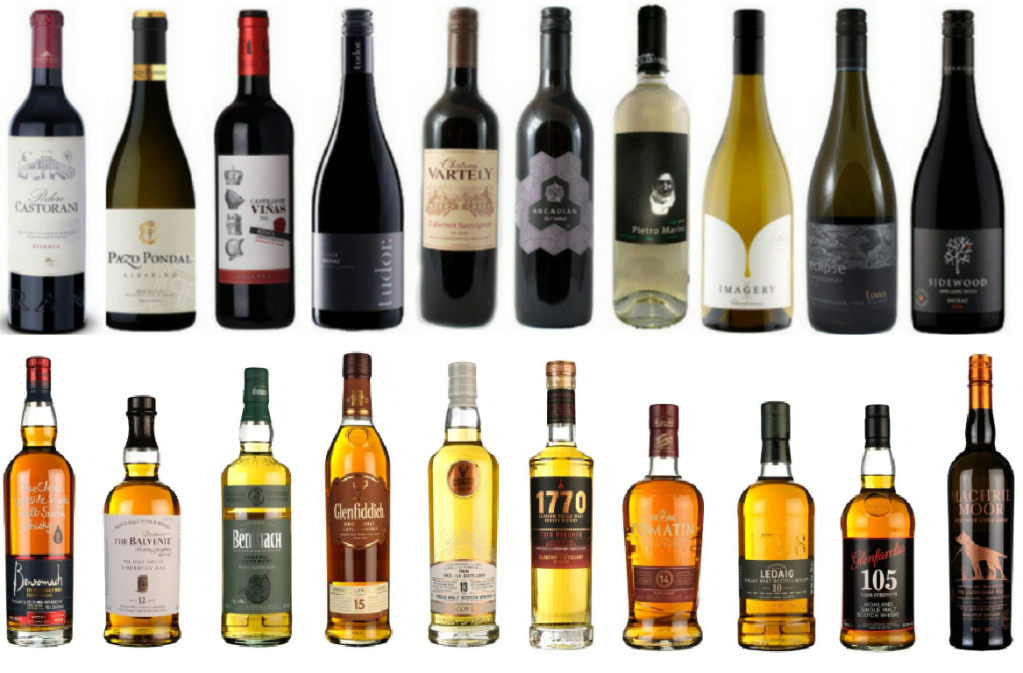
During the past six years that I have been writing this blog I have always steered away from political issues. However, today I feel compelled to speak out against Canada’s one time ally, the United States. With the return of Donald Trump to the White House’s Oval Office, Canada’s economy was placed under direct attack by Trump when he decided to impose twenty-five percent tariffs on Canadian imports to the U.S., without just cause. Similar sanctions have been imposed on Mexico and China and are being threatened against the European Union.
Photo credit: Manitoba Liquor Mart
In response to these bullying tactics by Trump, and as a proud Canadian, I will no longer purchase or write about American wine until such time as Trump refrains from his attack on Canada.
Canada has been the top export market for U.S. wines and Ontario’s provincial liquor board (the LCBO) has been among the largest purchasers of U.S. alcohol. In Ontario, imported wines are primarily sold through provincially owned and operated retail outlets, although recent regulatory changes have authorized 157 private grocery retail locations to distribute wine and beer.
The first phase of Canada’s response to the U.S. imposed tariffs includes tariffs on wine and spirits, in addition to many other products. Ontario is banning American liquor and the LCBO is removing American wine, spirits and beer from its shelves. This will represent about a billion dollars worth of American alcohol.
British Columbia, Alberta, Saskatchewan, Manitoba, Nova Scotia and Newfoundland are also removing U.S. liquor from their store shelves. At last word Quebec is considering the idea. On the bright side these bans will serve to enhance the sale of Canadian wines in Canada, as well as European, Australian, South American and South African wines.
Hopefully the American people will convince Trump that the imposition of his tariffs will not only hurt international economies but his own economy as well. It is a sad situation.
Given all of the recent tariff talk and the renewed patriotism that has come as a result of it, some interesting points have come to light regarding wine sales between provinces. Many Canadians are now avoiding U.S. made products, including wine. As a result, there are now signs of an increased need to support Canadian wineries and renewed calls to open inter-provincial trade in alcohol. However, there are inter-provincial trade barriers standing in the way.
Photo credit: LCBO
Until June 2019, federal legislation prohibited inter-provincial shipment of alcohol directly to the consumer. This then allowed the provinces the opportunity to pass legislation to permit direct purchase to consumers. Unfortunately, most provinces chose not to allow this, leaving only British Columbia, Manitoba, Nova Scotia and Saskatchewan who permit direct-to-consumer alcohol shipments. Ontario has recently amended its laws to prohibit the possession of wine that has been imported from other provinces unless the transaction was handled via the Liquor Control Board of Ontario (LCBO). There are now calls to have this ban lifted.
Ontario wine consumers cannot support small local wineries in another province. Ironically, living in Ontario and purchasing wines produced in another province, the LCBO charges the purchaser the same import duties as if the wine came from a foreign country.
The wine growers of B.C., as well as the B.C. government are advocates of opening provincial borders to enable wine to move east and west across this country. There is a great deal of regulatory burden making it difficult for small and medium-sized wineries. The process needs to be simple and streamlined.
The time has come for Canadian provinces to eliminate inter-provincial trade barriers.
Anti-alcohol messaging is going to continue and it will be increased during this upcoming year. The World Health Organization (WHO) is now warning against the consumption of any alcohol. Cancer warning labels are now being proposed and will no doubt soon be applied to all alcohol packaging. These warnings will no doubt be accompanied by a reduction in alcohol consumption. However, there are several other factors that will impact alcohol sales.
To begin with, many Millennial and Gen Z consumers are focused on their physical and mental state and how they portray themselves on social media. They have come to associate alcohol with vulnerability, loss of control, anxiety and abuse. For these reasons they have reduced their alcohol consumption.
The increase in popularity of anti-obesity drugs is also having an impact. Glucagon-like peptide 1 (GLP-1), anti-obesity Semaglutide, Liraglutide, as well as Tirzepatide drugs like Saxenda, Ozempic, Wegovy and Mounjaro are now very popular. GLP-1 works by trigging the release of insulin from the pancreas, reducing glucose from entering the bloodstream, slowing digestion and increasing the ‘full’ sensation people feel after eating.
So, how does this impact wine consumption? Studies revealed that Semaglutide reduced binge-like alcohol drinking. The drugs moderated GABA, the gamma-aminobutyric acid receptors in the brain responsible for the ‘buzz’ associated with moderate consumption of alcohol.
There is growing evidence that many users of these drugs feel less inclined to drink any form of alcohol. If GLP-1 becomes as affordable and as widely used as many predict, the effect on the food and drink industries may be dramatic.
Alcohol-free beverage alternatives are becoming more popular as the quality of these products continues to improve and they gain more market acceptance. Our own kids, who are all adults, are into alcohol free alternatives, especially beer. And now with many craft breweries and estate wineries expanding their offerings to include alcohol free options, the quality of these products maintains the same standard as their alcohol-based options. If nothing else, these beverages will provide lunchtime beverage alternatives to soda or mineral water.
Some countries, such as Great Britain, are imposing a different level of excise tax based on alcohol level. For example, beginning February 1, 2025, the duty and tax on a 13.5% Alcohol by Volume (ABV)bottle of wine will be £3.59, whereas an 8.5% ABV bottle will be taxed at just £2.05.
Finland has just reduced its alcohol distribution rules. Beverages with ABVs of 8% or less can now be sold in supermarkets. Traditionally, once one Nordic nation changes the rules, the others, such as larger Sweden, tend to soon follow.
Public attitudes toward alcohol are changing. The social licence to encourage a guest to have another glass of wine or to finish off the bottle are becoming less acceptable behaviours and are being widely revoked.
As Bob Dylan wrote, “The Times They Are a-Changin”.
I am always seeing articles about ‘TheTen Best this’ or a list of ‘The Best that’. When I read those articles I am always left with the question, “What makes these ones the best? To me beauty is in the eye of the beholder. Whether it be whisky or wine, I have tasted some that I love and others that are so-so, or even worse, that I detest. Just because someone tells you this one is fantastic doesn’t mean that you will agree. Does this mean you are less learned than the author or lacking in your ability to recognize great flavour? Absolutely not. After all, what makes the author’s opinions any better than our own? Nothing.
Another thing I find interesting is that often many of the selections found on these lists are not available in Canada and many are not even accessible to order via the internet. Thus, the information becomes basically useless. It would be like searching for a unicorn.
Lastly, the price point on some of these choices is out of reach for many as prices may reach well into four digits to obtain a bottle of the golden nectar. In my opinion, a steep price doesn’t automatically equate to it being a fantastic wine or whisky. It only means that it is expensive. A high price is better equated to the economic and production factors associated with making the wine or spirit.
To me these articles provide mere opinions and are nothing more than casual reading entertainment. I find it interesting to compare these lists to see whether there are any that I have tried. Of those that I have tasted, I compare the writer’s opinion to my own. If there is agreement, then I am more interested in what the writer has to say since there is then a stronger likelihood that we have similar tastes.
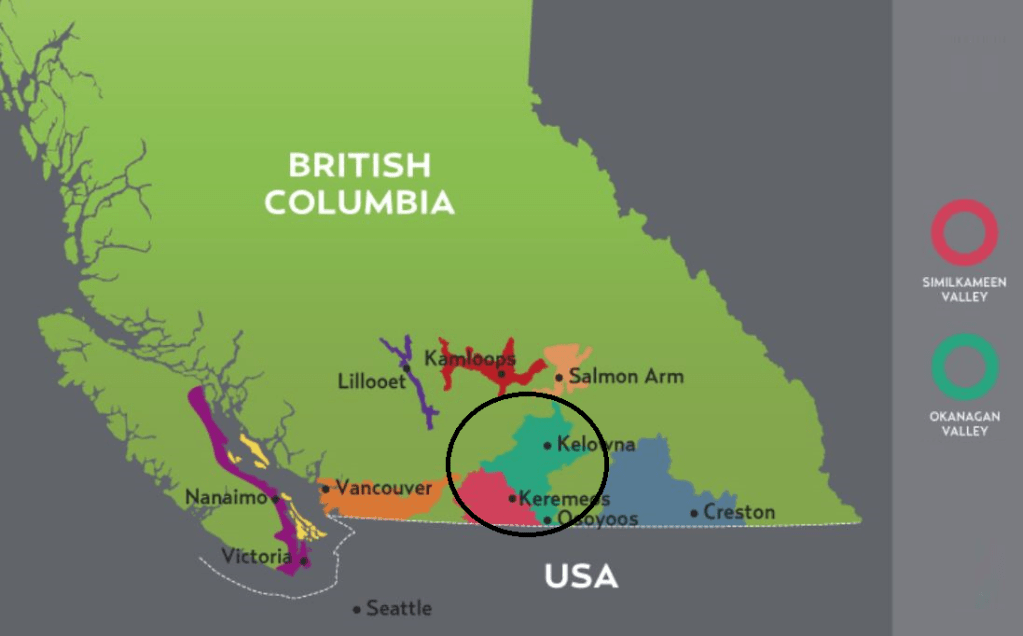
It would be an understatement to simply say that Mother Nature has been unkind to the B.C. wine industry this year. In January the extreme cold caused devastating damage to the vast majority of the grapevines in both the Okanagan and Similkameen Valley. It is estimated that 90% of this year’s grape crops were lost and 15% of the vines were destroyed.
Further devastation resulted because of the hot dry summer consisting of heatwaves and wildfires. The good news is that because of the heat, the remaining grapes ripened quickly, resulting in an early harvest with smaller but more concentrated fruit.
Lifelong workers in B.C.’s wine industry cannot recall a year that has been as devastating as this one. The provincial government has established a 26 million dollar vine replant program with an additional 92 million dollars to be paid through the Production Insurance and AgriStability program.
B.C.’s wine industry generates approximately 3.75 billion dollars annually for the province and employs more than 14,000 full-time workers. There are about 350 licensed grape wine wineries in the province that receive nearly 1.2 million visitors annually.
In order to help the wine industry recover from the lost grape harvest, the province is permitting the impacted wineries to import grapes and grape juice in order to produce the 2024 vintage. However, the imported products will not be eligible to carry the B.C. Vintners Quality Alliance (VQA) label. Without these unprecedented concessions, many wineries would face potential financial ruin resulting in cuts to thousands of direct and indirect jobs, including the loss of highly specialized wine makers and cellar masters whose expertise is essential to the industry.
So, what will all this mean for the wine drinker when comes to the 2024 vintage of BC wines? Because of the intense heat and early ripening of those grapes that did survive, they will provide very concentrated and flavourful wines. However, given the scarcity of the wines that will carry the VQA designation, you can expect the price of the 2024 vintage to be higher than most years.
You can also rest assured that the wines that will be created from imported grapes will meet the established standards of the winery producing them. After all, their hard established reputations are at stake here and no one is willing to jeopardize that. British Columbia’s talented winemakers will deliver great results.
Many of the world’s wine regions are facing problems resulting from an oversupply of grapes. For example, last year the French government spent 200 million euros to dispose of surplus wine. In addition to that, Bordeaux region vintners received 57 million euros to destroy 9,500 hectares of grape vines.
Photo credit: vancouversun.com
In Australia, millions of vines are being destroyed and tens of millions more must be removed to control overproduction. Drastically reduced grape prices are threatening the incomes of growers and wine makers.
Falling consumption of wine worldwide has hit Australia particularly hard as demand shrinks fastest for the cheaper reds that are its biggest product. It had relied on the Chinese market for growth until recent years. Last year there was more than two billion litres of surplus wine in Australia.
Oversupply is not a new phenomenon. In the past the industry has always been able to readjust but going forward it may not be as easy. Past declines were triggered by economic factors such as market crashes, the tech boom, new tax laws and other more specific events that impacted the amount of money people spent and how they prioritized their consumption of wine.
Today the reduction in wine consumption is the result of a change in attitude and lifestyle resulting in people consuming less wine. Campaigns such a “Dry January” and “Sober October” are becoming more and more popular, leading to less wine consumption in the other ten months of the year. As a result, wine drinking has been declining year over year since 2017.
In France, wine consumption has declined significantly, from 150 litres per person per year in 1950, to 40 litres per person in 2022. The French people are no longer insular with just their own culture. Instead, they have adopted influences from other parts of the world and as a result, have substituted some of their wine consumption with other beverage options, such as beer, whiskey and cocktails.
Cuisine is changing as well, which has altered drinking habits. Lighter food choices and finger foods are often replacing traditional multi-course meals. Also, people have been reducing the amount of red meat in their diet. This has resulted in consumers wanting lighter, lower-alcohol wines. The Bordeaux region in particular has been greatly impacted by this, having reduced demand for their full-bodied red wines.
The U.S. market is being impacted as well due to a focus on wellness and a change in lifestyle. Non-alcoholic beverages sales there have increased 20.6 percent from 2021 to 2022.
People are drinking less wine but better wine. Over the past seven years, the U.S. wine industry is seeing growth rates sag in the under $12 category but wines in higher-priced tiers continue to see growth.
This change has also impacted wine sales in Australia where for the first time since the mid-1990s there is an oversupply based on a lack of consumer demand. A main driver of the decline is due to the lack of demand for Australin wine in the U.S.
There are other factors as well affecting Australian wine sales. In March 2021, China imposed a 218 percent tariff on Australian wine in response to Australia requesting an independent investigation as to the origins of COVID-19. China’s decision wreaked havoc on Australia’s wine industry.
The world is also still feeling the effects of the pandemic. From supply chain issues to how people purchase and consume wine was severely impacted. The good news is that there are indications that the wine industry is heading toward a return to normalcy, at least in this regard. Wine consumption remains lower than in 2015 but above what it was in 2021. This is largely due to the reopening of bars and restaurants. The long-term effects remain to be seen.
Depending on soil conditions, some French vintners are now investigating switching to other crops such as corn or wheat. Others are changing vineyards into livestock pastures. Australia is focusing on market expansion and providing wineries with market data so they can determine their best course of action. Not waiting for new markets to open, some growers are turning to citrus and nut trees instead.
One thing for certain is there is currently much uncertainty in the wine industry.
I am not sure how much credence I am willing to put in this, but there are those who say there is evidence to prove that there are health benefits to be gained from moderate whiskey or other alcohol consumption. I am a true whiskey fan but I am skeptical of at least several of the claimed health benefits.
Photo credit: vinepair.com
I think everyone will agree that too much of anything can be bad for you. It is argued that alcohol can be both a tonic and a poison. The difference seems to depend on the amount consumed. It is debated that moderate drinking can be good for the heart and circulatory system, and possibly protects against Type 2 diabetes and gallstones.
On the other hand, heavy drinking is a major cause of preventable death. Heavy drinking can damage the liver and heart, harm an unborn child, increase the chances of developing some cancers, and can lead to depression amongst other things.
The active ingredient in alcohol, ethanol, affects the body in many ways. It directly influences the stomach, brain, heart, gallbladder, and liver. It affects the level of cholesterol, triglycerides and insulin in the blood, as well as causing inflammation and coagulation. It also alters mood, concentration, and coordination.
All the various studies base their research on what the researchers refer to as moderate alcohol consumption. However, the definition of moderate consumption is not consistent throughout the scientific community. In some studies, the term “moderate drinking” refers to less than 1 drink per day, while in others it means 3 to 4 drinks per day, a significant difference. Exactly what constitutes “a drink” also varies. In fact, even among alcohol researchers, there’s no universally accepted standard drink definition. Many consider a drink as consisting of 1½ ounces of alcohol, but even then, the alcohol level by volume can vary from whiskey to whiskey.
Even moderate drinking is known to have some risks. Alcohol can disrupt sleep, as well as may interact in potentially dangerous ways with a variety of medications, including acetaminophen, antidepressants, anticonvulsants, painkillers and sedatives. It is also addictive, especially for people with a family history of alcoholism.
One serving of alcohol on average contains 100 to 150 calories, so even a moderate amount of 2 drinks a day can contribute 200 to 300 calories to your daily caloric intake. Mixed drinks that add juice, tonic, soft drinks or syrups will increase the calorie intake even further, increasing the risk of weight gain over time.
So what are the potential health benefits to be gained from whiskey or other forms of alcohol consumption? To start with, there are more than 100 prospective studies that suggest an inverse association between light to moderate drinking and risk of heart attack, ischemic (clot-caused) stroke, peripheral vascular disease, sudden cardiac death and cardiovascular related death.
Research indicates that there is a relationship between moderate drinking and lower risk of cardiovascular disease in both men and women. It applies to people who do not have heart disease, and also to those at high risk for having a heart attack or stroke or dying of cardiovascular disease, including those with Type 2 diabetes, high blood pressure and existing cardiovascular disease.
Moderate amounts of alcohol raise levels of the “good cholesterol”, high-density lipoprotein (HDL). Higher levels of HDL are considered to provide greater protection against heart disease. Moderate alcohol consumption is also linked to better sensitivity to insulin and improvements in factors that influence blood clotting. Such changes would tend to prevent the formation of small blood clots that can block arteries in the heart, neck, and brain, the ultimate cause of many heart attacks and ischemic strokes.
Other claimed health benefits include helping to maintain body weight, using as an antibiotic on scrapes and cuts, protection against dementia, reduction of high levels of uric acid, which in turn lowers the frequency and risk of gout attacks, and lastly it is gluten free.
This is all well and good but there are some essential factors to keep in mind. Having 7 drinks on a single day and then not drinking the rest of the week is not considered the same as having 1 drink a day. The weekly total may be the same, but the health implications are not.
The potential social and psychological benefits of alcohol cannot be easily quantified. A drink before a meal can improve digestion or offer a soothing reprieve at the end of a stressful day and an occasional drink with friends can be a social refresher.
There is one more caveat to add to this debate and that is, given the complexity of alcohol’s effects on the body and the complexity of the people who drink it, all-encompassing statements about the benefits of whiskey consumption cannot be made. Because each of us has unique personal and family histories, alcohol offers each of us a unique variety of benefits and risks. So, are there health benefits to be gained from whiskey consumption? Maybe.
Regenerative agriculture is not just a trendy environmental buzzword intended to tug on your emotional “save the planet” heartstrings; it is an ancient form of agriculture that is making its way back into mainstream farming. It’s successful, not only in producing and sustaining quality wine grapes, but it’s also successful in combating climate change, the effects of drought and creating a healthy environment.
Photo credit: daily.sevenfifty.com
Regenerative wine farming means farming grapes in a way that regenerates soil health. It is a set of organic, ecologically driven farming practices that improve the ecosystem by working in harmony with nature. Farming this way increases biodiversity, restores soil and plant microbiome and eliminates the need to introduce toxic pesticides, herbicides and genetically modified organisms (GMOs) into the soil, waters and grapevines.
Equally important are the broader environmental benefits. Regenerative agriculture has the potential to help reverse climate change by capturing carbon in the soil and removing it from the atmosphere.
Decades of extractive farming methods have taken their toll on the land. While sustainability efforts aim to maintain living systems to prevent further degradation, regenerative viticulture will revitalise the terroir, the wines and our bodies. By prioritizing soil health and biodiversity, regenerative viticulture holds the potential to transform the industry and bring it into alignment with a more complete and sustainable vision for the future.
With the focus on living soil, regenerative viticulture builds more robust ecosystems that are less susceptible to climate change and biodiversity loss. Adopting management practices for living soil can increase soil organic matter and reduce carbon from the air, a crucial component of the United Nations Climate Change Conference’s plan to reduce global carbon emissions.
Regenerative viticulture also promotes water percolation and retention and it also better ensures water supply for communities. The overall goal is to guarantee food security, nutrition and community health and well-being, making it a vital component of a sustainable future.
Regenerative farming practices foster a robust ecosystem for the grape vines to prosper naturally, in turn producing fruit that is truly expressive of its surroundings, and wines with enhanced minerality and other nuances that come from healthy, site-specific soil without chemical manipulation. The taste of the wines is distinctly delicious with terroir-driven flavours.
There are a number of components to regenerative viticulture. The first is to plant a variety of cover crops. In traditional agriculture the soil is tilled. This allows for the most economical farming, but it is not good for the soil as it destroys the soil’s natural structure and causes soil erosion, water runoff and poor water infiltration. By introducing a variety of cover crops to the vineyard, bees and other pollinators will have a welcoming habitat. These plants will smother out undesirable weeds and increase water retention in the soil while reducing erosion and reducing the need for pesticides. Cover crops will improve the level of soil nutrients and provide the biodiversity essential for a healthy ecosystem.
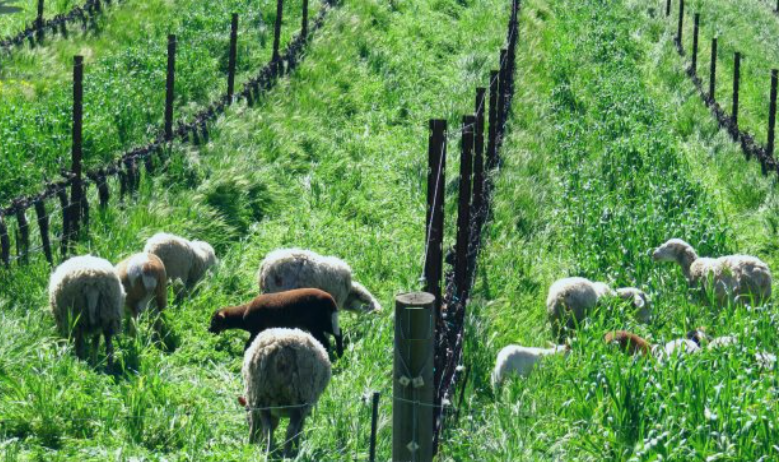
The introduction of sheep, chickens, geese and ducks to roam the vineyards will reduce pests and weeds, as well as provide nutrient-rich manure to the soil. This results in improved soil health and further eliminates the need for pesticides.
Viticulture is at a critical juncture. Through its commitment to ecosystem services and human health, viticulture is embracing a systemic approach to support farmers in delivering regenerative agriculture. However, in order to maximize its potential, there must be a paradigm shift that will contribute to solving the biodiversity and climate crises.
Old vines or new vines; does it make a difference when it comes to making wine? The simple answer is yes, but there are some things to take into consideration. The main sticking point is finding common ground for the definition of ‘old’. The definition is not industry controlled so depending on where you ask, the meaning changes.
Photo credit: lastbottlewines.com
In France, New Zealand and Canada, ‘old’ can mean 30 years. In Australia, California and Spain, the vines are not considered ‘old’ until they are 50 or 60 years of age. A few Californian producers who have vines as old as 80 to 100 years have adopted the designation ‘ancient vines’. If 80 years is considered ancient then by comparison there are several Australian vineyards with vines of such an age they would be considered prehistoric, dating back more than 150 years, the upper limit of longevity. Without a true international standard for identifying the relative maturity of vines from one country to the next, the consumer must beware and take into consideration where the wine was produced.
The lifespan of a vine is determined by several factors. The vines of France and other European nations were destroyed during the 1800s and early 1900s by a sap-sucking root pest called phylloxera that destroyed the plants and necessitated replanting on resistant North American rootstocks. Also, in the relatively rainy parts of Europe, such as much of France, the vines die decades before they tend to in the hot dry regions of South Australia, California, Chile and much of Spain. Harsh winters in countries such as Canada led to vines having only a 30 to 35 year lifespan.
Young grape vines, though productive, deliver variable quality wine from year to year. When the sun shines, they grow a great amount of foliage which can produce bitter grapes. When it rains, these vines bloat with water. The vines require massive pruning to reduce the amount of foliage and encourage ripening. By contrast, old vines are constant, their reduced sap flow naturally yields smaller berries with a higher ratio of solids to liquid.
The deep roots of old vines are a big asset. They tap moisture in drought conditions and guard against bloating during rainy times. Old vines also tend to ripen earlier, a great benefit to growers in cooler climates where cool autumn temperatures reduce the growing season.
Old vine wines provide richness and more complex flavours that build rather than trail off after the up-front fruit fades away. Young vines produce nice, aromatic wines but lack the complexity of flavour of wine produced from older vines. Wines produced from old vines will often cellar longer than wines produced from young vines.
Wine produced by old vines is generally more expensive than similar young vine wines. Because of the rarity, lower yields and perceived enhancement of wine quality, old vines have become increasingly sought after and valued by both the wine industry and consumers. As a result, old vine grapes typically demand a higher price per tonne. This combined with consumer demand, has resulted in old vine wines being more expensive to purchase in the stores.
It has been said that the appreciation of an old vine wine can be a way to connect with the past and to celebrate an enduring art form, similar to listening to the music of a great composer, reading literature or observing at the art of past masters. Wine made from old vines can reveal the distinctive character of a specific historic place and the artistry of the vintner, both past and present.
In the past I have written articles on whether a wine should or shouldn’t be decanted (To Breathe or Not to Breathe from November 9, 2019) and on what style of wine decanter is best (Choosing a Wine Decanter from July 18, 2020). Today I will talk about the dos and don’ts for decanting a bottle of wine.
Decanting wine can be a great way to enhance flavour and aroma, but it’s important to do it properly to avoid ruining the wine. Here are some suggested dos and don’t dos from some wine experts.
Dos
Wines that should be decanted are young, full-bodied red wines with high tannins and bold flavours. Wines to decant include Cabernet Sauvignon, Syrah and Bordeaux blends. Lighter red and white wines usually don’t need to be decanted.
Stand the bottle in an upright position for an hour or two before opening. This will allow any sediment to settle at the bottom of the bottle.
Make sure the decanter is clean before decanting. A dirty or musty decanter can affect the taste and aroma of the wine.
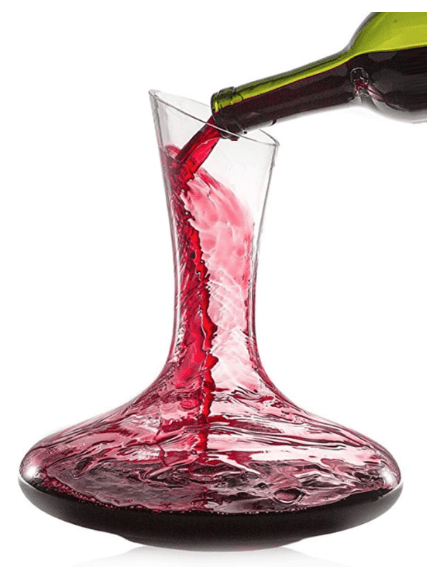
When pouring the wine into the decanter do it slowly and steadily. Be aware of any sediment in the bottom of the bottle as you don’t want any of it in the decanter. It is often handy to use a fine mesh strainer to catch any bits that escape from the bottle.
After decanting, let the wine sit in the decanter for at least 15 minutes before serving. This will allow the wine to open up and release its aromas and flavours. Some wines require much more than 15 minutes, so feel free to taste the wine to decide if it needs additional time to decant.
Don’ts
Be careful not to decant the wine for too long. If you do, the wine will lose its flavour and aroma. Generally, if you can smell the fruit flavours from the wine, it is ready to drink.
Never shake the bottle. Shaking the bottle can disturb the sediment and mix it with the wine, making it more difficult to remove the sediment.
Do not decant aged or delicate wines. These wines can be harmed by decanting. Both the flavour and aroma may be greatly weakened resulting in a flat, tasteless drink. If in doubt, taste the wine before deciding whether to decant.
The decanter should not be filled to the top as there needs to be space to allow the wine to breathe and release its aromas. Quite often a bottle of wine will fill up to the widest part of the decanter.
By following these guidelines, you can ensure that you are receiving the most flavour and aroma experience from every bottle of wine.