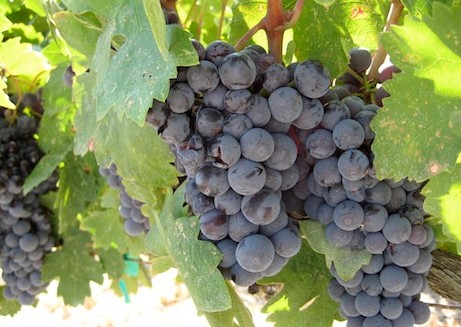
The Primitivo grape is believed to have originated in what is known today as Croatia. It was named Primitivo by the Italians based on the Italian word “primaticcio”, which means ‘early ripened’. The vines are believed to have been exported to North America during the early 1800s, where the grapes became known as Zinfandel. Where that name came from, I have no idea.
The most common Zinfandel is a dry, medium-bodied red wine with medium to high tannins and medium to low acidity. The alcohol by volume is usually in the very high range, in excess of 14%.
Red Zinfandel is a bold, fruit-forward red with smoky spice notes. Its primary flavours are generally blackberry, strawberry, peach, cinnamon and tobacco.
The wine pairs well with BBQ ribs, grilled chicken, roast lamb, pulled pork, pork chops, blackened salmon, bacon-wrapped tenderloin, game meats and burgers. If cheese is your thing, pair it with sharp cheddar or smoked gouda. Vegetables like caramelized onion, tomatoes, grilled eggplant, mushrooms, olives, zucchini or baked beans will also go well. Desserts such as cheesecake and dark chocolate are great options as well.
There is also White Zinfandel, which is actually a sweet pink Rosé. It has aromas of fruits, such as strawberries, raspberries, cherries and citrus.
Today, the United States, where the grape is referred to as Zinfandel, is the largest producer, with over 18,500 hectares under management. Italy, where it is still referred to by its original name, has almost 14,000 hectares of vines. Macedonia is next with 1,000 hectares and Australia with 87 hectares. Lesser amounts are grown in Chile, Canada and South Africa.
Wine is a popular choice for Valentine’s Day. Whether it is paired with food or enjoyed on its own, it helps create a romantic atmosphere. Given that Valentine’s Day is about your partner’s love and affection, be sure to select a wine that will match their preferences; the best wine is one that your partner will enjoy, so tailor your selection to their tastes.
Remember to serve the wine at the correct temperature as this will help enhance its flavour and aroma. The ’20 Minute Rule’ is an easy way to do this. For white wine that has been chilling in the refrigerator all day, set it out 20 minutes before serving. For red wine do the opposite. Place it in the fridge to chill for 20 minutes before serving.
If you want to add an element of surprise to your experience, introduce your partner to a wine from a less-known region. Another option is to try a grape variety that you don’t normally serve.
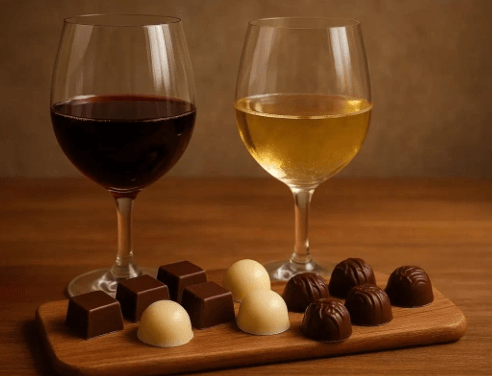
If you are looking for a wine to enjoy with chocolate, it is best to match the intensity of the wine to the type of chocolate. For dark chocolate, opt for bold red wines like Cabernet Sauvignon or Port. Milk chocolate goes well with fruity, lighter-bodied reds, such as Pinot Noir or sweeter sparkling wines. White chocolate pairs well with sweet white wines like Moscato or dry options like a crisp Chardonnay or Sauvignon Blanc.
Wine with chocolate is a longtime favourite of mine. The question is, which wines go best with each type of chocolate?
Photo credit: dcwineandspirits.com
Some general guidelines include matching the wine’s intensity to the chocolate. A rich, dark chocolate needs a bolder wine than a gentle milk chocolate. Acidity in the wine can help cleanse the palate and prevent the chocolate from being too overpowering.
Wine that has been slightly chilled will help prevent any bitter overtones in chocolate. If the chocolate is sweeter than the wine, it will help reduce any bitter or sour notes that may be present in the wine.
When having dark chocolate, oak-aged red wines are a good choice. Such wines include Cabernet Sauvignon, Grenache, Barolo or a Bordeaux blend. Dessert wines such as Port, Sherry, Banyuls, a French fortified dessert wine, or Madeira, a fortified Portuguese wine, are also good options. The boldness of these wines goes well with the strong, often somewhat bitter flavours of dark chocolate.
Milk chocolate is complimented by fruity wines having less tannins such as Pinot Noir or Merlot. Sweet white wines like Gewürztraminer or Moscato d’Asti are also good choices. The sweetness of milk chocolate pairs well with these sweeter wines.
White chocolate and sweeter white wine are a good combination. White wine options include Riesling, Moscato d’Asti or a sweet Rosé. The sweetness and buttery notes of white chocolate are heightened by the sweetness and floral notes of these wines.
Most importantly, don’t be afraid to experiment with your own combinations and discover your personal favourites.
Looking to enhance a quick, easy to prepare, dinnertime meal? Here is a combination of homemade and store-bought quick and easy-to-prepare meals and wines that will give your simple meal a boost of elegance.
First, it is important to pair light wines with light foods and rich wines with rich foods.
Photo credit: tierralunacellars.com
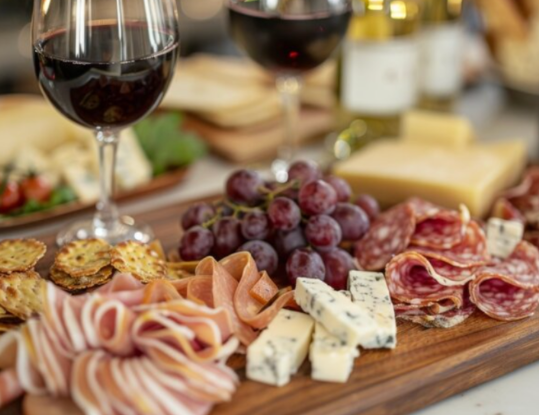
A cheese and charcuterie board requires no cooking. The salt, protein, and fat in the cheese and meats are a good match for wines with higher tannins such as oaked Chardonnay or a Cabernet Franc or Cabernet Sauvignon.
Bruschetta or fresh tomato appetizers such as a Caprese salad are complemented with red wines like Merlot or Zinfandel.
Smoked salmon on cucumber or crusty bread will go well with full-bodied white wines such as Chardonnay. The fat in the salmon will cut through the wine’s acidity.
Grilled vegetables or light fish are a good match for crisp, acidic white wines like Sauvignon Blanc or even a Rosé.
Salty foods like fried chicken will pair wonderfully with Champagne, Cava or Prosecco because their acidity and bubbles cut through the fat. Other good options include high-acid white wines such as Sauvignon Blanc or Riesling, as well as reds like Pinot Noir or Grenache.
Pairing wine with stir-fry depends on the dish’s dominant flavours; general recommendations include aromatic whites like Sauvignon Blanc or off-dry Riesling for vegetable or spicy dishes. Fruity reds like Pinot Noir are best suited for richer, meat-based stir-frys.
If your dinner menu is prepared by you or coming out of a package, try these combinations:
Pepperoni pizza bites or pizza pockets will go well with a medium bodied red like Sangiovese or Chianti Classico.
Vegetable or Ricotta Lasagna pair well with white wines with good acidity and medium body. Lightly oaked or unoaked Chardonnay, Sauvignon Blanc or Pinot Grigio will work well. If your lasagna is predominantly tomato-based, lighter-bodied reds are a good choice. Pinot Noir, Gamay, Beaujolais or Rosé are all good choices.
Wine pairings for burritos or enchiladas will depend on the level of spice. Spicy dishes pair well with slightly sweet or off-dry white wines like Riesling or Gewürztraminer or fruity, low-tannin reds like Gamay or Baco Noir. Tangy, acidic sauces like a green tomatillo salsa complement wines with higher acidity, such as Sauvignon Blanc or Albariño. Rich, hearty fillings, like beef, are a good match for robust red wines like Cabernet Sauvignon or Nebbiolo.
Sparkling wines, like Cava or Prosecco, are a versatile option, offering a palate-cleansing effect that works well with a range of flavors.
When having ramen, the wine is best matched to the spice and level of heat. For light, delicate broths (like Shoyu), opt for crisp whites like Pinot Grigio or Chablis. Richer broths (like Tonkotsu or Miso) pair well with more full-bodied wines like Alsatian Pinot Gris or a medium-bodied Chardonnay. Spicy ramen calls for off-dry wines like a slightly sweet Riesling or Rosé to cool the heat.
Rotisserie chicken pairs well with white wines that will offer a crisp balance to the richness of the meat and can highlight citrus or herbal notes. Chardonnay, Sauvignon Blanc or Pinot Gris are great options. Red wines such as Pinot Noir, Gamay or Grenache are good options for those who prefer red wine.
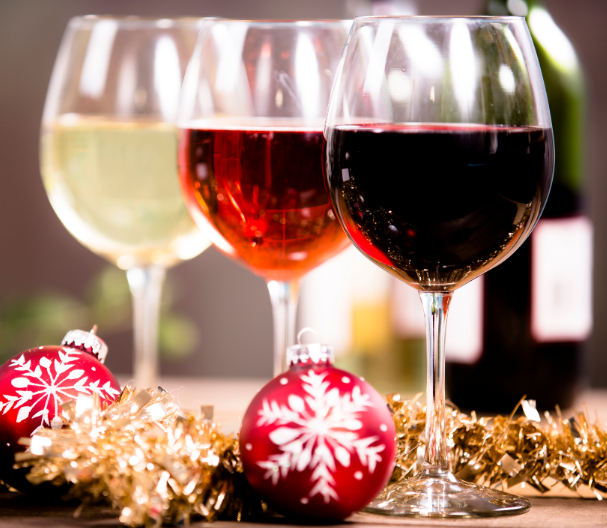
With Christmas, Hanukkah, Kwanzaa, and New Year’s Eve celebrations all quickly approaching, there’s a lot to consider when it comes to choosing what to eat and drink during those festive gatherings. Here is a list of some of the best wines to pair with the flavours of the holidays.
Photo credit: winedevaexperiences.com
For rich, buttery foods, wines with good acidity will refresh the palate. As always, match the weight of the wine to the food: Light-bodied wines go with lighter dishes, while full-bodied wines can stand up to hearty, richer food.
If you are serving sparkling wine, be sure to keep it chilled. Sparkling wine always adds an instant celebratory feel and pairs well with everything from appetizers to desserts.
If you want to keep it simple, you can offer a red, white, and a sparkling option to cover the diverse flavours on the dinner table. Guests can then choose which wine they prefer. Chardonnay, Pinot Noir and Riesling are all good general options.
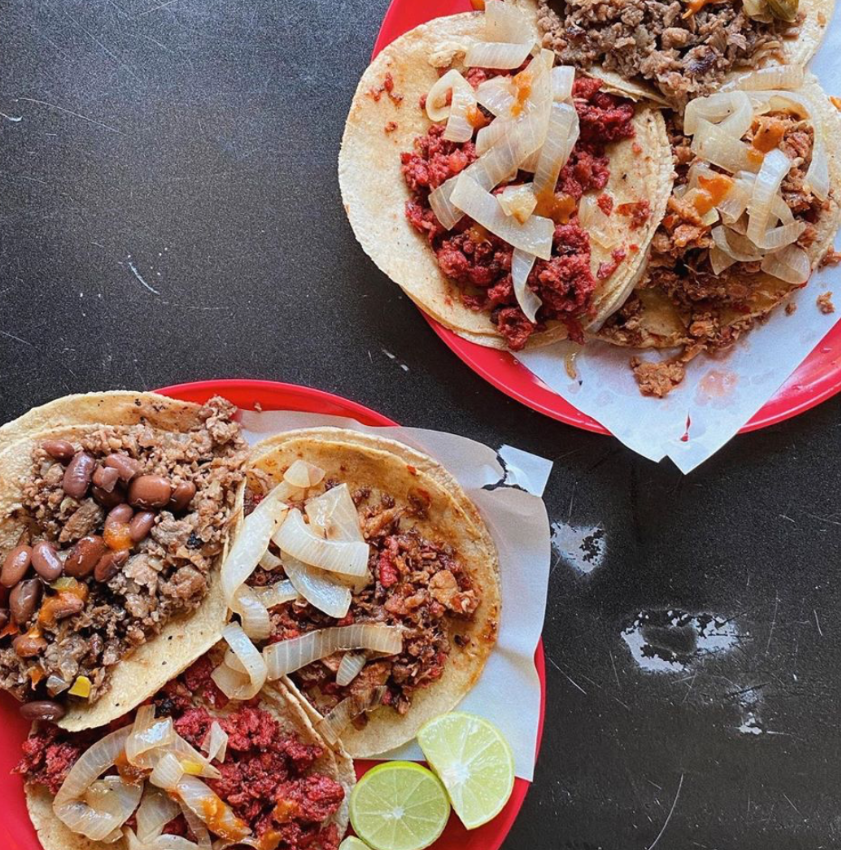
Mexican cuisine is very rich and varied, making it challenging to make generalized wine pairing suggestions. Because of the spicy nature of Mexican food, sparkling wines, such as Cava or Prosecco, Rosé, or sparkling Rosé, are all good choices. Wines with low or moderate alcohol levels will be a better match with the spicy nature of the food. Also, a slightly sweet or fruity wine can help balance the heat.
Photo credit: gustomexico.com
Specific wine pairings should focus on the dominant flavours, proteins or sauces of the dish. Lime, cilantro and tomatillos will pair well with crisp white wines like Sauvignon Blanc or Albariño. Grilled dishes with smoky chipotle flavours may be balanced with a Malbec, Tempranillo or Syrah. Pinot Noir will compliment Carnitas or other pork dishes. Seafood dishes are a good match with Spanish Verdejo or Vermentino. The ever-popular Chile Con Carne is a good match with GSM blends (Grenache, Syrah and Mourvèdre grapes) or a South American Carménère.
Here are some specific dish pairing suggestions from some experts:
Now that autumn has returned, I begin to turn my thoughts to cold weather comfort foods like pasta.
Photo credit: blog.web-center.si
Generally speaking, the best way to pair wine with pasta is to match the weight and richness of the sauce to the wine. Pair light, vegetable or seafood-based pasta with crisp white wines like Pinot Grigio. Rich creamy, or meat-based sauces go well with fuller-bodied wines such as Chardonnay or Pinot Noir, while tomato-based sauces require medium-bodied reds like Sangiovese. A sparkling wine, for example Prosecco, will complement many pasta dishes, especially those with creamy or rich sauces.
A good rule of thumb is to match the weight of the pasta sauce with the weight of the wine. A light sauce calls for a light wine, while a heavy sauce pairs well with a bolder wine. Also consider sparkling wines as the bubbles will complement creamy sauces and the acidity works well with tomato-based dishes.
Here are some specific pairing suggestions from several experts:
Fettuccine Alfredo: The wine needs to complement the richness of the dish while providing balance and enhancing the flavours. White Burgundy, Pinot Blanc, and Soave Classico will pair well with Fettuccine Alfredo.
Lasagna: This dish pairs well with a full-bodied red wine like an Italian Chianti Classico or a Brunello di Montalcino.
Pesto Pasta: The pesto flavours will harmonize well with a light-bodied white wine with herbal and citrus notes such as a Sauvignon Blanc, Pinot Grigio or Italian Vermentino.
Spaghetti Bolognese: The rich and meaty tomato-based sauce goes well with a medium-bodied red wine with good acidity such as an Italian Sangiovese or a Chianti.
Spaghetti Carbonara: The creamy Carbonara sauce will be complimented by a medium-bodied white wine like a Viognier or a Chardonnay. If you prefer red, Pinot Noir or Malbec are suggested.
Cheese-filled Ravioli: Pair with a light to medium-bodied white wine like Sauvignon Blanc, Pinot Grigio or Vermentino.
Meat-filled Ravioli: A full-bodied red wine such as Sangiovese, Barbera, Chianti, Cabernet Sauvignon, or Syrah is a good combination.
Seafood-filled Ravioli: Couple this ravioli with a white wine like Chardonnay, Sauvignon Blanc or a dry Riesling.
Vegetarian Ravioli: A red wine like Pinot Noir or Gamay, or a light to medium-bodied white wine such as Grüner Veltliner, Pinot Grigio, Viognier or Sauvignon Blanc are great options. You can also choose Rosés like Chenin Blanc or Pinot Gris.
No matter what pasta you have there will be the perfect complementary wine to enjoy alongside.
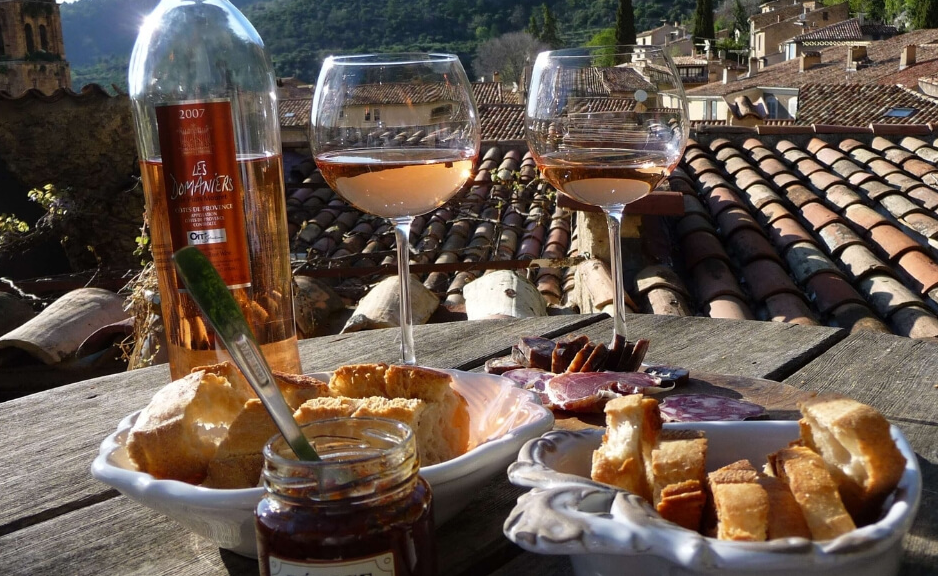
Inspired by my excursion earlier this year to France, I have compiled a list of popular French foods along with complimentary French wines.
Photo credit: joinusinFrance.com
Asparagus and Hollandaise with Condrieu
Condrieu is the highest form of Viognier, a white grape known for its thick texture and exuberant aromatics. Asparagus makes a good combination.
Brie de Meaux with Champagne
The richness of the creamy cheese is balanced by the acidity and lightness of the bubbly Champagne. It creates a very decadent experience.
Coq au Vin with Beaujolais
Beaujolais is the often-underestimated red from southern Burgundy. Made from pure Gamay, the wines are easy to appreciate. The freshness in Beaujolais allows it to cut through the richness of stew. However, the berry notes of the wine are better suited with chicken rather than beef or pork.
Boeuf Bourguignon with Red Burgundy
Boeuf bourguignon, being robust and savory, is well complimented by a red Burgundy, which is a complex and subtle expression of Pinot Noir.
Chèvre with Sauvignon Blanc
As simple as it sounds, fresh goat cheese and Sauvignon Blanc make a great combination. The pungent flavours in chèvre are highlighted by the minerals and acidity of Sauvignon Blanc.
Comté with Vin Jaune
Vin Jaune is the oxidized, sherry-like wine made in France’s Jura region. It has intense, delicious notes of walnuts, dried fruit, curry and pine. It can be a bit sharp on its own, but with cheese, such as Comté, it is very appealing.
Duck with Red Burgundy
A red Burgundy will be a good compliment for roasted duck breast. It combines delicate berry fruits with cool earthiness. As the wine ages it is enhanced by notes of mushrooms and leather.
Foie Gras with Sauternes
Steeped in French tradition, foie gras should be paired with a Sauternes from the Bordeaux region.
Lamb with Northern Rhône Syrah
Northern Rhône Syrah is both subtle and elegant, combining characteristics of dark berry with lightweight aromatics. There are often notes of smoked meats, bacon, licorice, and cloves, which pairs well with lamb.
Mussels with Muscadet
Muscadet is a refreshing, uncomplicated white wine that is produced along the Loire River near the Atlantic Coast. With the ocean nearby, it’s a perfect match for shellfish, particularly oysters or mussels.
Olive Tapenade with Rosé
Olive tapenade served on seasoned crackers or crusty slices of baguette combined with a crisp Rosé is a great combination.
Oysters with Chablis
Chablis is a sub-region of Burgundy, known for its Chardonnay wines made with little or no oak. Classic Chablis is full of minerality and zest making it a great pairing with most oyster dishes.
Roquefort with Sauternes
Sauternes is a unique wine, being created from mold-covered shriveled up grapes just south of Bordeaux. It has notes of apricot, pineapple, ginger, caramel and honey. It pairs well with blue cheese.
Salade Lyonnaise with Beaujolais
A traditional salad lyonnaise (greens, bacon, croutons and mustard dressing topped with a poached egg) is the perfect match for the low levels of tannins and high acidity found in Beaujolais, which is produced from Gamay grapes.
Sole or Flounder with Sancerre
Sancerre is pure Sauvignon Blanc. It is aged in a stainless steal tank without any oak. The combination of juicy grapefruit and mineral freshness matches beautifully with any fine white fish prepared in butter.
Steak with Bordeaux
Steak pairs well with many reds from France, but one sure bet is Bordeaux, especially the Right Bank Merlot dominant wines.
Stew with Southern Rhône Red
Southern Rhone reds usually consist of a blend of Grenache, Syrah and Mourvèdre. The resulting wines are bold and rich, with texture and dark, jammy notes. Most beef stews work well with these wines.
Veal with White Burgundy
White Burgundy is the highest expression of Chardonnay. As long as the wine retains some acidity, it should match beautifully with the subtle, delicate flavours of veal.
Greek food is very diverse but generally pairs well with crisp white wines such as Sauvignon Blanc or a Greek Assyrtiko, which is a very dry, high acid wine. Light-bodied red wines like Pinot Noir or Sangiovese, as well as sparkling wines like Prosecco also work well.
Photo credit: travelzoo.com
For heartier dishes with lamb or beef, a hardy Greek red such as Xinomavro or Agiorgitiko will pair well.
As with any wine pairing, consider the dominant flavours of the dish. Pair light-bodied wines with lighter dishes and bolder wines with richer dishes. The wine’s acidity can complement the flavours of many Greek selections, especially those with lemon or tomato.
Here are some specific pairing suggestions from a variety of wine experts.
Avgolemono (Lemon Chicken soup): Medium-bodied white such as a Greek Moschofilero
Grilled chicken: Chardonnay or a Greek white Savatiano or Assyrtiko.
Chicken or pork Gyros: Riesling, Gewürztraminer or a light, chilled red Baco Noir or Greek Agiorgitiko.
Fish or seafood: Pinot Noir, Chardonnay, Riesling, Rosé or Assyrtiko.
Greek Salad: Sauvignon Blanc or an Orange wine.
Lamb or beef dishes: Syrah/Shiraz, Merlot, Cabernet Sauvignon, Agiorgitiko, or Xinomavro.
Lamb Gyros: A lighter, chilled red, such as Pinot Noir, Syrah or Agiorgitiko.
Mezze Platter (dips, pita, salads): Light red wines like Pinot Noir or Sangiovese, crisp whites like Sauvignon Blanc or an Orange wine.
Moussaka: A light-bodied red like Baco Noir or Agiorgitiko.
Pastitsio: Italian Nebbiolo or Greek Xinomavro.
Grilled octopus: Greek Assyrtiko.
Red sauce dishes: Cabernet Sauvignon or Merlot.
Saganaki: A citrusy white like Trebbiano.
Spanakopita: Pinot Grigio, Vermentino or Moschofilero.
As always, don’t be afraid to experiment with different pairings to find your favourites.
Serving wine with your fast-food meal is a great way to enhance your dining experience. A little planning when it comes to your wine pairing can be very rewarding, so don’t just grab any bottle of wine off the shelf or from the fridge. Generally, wines with higher levels of acidity work well with fattier, greasy foods. Also, don’t forget to consider any side dishes you are having with your fast food. The wine should complement all the elements of your dinner. Robust, bold-flavoured dishes need to be paired with an equally powerful wine. Sweeter wines, like Riesling, will counterbalance hot or spicy dishes.
If in doubt, sparkling wines are generally a safe bet when it comes to fast food.
Photo credit: providencejournal.com
Burgers
Since burgers usually have a high fat content, more acidic wines pair well. Beef and medium-bodied red wines, such as Malbec or Syrah are a great match while chicken, turkey and veggie burgers go best with lighter-bodied white wines. Sauvignon Banc, Pinot Gris or Chenin Blanc are all good options.
If having cheeseburgers, a light-bodied Pinot Noir or a fruity Grenache is a good choice. Bacon cheeseburgers are complimented by a bold Cabernet Sauvignon or Shiraz.
Curry
When matching wine with curry there are a couple of considerations: texture and the spice level. High alcohol wines intensify the heat from curries, so these are best avoided with spicy curries. Crisp, cold white wines are a good match at offsetting the curry’s heat. Sparkling wines are best avoided as they can leave an unpleasant metallic aftertaste.
An off-dry Riesling or Pinot Gris works well, as does a light or medium-bodied red wine such as a Beaujolais or Pinot Noir.
Fish and Chips
When it comes to light, white fish such as cod or haddock, white wine is the recommended option. Lean, flaky fish pairs well with a light and zesty Sauvignon Blanc. Meatier fish-like halibut goes well with a medium-bodied Chardonnay. Sparkling wines are also a good choice as they offset the salt and their acidity helps to balance the oil.
Fried Chicken
The wine needs to complement the mild flavour of the chicken while cutting through the salty, crispy deep-fried coating. Medium-bodied white wines with higher acidity levels work best at accomplishing this. Options include Riesling, Sauvignon Blanc or sparkling wine such as Champagne or Prosecco.
Chicken Nuggets
Whether from your grocer’s freezer section or your local McDonalds, chicken nuggets or chicken fingers pair well with Rosé.
French Fries
Good old fashion French fries go well with Cava, Champagne or any other sparkling wine.
Kebobs
Rich reds with fruity flavours are the best choice as lighter wines may be overpowered by the flavours of the meat. A Merlot or Cabernet Franc are good possibilities. White wines with higher acidity and apple notes can be a good option as well. A Pinot Gris or Riesling could be considered.
Pizza
For pizza and wine pairings see my post from either January 28, 2023, or March 9, 2024.
Tacos
Tacos will be complemented by Sauvignon Blanc or Pinot Gris.




 A Layman's Wine Musings