The Best Wine for Your Sign

Photo credit: tastingtable.com

When I recently came across a post on social media suggesting that the wines best suited for you to drink are those that compliment your zodiac sign, I was shocked to learn that there have been quite a few articles, including some from renowned wine authorities, written on the subject.

It was interesting to see that the various writers generally agreed on what types of wines are best suited to each zodiac sign.

Aries (March 21 — April 19): Bold and Adventurous

Aries are said to be confident, competitive and direct. Bold mouth-zapping whites such as Grüner Veltliner or reds such as Cabernet Sauvignon, Zinfandel or Barbera are thought to be a good match. These wines contain a higher alcohol content that compliments Aries fiery spirit. The spicy, robust and full-bodied wine flavours compliment Aries zest for life and passion for taking on new challenges.

Taurus (April 20 — May 20): Sensual and Indulgent

Taurus are thought to be down-to-earth, strong, ambitious, and lovers of creature comforts. Grenache, Syrah and Mourvèdre blends from the Rhone, or a Châteauneuf-du-Pape would suit very well. Cabernet Sauvignon is also suggested as another choice. White wine, such as Viognier would be equally as suitable.

Gemini (May 21 — June 20): Versatile and Social

Gemini are said to be lively, versatile and expressive. This personality should be well-suited to aromatic New World Sauvignon Blanc, Champagne, Vinho Verde or Grüner Veltliner.

Cancer (June 21 — July 22): Nurturing and Intuitive

Cancers are often family-oriented foodies who adore sharing a table with others. A Merlot, Cabernet Franc or a Bordeaux blend is a good choice, although Riesling may be as equally appealing.

Leo (July 23 — August 22): Regal and Dramatic

Leos are optimistic, flamboyant and larger than life. This is said to be a good match for a New World Shiraz or an Amarone della Valpolicella. Citrusy, bright and zippy Sauvignon Blancs are also a good choice, as well as Prosecco, Cava, Crémant, Sparkling Rosé, Sekt and Lambrusco.

Virgo (August 23 — September 22): Practical and Sophisticated

Virgos are loving and gentle, yet practical. Their personality pairs well with the delicate flavours of a Beaujolais or Pinot Noir.

Libra (September 23 — October 22): Balanced and Charming

Libras are said to be fair, suave and indulgent. Their social nature means that they seek out foods and drinks that are all about harmony, approachability and lightness. A Riesling or a decadent bottle of Sherry is said to be a good choice. Medium-bodied French Rosé is also a good option.

Scorpio (October 23 — November 21): Intense and Mysterious

Scorpios are said to be intense and persistent but guarded. These traits pair well with the vivid boldness of a Barolo, a savory, spicy Syrah, or the smoky intensity of a Spanish Tempranillo.

Sagittarius (November 22 — December 21): Adventurous and Free-Spirited

Flexible, intellectual, and given to wanderlust, Sagittarius is a match for the complex notes of Cabernet Franc, Spanish Grenache, Malbec or Sangiovese.

Capricorn (December 22 — January 19): Ambitious and Disciplined

Pragmatic, ambitious and serious individuals, Capricorn are a perfect fit for the rich but straightforward flavours of a Montepulciano d’Abruzzo, or the bold, elevated alcohol content of a Primitivo, a Merlot or Cabernet Franc.

Aquarius (January 20 — February 18): Innovative and Eccentric

Aquarius is said to be logical, eccentric, and witty, a good combination with Petit Verdot or Chablis. Orange wines are also said to be a great option as Aquarius are said to veer towards exotic scents and tastes that might be surprising to others.

Pisces (February 19 — March 20): Dreamy and Compassionate

Pisces are compassionate, romantic and quirky. Their personality is well suited for the rich, full flavours of an Argentinian Malbec, a sparkling Rosé or even a Brut Rosé Champagne.

I admit that I am not a follower of the zodiac and that I was at first very quick to dismiss the wine suggestions, particularly because I am an enthusiastic fan of red wines, and there was not a single red option suggested for my sign. However, after thinking about it, I remembered a winery visit I made in Prince Edward County several years ago, where I purchased a particular orange wine solely because I was intrigued by its unique flavour. It will never be a ‘go to’ wine for me but its distinctiveness enticed me to purchase it. Maybe there is something to this wine for my sign.

Sláinte mhaith

Wine with BBQ

Photo credit: saq.com

The standard guidelines for pairing wine with food will apply when searching for the ideal wine to enjoy with your barbeque creations. When considering the wine options, consider the type of meat and veggies you are grilling, as well as any sauce or marinade you are going to apply.

As a general guideline, when serving red meats like steak or hamburgers, a full-bodied red wine goes well.  Cabernet Sauvignon, Zinfandel or Malbec would all be good choices. For meats like chicken or pork, lighter reds such as Pinot Noir or Gamay, Rosé or a crisp white such as Sauvignon Blanc will make a good pairing. A sweet or spicy sauce or marinade can be balanced by a slightly sweet wine like Riesling or Zinfandel.

For more specific pairings here are some suggestions:

For Poultry

  • Grilled Chicken – Pinot Noir, Sauvignon Blanc or Rosé
  • Lightly Seasoned Chicken – Sauvignon Blanc
  • Chicken with Creamy Sauces – Chardonnay

For Beef or Pork

  • Steak – Cabernet Sauvignon, Merlot, Malbec or Shiraz
  • Hamburgers– Zinfandel, Cabernet Sauvignon, lighter-bodied Merlot or Grenache blends such as a French Côtes du Rhône
  • Ribs – Zinfandel, Merlot or Syrah
  • Beef Brisket – Zinfandel, Cabernet Sauvignon or Shiraz
  • Sausages – Tempranillo, Gamay or Pinot Noir
  • Roast Pork – Pinot Noir, Valpolicella or Riesling
  • Pork chops – Valpolicella, Barbera, Riesling dry Rosé
  • Lamb – Syrah, Grenache or Cabernet Sauvignon.

Other BBQ Dishes

  • Grilled Vegetables: Pinot Noir, Rosé, or a crisp white like Sauvignon Blanc
  • Salmon: Rosé Champagne, Pinot Gris or chilled Pinot Noir

Most importantly, having a barbecue should be fun so don’t get stressed out over trying to match the meat, sauce and sides to the perfect wine. Whatever wine you decide on will work fine.

Sláinte mhaith

Pair Wine with Soup

With summer now behind us, it is once again time to focus on winter comfort foods, such as soup. That started me thinking about the possible pairings of wine with soup. If I am having a bowl of soup on its own, accompanying it with a glass of wine isn’t appealing to me. Why serve a hot liquid with a cold liquid?

Photo credit: lafatacellars.com

However, if the soup is being served as part of a multi course meal at home or in a restaurant, a glass of wine may have more appeal. In general, when picking a wine to go with soup, consider the consistency and main flavours. If you break down your soup’s ingredients and view them as you would a pasta sauce, the task may become less intimidating.

Overall, creamy soups pair well with a wine that contains a fair amount of acidity, whether that be red or white wine. Then look at the dominant flavours of the soup. Savory vegetables generally pair well with a fruit-forward wine. Ginger goes well with an aromatic white wine like Gewürztraminer. Spicy soups pair well with wines having a lower level of alcohol.

Lastly, consider the protein. Light vegetarian or chicken-based soups often pair well with white wine while red meats pair best with medium to full-bodied red wine.

Very thin soups, such as French consommé go well with a dry sherry or dry Madeira. Tomato consommé pairs well with a French Sauvignon while broths flavoured with fish sauce, coriander and lime will be complimented by an Austrian Grüner Veltliner or dry German Riesling.

Creamy vegetable soups generally go well with dry Italian whites such as Pinot Grigio or Soave or a French Pinot Blanc. Fennel and cauliflower soups pair with a white Burgundy or lightly oaked Chardonnay, white Bordeaux, Viognier or Chenin Blanc.

Mushroom soup will go well with a lightly oaked Chardonnay. A darker soup with  more earthy varieties of mushrooms such as portabella or cremini, will match well with a Pinot Noir.

Chicken soup will go with a lightly oaked Chardonnay. A Thai style soup made with coconut milk will go with a Riesling or Verdelho. Chicken and dumplings will pair well with a lightly oaked Chardonnay or a light red wine like Pinot Noir.

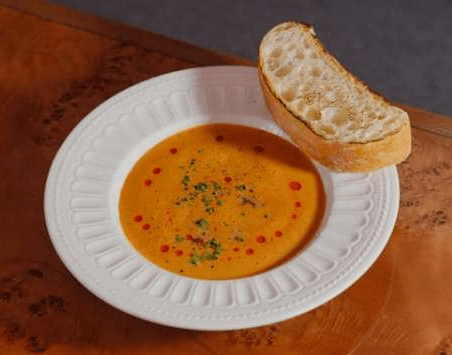
Classic Provençal fish soup with flavours of garlic, tomato and saffron pairs well with a very dry, crisp white like a Picpoul de Pinet or a strong dry Rosé. Rich crab or lobster bisques match well with white Burgundy or a Chardonnay, while clam chowder goes well with a well-oaked Chardonnay. Corn chowder, on the other hand, goes along side a dry German Riesling.

Sweet vegetable soups, such as butternut squash and pumpkin, fair well with Chardonnay, Viognier or Gewürztraminer.

Tomato soups made from fresh tomatoes go well with a crisp white wine such as a Sauvignon Blanc or an Albariño. A chilled sherry could be used as well. However, if the soup has a richer, roast or cooked tomato flavour or is mixed with roast peppers, a medium bodied Italian or southern French red or a young Rioja will work well.

French onion soup is traditionally served with French Beaujolais, Beaujolais Nouveau or a white Burgundy.

Chunky, rustic soups with beans, such as minestrone or lentil soup match well with medium bodied reds like Côtes du Rhône, a young Syrah or a Sangiovese. Chickpea soup pairs with a Chianti Classico.

Beef or lamb stew will be well complimented with a Cabernet or Shiraz. If you prefer a white wine instead, Gewürztraminer is a good choice.

Beef and barley soup matches well with a bold red wine like Zinfandel or Cabernet Franc.

Cold soups go well with light, crisp dry whites such as Albariño. Gazpacho can be paired with an unoaked white Rioja, Rueda or a Fino Sherry.

There are no hard and fast rules for pairing wine with foods. However, there are some wines that will enhance your soup better than others. Don’t be afraid to experiment with some of these suggestions but don’t be afraid to try your own.

Sláinte mhaith

Pairing Potato Chips with Wine

Photo credit: localwineschool.com

You may have seen the ads suggesting that you snack on a bag of potato chips while indulging in a glass of wine. I initially found the thought laughable but then later came across an article published by Wine Enthusiast suggesting that wine and potato chip pairings are actually a thing. Investigating further I found some statistics suggesting that 50% of Canadians eat potato chips while watching TV and that 61% of Canadians have a glass of wine with their snacks at least once or twice a month.

Potato chips pair well with wine because of the salt and fat content of the chips. Following the basic principles for pairing food flavours with wine, the following combinations complement each other:

  • Original classic flavour chips with Champagne or other sparkling wine. The sparkling wine is great at offsetting the salt and fat of the potato chips.
  • Barbeque flavoured chips with Pinot Noir or Zinfandel wine. The chips have a sweet coating that goes well with one of these fruity, crisp reds. These same wines go well with ribs brushed with real BBQ sauce.
  • Salt and vinegar chips with Pinot Grigio or Sauvignon Blanc. The sharp and tangy vinegar on the chips needs to be balanced with a fresh bright wine.
  • Sour cream and onion chips with oaked Chardonnay. The sharp, tangy chips pair well with this buttery white wine as the tropical fruit flavours and acidity contrast with the saltiness of the chips.
  • Lime and black pepper flavoured chips with Sauvignon Blanc. The crisp bright tropical notes of the wine are a good balance for the lime and black pepper flavour of the chips.
  • Balsamic vinegar and onion flavour chips with Merlot. The Merlot offsets the tangy sweetness of the chips.

There are a variety of other flavours of chips available in the marketplace, but this will provide the basic idea for pairing your favourite potato chips with wine.

Sláinte mhaith

Wine & Wings

Wings and beer are pretty much standard fare, a pairing seemingly made in heaven. When it comes to pairing drink with wings, usually the last thing to come to mind is wine. However, I am here to talk about wine, not beer, so here are some fun and interesting wine pairing suggestions for the next time wings are on the menu. The only challenge will be keeping the sticky sauce off your wine glass.

Photo credit: mapleleaffarms.com

When it comes to pairing wine with wings, it is all about the sauce. The wine needs to match the spice, heat and acid found in the wing sauces. Therefore, the wine must calm the heat, highlight the sauce’s acidity with its own acidity and complement the spiciness – a relatively easy task.

Here are some of the more typical wing varieties and corresponding wine recommendations:

BBQ

There are many varieties and interpretations of BBQ sauce. But when it comes to wings, the sauce is likely to be sweet and heavy. Such big bold sauces call for a big bold red wine, such as Cabernet Franc, Tempranillo, Zinfandel or Carménère. The intense red and black fruit you find in these wines will complement the tomatoes and spices found in BBQ wing sauce. The high tannins will offset the heat of chili and cayenne.

Savory, herbal notes found in these reds will go well with the garlic and onions in the sauce. And the wine’s dry nature will offset the sweetness of brown sugar and molasses.

Buffalo

This is a classic made from butter and hot sauce with heat levels ranging from mild to super hot. A sweeter wine such as Riesling, Vouvray or Gewürztraminer is just the thing to pair with spicier foods. The higher acidity of these wines will cut through the buttery sauce and the fatty chicken beneath.

Garlic Parmesan

The light, stone fruit flavours of Pinot Grigio will pair well with the taste of garlic and hit of flavour of the Parmesan cheese.

Honey Garlic

Sweet and savory, honey garlic wings tend to forego heat for a big aroma, along with a tangy flavour. Honey and garlic are both strong flavours so the wine needs to support the aromas and flavours. Sparkling Rosé, Crémant d’Alsace, Chenin Blanc or Prosecco will work well in this regard.

Honey Mustard

The sweet tang of honey mustard wings will go well with an unoaked or slightly oaked Chardonnay.

Jerk

Rosé is the perfect pairing for quelling the lingering heat of chicken wings coated with a peppery jerk rub.

Korean-Style

The bright acidity of a Grüner Veltliner is a great pairing for crispy Korean-style wings.

Lemon Pepper

Whether you’re trying a dry rub or a sauce, lemon pepper wings offer a light, zingy flavour that is typically less spicy. It will pair well with wines with lots of citrus flavour and acidity.  A French Sauvignon Blanc, Chablis or Dry Riesling are good choices. These wines typically have brilliant lemon aromas, along with a strong sense of minerality that will go with the hit of pepper.

Sweet Chili

Thai-inspired wings are both the sweet and the spicy. Generally, a Thai Chili sauce packs less heat than other wing sauces so an overly sweet wine is not required. An off-dry white or light red can easily offset the spice. Good wine pairings include Chenin Blanc, a sweet Riesling, Zweigelt or Pinot Gris.

Teriyaki

A light fruit forward Spanish Garnacha will complement the sweet glaze of teriyaki wings.

I strongly suggest having a glass of wine along side your next feed of finger-licking good chicken wings. It may surprise you.

Sláinte mhaith

Wine and Pasta

Wine and Pasta

Winter is a time for comfort food and one of my favourite comfort foods is pasta. When it comes to pairing a wine with pasta, the deciding factor should be the accompanying sauce, not the pasta itself because after all, pasta by itself does not have a great deal of flavour.

Photo credit: finewinemaster.com

Tomato-Based Pasta

Tomato-based sauces are high in acid and are often blended with beef or pork. Because of the acidity in tomatoes, a dry, medium-bodied red wine is recommended. Examples of red, medium-weight wines include:

  • Chianti
  • Grenache
  • Nero d’Avola
  • Primitivo
  • Rhône Blends
  • Sangiovese
  • Zinfandel

Cheese Pasta

There are a wide range of red as well as white wines that will pair well with cheese sauces. You shouldn’t feel restricted to serving just white wine with white cheese pasta. An oaked white wine will have a buttery character that will compliment the creamy sauce. Examples include an oaked Trebbiano or Chardonnay. Here are a couple of white wine options to consider:

  • Oaked Chardonnay
  • Oaked Trebbiano

Also, lighter more floral red wines will also pair well with intense hard-cheese pasta, especially if there are mushrooms or root vegetables in the sauce.   Red wine options include:

  • Chianti
  • Nebbiolo
  • Pinot Noir
  • Sangiovese

Seafood Pasta

Light-bodied white wines are the preferred pairing choice for seafood pasta. These wines will be relatively acidic, thus a good balance for creamy white sauces and fatty seafood, such as scallops, shrimp, oysters or mussels. White wine options include:

  • Chenin Blanc
  • Grenache Blanc
  • Pinot Gris / Pinot Grigio
  • Riesling
  • Sauvignon Blanc

For seafood pasta that is cooked in a tomato-based sauce, light body red wines or Rosé are a good option. Red wine options include:

  • Pinot Noir
  • Malbec

Pesto Pasta

Whether you are serving the traditional pine nut and basil pesto or another type of pesto, the focus should be on matching the green, whether it be parsley, cilantro, mint, etc. which is the centerpiece of the dish. For the most part, herbaceous wines are said to be best suited when serving pesto pasta. Herbaceous wines are those wines that have aromas and flavours like herbs such as mint, vegetables such as asparagus, freshly cut grass or tomato leaves. Wines considered to be herbaceous include:

  • Grüner Veltliner
  • Sauvignon Blanc
  • Cabernet Sauvignon

Primavera (Vegetable) Pasta

Spring onions, garlic ramps, artichoke hearts and broccolini are among the choices on which to base primavera. The objective is to highlight the springy freshness of the vegetables; thus, it is often best paired with a light-bodied white wine with lemony and floral notes. However, if the pasta has major vegetable intensity, it needs to be matched with an equally savory white wine. White sauce wine options include:

  • Pinot Gris / Pinot Grigio
  • Riesling
  • Sauvignon Blanc
  • Vermentino

If tomatoes are a major component of the primavera, a light-bodied acidic red wine would be a better choice. Tomato sauce wine options include:

  • Cabernet Franc
  • Pinot Noir
  • Rosé

No matter which type of pasta you fancy, one of the corresponding wine options will compliment your meal.

Sláinte mhaith

Dinner for the April Long-Weekend

Photo credit: lcbo.com

With COVID restrictions lifting, friend and family gatherings are once again permissible.  In the event you are planning to host a spring celebration, here are some of the standard menus that have been paired with complimentary wines.

Roast Beef

The reds from Bordeaux France are a good match for the robust flavour of roast beef.  Bordeaux consists of a blend of Merlot, Cabernet Sauvignon, Cabernet Franc, and often lesser amounts of Petit Verdot, Malbec and sometimes Carmenère.  Chianti or Cabernet Sauvignon will also pair well.  Younger wines will have more tannins and fuller flavour so they will be better suited for to stronger cuts of beef.

Baked Ham

Pinot Noir is typically paired with glazed baked ham as its supple flavour will not overpower the ham while its fruitiness will offset the saltiness of the meat.  Smoked ham will pair well with a Grenache, French Syrah, or even a California Zinfandel.

Roast Lamb

The stronger flavour of lamb will overwhelm the gentler wines so it is better suited to bolder reds such as a Spanish Tempranillo, South American Malbec or Australian Shiraz.

Salmon

The oily richness of salmon needs to be complimented by a wine containing sufficient acidity. One of the most classic pairings for salmon is Pinot Noir or a French red Burgundy wine.  However, Grenache, French Beaujolais, Chardonnay, French White Burgundy, Torrontés, Sauvignon Blanc or Dry Rosé will work equally as well. 

Turkey

Turkey has been traditionally served with white wine, however there are some reds that will compliment your dinner equally well.  If you choose a white, a dry Riesling will work well.  The alternative is to select a Pinot Noir or a French Burgundy.  All of these wines have enough acidity while not overpowering the turkey.

Final Thoughts

No matter what you are serving on the holiday weekend, most importantly take this opportunity to enjoy the company of friends and family as we don’t know what new COVID variant and restrictions lurk around the corner.

Sláinte mhaith

Wine and Chocolate

With Easter approaching my mind thinks of chocolate. And when I think of chocolate I think of enjoying it with a glass of red wine, one of my favourite combinations.

Wine and chocolate have a lot of similarities; they’re both considered aphrodisiacs and they both contain flavanols (antioxidants). Despite these striking similarities, it’s important to note that all wine and all chocolate don’t pair well together as the levels of flavanols may end up clashing against each other on your tongue.

Pairing food and wine is subjective and there is often disagreement as to which wine pairs well with chocolate.  Some things to consider are:

  • The type of chocolate, whether it is white chocolate, milk chocolate or dark chocolate.  White chocolate and milk chocolate are often easier to match than dark chocolate.

  • Whether the food pairing is a hot or cold dish.  Cold dishes are often more wine-friendly.

  • Any other ingredients that are on the plate.  

  • Generally, the more full-bodied the red wine is, the higher percentage of cacao (the darker the chocolate) you can pair it with.

For the best tasting experience, begin with a small sip of wine. After a few seconds, take a bite of the chocolate, allowing it to melt and warm up on the palate. Then, take another larger sip of wine and enjoy.

Although I enjoy pairing full-bodied red wines with chocolate, many people do not.  It is a matter of personal preference. For some the wine needs to be sweeter than the dessert.  These individuals will find that lighter dessert wines such as Sauternes, Riesling and Moscato work best with lighter chocolate desserts, and richer ones such as Tokaji and fortified wines with darker, denser ones.

Here are some suggestions when pairing chocolate and wine:

To keep things simple, start with a wine that is slightly sweeter than the chocolate or chocolate-themed dessert. To prevent the two flavours from fighting for dominance, let the wine bow to the chocolate in the form of a slightly sweeter wine partnered up with the chunk of chocolate.

Tried and true “sweet” wine options that cover a wide range of chocolate partners include: Port, Madeira, Pedro Ximénez Sherry, and Grenache-driven Banyuls, as well as several late harvest wine options, and some sweet sparkling wines like Italy’s Brachetto d’Acqui or Moscato d’Asti.

Opt for a similar style and weight between the chocolate and the wine. Try to match lighter, more elegant flavoured chocolates with lighter-bodied wines.  Similarly, the stronger the chocolate the more full-bodied the wine should be. For example, bittersweet chocolate tends to pair well with California Zinfandel or Cabernet Sauvignon.

The darker the chocolate the more dry, tannin texture it will display. However, when you pair this darker chocolate with a wine that also contains a lot of tannins, the chocolate will often overshadow or cancel out the wine’s tannins on the palate and allow more of the fruit to show through.

If you will be tasting several varieties of chocolates, begin with the light white chocolate, move to milk chocolate and end with dark chocolate. Just like when conducting a wine tasting, you will keep your palate from starting on overdrive and missing out on the subtle, sweet sensations found in more delicate chocolate choices.

Wine and Chocolate Pairings

White Chocolate

White chocolate isn’t technically a “true” chocolate because it doesn’t contain cacao.  It tends to be more mellow and buttery in flavour that pairs well with the sweeter styles of Sherry  and the sweet, subtle bubbles of Italy’s Moscato d’Asti.

Other options to pair white chocolate with are:

  • Pinot Noir
  • Beaujolais
  • Ice Wine
  • Late Harvest wines
  • German Riesling
  • Rosé Port
  • ​Zinfandel.

Milk Chocolate

A good milk chocolate is usually about half chocolate and half cream. The fat from the cream makes milk chocolate one of the easiest chocolates to pair with wine.  The ripe, red fruit and often lighter body of a Pinot Noir or a medium-bodied Merlot will work well with the smooth character and cocoa butter components of milk chocolate, a creamy chocolate mousse or chocolate accented cheesecake.

Riesling, Muscat or the range of notable dessert wines tend to also pair well to milk chocolate. On the other hand, sparkling wine or champagne goes well with milk chocolate-dipped strawberries. Ruby Port also makes a great pairing with many kinds of milk and dark chocolate choices.

Dark Chocolate

The polyphenols in dark chocolate mirror those in wine and give both a somewhat bitter taste. It’s also the part of the chocolate that gives you all the health benefits. The bitterness in dark chocolate is what makes wine pairings a challenge.

Dark or bittersweet chocolate (chocolate containing a minimum of 35% cocoa solids) requires a wine that offers a fuller body, robust aroma and intense bold fruit flavour.

Zinfandel with dense fruit, energetic spice, and higher alcohol works well with dark chocolate. The bold structure of Cabernet Sauvignon pairs well for the decidedly drier style of dark chocolate.

Pinot Noir or Merlot also pair well with dark chocolate that contains around 55% cocoa. The full-bodied flavours of Grenache grapes often have their own chocolate nuances. Fortified wines like Tawny or Vintage Port also complement a dark chocolate dessert or truffle.

Chocolate in Combination

Since chocolate isn’t always a solo item, here are pairings for some common chocolate combinations:

Chocolate with sea salt may be combined with a white wine pick like a sweet-styled Late Harvest Gewürztraminer or a fruit-driven Zinfandel or even a fortified Malmsey Madeira.

Chocolate with nuts, including peanut butter cups, could be paired with Madeira, Tawny Port or Oloroso Sherry.

Chocolate with caramel may be combined with Madeira, Tawny Port, Sherry, Vin Santo, Muscat de Beaumes-de-Venise, or sweet sparkling wines.

Chocolate with mint can be paired with Cabernet Sauvignon, Cabernet Franc, Shiraz, Moscato d’Asti, or some sweet dessert-style red wines.

Chocolate cake will pair with Madeira, Port, Sherry, Vin Santo or Shiraz.

Final Thought

Personal tastes vary from person to person and a wine and chocolate partnership that works well for one may not find favour with another. However, with a bit of flexibility and experimentation, you are sure to find remarkable wine and chocolate pairings that will work well for you.

Sláinte mhaith

Cheese Pairings

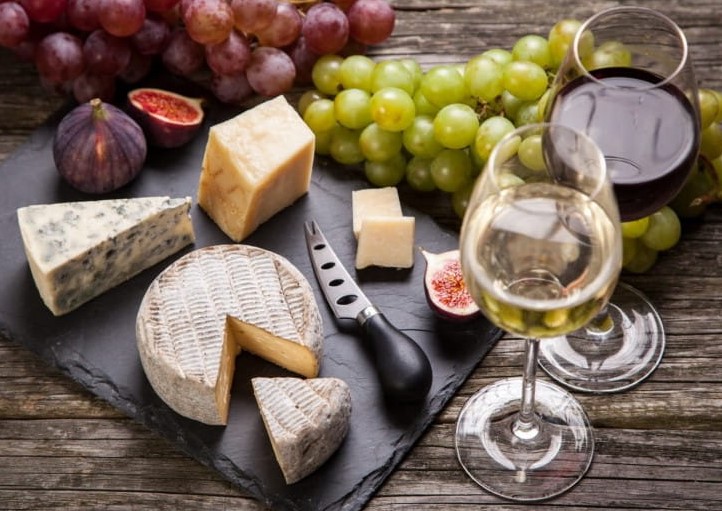
Wine and cheese are two of my culinary pleasures, and finding a good match can be a delicious endeavor. As with any wine and food pairing, there are a number of considerations such as texture, acidity, fat and tannin.

The first thing to decide is whether you want to give the starring role to the wine or to the cheese. If it’s the cheese, pick a wine with less character that will complement it. If you want the wine to be the star, select a cheese with less forcefulness.

Cheeses can be divided into six categories:

Fresh Cheese

These are soft rindless cheeses that are made with cow, goat or sheep milk. They’re not aged and have a mild, slightly tangy flavour.  Cheeses considered in this category include:

  • Mozzarella
  • Burrata
  • Chèvre (goat)
  • Feta
  • Ricotta
  • Mascarpone
  • Stracchino
  • Boursin
  • Very young Selles sur Cher

Wine pairings with fresh cheeses include:

  • Crisp, dry and young white wines such as:
    • Albariño Soave
    • Pinot Blanc
    • Muscadet
    • Vermentino
    • Verdejo
    • Arneis
    • Sauvignon Blanc
    • Young Chardonnay
  • For salty cheeses like Feta, off-dry whites such as:
    • Gewürztraminer
    • Riesling
  • Very young, fruity, unoaked red wines such as:
    • Loire
    • Cabernet Franc
    • Pinot Noir
    • Gamay
    • Valpolicella
  • Crisp, dry rosé.

Bloomy Cheese

These cheeses are named for the bloom of white mold that they are contained within. They tend to be the richest and creamiest type of cheese, with a soft, spreadable texture. The rind is edible, and it has a stronger flavour than the inside.

Bloomy cheeses include:

  • Brie
  • Camembert
  • Robiola
  • Chaource
  • Coeur du Neufchatel
  • Crottin de Chavignol (goat)

Wine pairings with fresh cheeses include:

  • A variety of white wines including:
    • Dry, traditional-method sparkling wines
    • Light-bodied, dry, unoaked Chardonnay (Chablis)
    • Dry, light-bodied Sauvignon Blanc (Sancerre)
    • Dry young Riesling
    • Dry Chenin Blanc (Vouvray)
    • Grüner Veltliner
    • Semillon or white Rhône varieties such as Châteauneuf-du-Pape Blanc
  • Dry and light-bodied red wines that are young, fruity and unoaked such as:
    • Pinot Noir
    • Dolcetto
    • Barbera
    • Gamay
    • Cabernet Franc

Washed Rind Cheese

These are cheeses that are soaked in brine, beer or wine that produce an orange rind. They are rich and creamy, and will be of soft or semi-soft texture.

Examples of washed rind cheese include:

  • Fontina
  • Epoisses
  • Reblochon
  • Taleggio
  • Langres
  • Chaume
  • Livarot
  • Munster
  • Vacherin de Mont d’Or

Wines that compliment washed rind cheese include:

  • White wines such as:
    • Dry, traditional-method sparkling wines
    • Dry and off-dry, unoaked white wines like:
      • Gewürztraminer
      • Pinot Gris
      • Chenin Blanc
    • Dry, structured whites such a:,
      • Marsanne
      • Roussanne
      • Semillon
      • Riesling
  • Red wines such as:
    • Beaujolais Villages
    • Pinot Noir
    • Poulsard
    • Trousseau

Semi-Soft Cheese

Semi-soft cheeses are not spreadable nor do they break in shards like a hard cheese. They tend to be creamy with a fairly mild flavour. Many are excellent to melt and perfect to slice. Some cheeses like Gouda are semi-soft in younger styles, while when aged, their texture turns hard.

Included in this category are such cheeses as:

  • Gruyère
  • Gouda
  • Havarti

Wine pairings include:

  • Slightly oaked white wines such as:
    • Chardonnay
    • Pinot Gris
    • Rioja
  • Gently oaked red wines such as:
    • Côtes de Rhône
    • Corbières
    • St-Chinian
    • Chianti
    • Mencía
    • Young Bordeaux blends

Hard Cheese

These cheeses are aged and are quite firm and crumbles or breaks into shards. They tend to have nutty and complex flavours. Some are fairly pungent and salty.

Cheeses included in this category are:

  • Cheddar
  • Double Gloucester
  • Parmesan
  • Pecorino
  • Manchego
  • Grana Padano
  • Beaufort
  • Cantal
  • Emmenthal
  • Sbrinz
  • Comté

Wine pairings for hard cheese include:

  • White wines such as:
    • Vintage traditional-method sparkling wines
    • Amontillado Sherry
    • Palo Cortado Sherry
  • Red wine pairings include bold wines with some age:
    • Nebbiol0
    • Sangiovese
    • Aglianico
    • Rioja
    • Bordeaux blends from cooler climates

Blue Cheese

Veins of blue mold run through these cheeses. They can be soft and creamy, or semi-soft and crumbly. Some are sweeter and milder, but all contain a fair amount of sharpness and tang.

Blue cheese varieties include”

  • Cambozola
  • Danish Blue
  • Gorgonzola
  • Roquefort
  • Stilton
  • Fourme d’Ambert
  • Bleu d’Auvergne
  • Cabrales

Wine pairings to coincide with blue cheese include:

  • White wines such as:
    • Noble Rot sweet wines like:
      • Sauternes
      • Barsac
      • Monbazillac
      • Riesling Beerenauslese
      • Trockenbeerenauslese
      • Quarts de Chaume
    • Dessert wines from dried grapes:
      • Vin Santo
      • Jurançon
      • Recioto de Soave
    • Late-harvest wines:
      • Riesling Spätlese
      • Gewurztraminer Vendanges Tardives
  • Sweet fortified red wines such as:
    • Vintage Port
    • LBV Port
    • Maury
    • Banyuls

If all of this is too mind boggling and you want just one wine to match any cheese the experts suggest choosing one of either Amontillado Sherry, Rivesaltes, tawny Port or Madeira. They complement any cheese as they are not too delicately flavoured.  All of these wines are considered to be crowd-pleasers.

Sláinte mhaith

Wine and Eggs

If you listen to the ads on television, eggs are no longer just for breakfast and thus could be enjoyed with a glass of wine beyond the traditional mimosa, which is champagne and orange juice.

There’s a reason why mimosas are a brunch mainstay. Dry sparkling white wines like Champagne, Cava, and Prosecco are the number-one pick for any egg-based dish. Eggs, particularly the yolks, are rich and coat your palate with their savory flavor, which means their flavour lingers when you take a sip of wine. That makes the wine taste a little funny; maybe bitter or metallic or it’s difficult to taste at all. Sparkling wines, however, have that effervescence that actually cleans out your palate. They also tend to have high acidity, which does the same thing, as well as cuts through the natural richness of eggs. So that lingering egg yolk washes away and you can taste the wine again.

Below is an assortment of egg dishes that have been paired with a complimentary wine for enjoyment as a lunch or dinner entree.

Quiche Lorraine

Quiche Lorraine is the original form of quiche, from the French region of Lorraine. It is an open savory pie, filled with a cream and egg custard, and usually containing pork in one form or another, often bacon.  Quiche pairs well with Riesling.

Classic Rancher’s Meal

The Classic Rancher’s Meal consists of eggs, potatoes, pork (ham, sausage or bacon), and toast.  The combination, with the exception of the toast, is fried in a skillet.  Due to the nature of this fried meal, it is best paired with a Sauvignon Blanc.

French Toast

Chenin Blanc is a White wine grape variety from the Loire Valley of France. It is high in acidity to help cut the sweetness of French Toast with maple syrup.

Eggs Benedict

Eggs can be poached on the stovetop or in the microwave, and then set on English muffin halves topped with a slice of back bacon and a spoonful of creamy Hollandaise sauce. Chardonnay or Rosé will pair well with this rich delicacy.

Breakfast Sandwich

This ham, egg, and cheese sandwich on toasted bread or an English muffin pairs well with Lambrusco which is one of the oldest wines of Italy.  It dates all the way back to the Bronze Age. 

Huevos Ranchero

Huevos rancheros, or “ranchers’ eggs”, is a classic Mexican breakfast. Fried eggs are nested in a bed of refried beans, sour cream and salsa and served atop a warm tortilla. Try adding a bit of your favourite hot sauce for a touch of heat.  Pair with a Gamay.

Whatever egg dish you choose, there will be a wine that will pair well with it.

Sláinte mhaith