Inter-Provincial Wine Sales

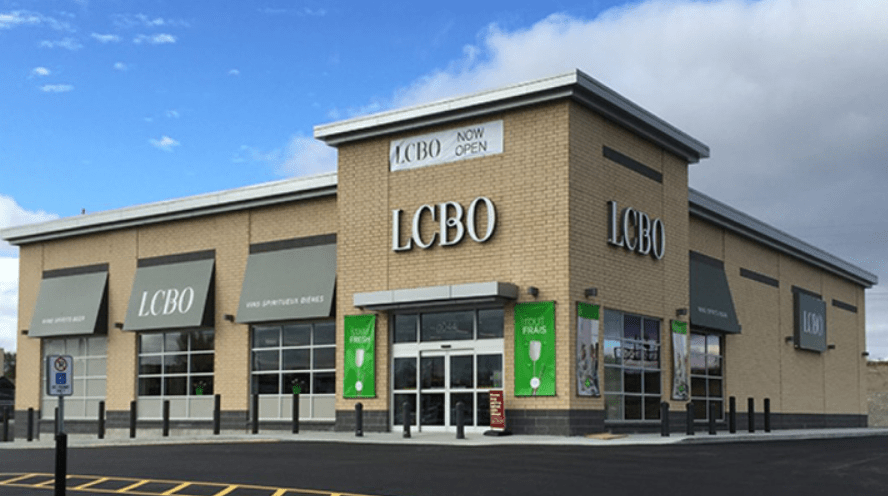
Given all of the recent tariff talk and the renewed patriotism that has come as a result of it, some interesting points have come to light regarding wine sales between provinces. Many Canadians are now avoiding U.S. made products, including wine. As a result, there are now signs of an increased need to support Canadian wineries and renewed calls to open inter-provincial trade in alcohol. However, there are inter-provincial trade barriers standing in the way.

Photo credit: LCBO

Until June 2019, federal legislation prohibited inter-provincial shipment of alcohol directly to the consumer.  This then allowed the provinces the opportunity to pass legislation to permit direct purchase to consumers.  Unfortunately, most provinces chose not to allow this, leaving only British Columbia, Manitoba, Nova Scotia and Saskatchewan who permit direct-to-consumer alcohol shipments.  Ontario has recently amended its laws to prohibit the possession of wine that has been imported from other provinces unless the transaction was handled via the Liquor Control Board of Ontario (LCBO). There are now calls to have this ban lifted.

Ontario wine consumers cannot support small local wineries in another province.  Ironically, living in Ontario and purchasing wines produced in another province, the LCBO charges the purchaser the same import duties as if the wine came from a foreign country.

The wine growers of B.C., as well as the B.C. government are advocates of opening provincial borders to enable wine to move east and west across this country. There is a great deal of regulatory burden making it difficult for small and medium-sized wineries. The process needs to be simple and streamlined.

The time has come for Canadian provinces to eliminate inter-provincial trade barriers.

Sláinte mhaith

Wine Barrels

Is the best wine made using French oak barrels or American oak barrels? The answer depends on who is answering. I would be amiss if I didn’t mention that there are also Hungarian oak and Romanian oak but these oaks are seldomly used in making wine.

Photo credit: bodegaspaniza.com

Oak can play a crucial role in the winemaking process. It is a long-known fact that not just any wood will do when it comes to aging wine. Oak has been the choice for centuries. Due to the natural wood compounds, aging wine in oak barrels exposes complex flavours and textures that are crucial to the overall taste and structure of a wine. There are natural wood sugars in the oak that influence the wine’s flavour. The wine’s texture can be enhanced from tannins found in the oak.

French Oak is known by winemakers for its subtlety. These trees have tighter grains that deliver lower amounts of tannin that are more readily integrated into the wine. This wood is also more aromatic, producing delicate notes of dark chocolate, roasted coffee beans, vanilla and baking spices to the wine.

American Oak presents more robust flavour profiles introducing bold vanilla notes along with coconut, sweet spices and dill. The wider grain patterns of American oak also injects more tannins into the wine.

French Oak lets wine age gracefully over time. The wine will evaporate less from barrels of French oak than American oak, thus producing a naturally slower oxidation. On the other hand, American oak will often go through a more rapid oxidation process in the barrel.

When it comes to price, American oak is less expensive to purchase. This is due to it being more readily available than French oak. However, French oak produces a more luxurious wine, making it well worth the higher price tag.

So, which wines work best with French oak versus American oak? Chardonnay flourishes when aged in French oak barrels because the French oak releases delicate vanilla undertones into the flavour of the wine.

Pinot Noir also benefits from the use of French oak. This light-bodied red grape works well with the lower tannin content inherent to French oak. It allows for slow maturation without overwhelming Pinot Noir’s naturally elegant profile.

In contrast, bold reds such as Zinfandel often get paired with American oak. The intense notes of coconut and sweet spice from the American oak can complement the robust nature of these types of wine.

Wines such as Cabernet Sauvignon, Merlot or Syrah can work well with either French or American oak, depending on the winemaker’s desires. European winemakers tend to use French oak while American winemakers and some Australian vintners may use American oak. It all comes down to the desired style of the wine.

Many winemakers use both types of barrels or blend wines aged separately. It lets them control flavour profiles more precisely. The type of barrel used, or combination of barrels used will depend on the flavour notes the winemaker wants to achieve.

Sláinte mhaith

Sommeliers – The Stuff-Shirt Approach is Changing

The way in which wine experts and sommeliers approach wine with their customers is changing. There is movement away from the traditional style of introducing a wine, explaining its character, aromas and flavours. The wine industry is recognizing that this change has become necessary as the younger generations, particularly Gen Z, do not embrace wine as enthusiastically as previous generations. This is resulting in a reduction in wine sales.

Photo credit: sommelierschoiceawards.com

There is a new group of forward-thinking sommeliers who are working to change the way wines are described when tasting and pairing. The aim is to make the industry more inclusive to the younger generation. Everything from the vocabulary used to describe flavours, to the way bottles are marketed and how wine is discussed culturally needs to change.

The traditional way of ordering wine in restaurants has often been fraught with fear by many patrons. The image of an intimidating snooty sommelier, who comes across as testing the depth of the customer’s wine knowledge and skill, is a potential embarrassment in the presence of the person’s date, spouse, family or friends. Many are left wanting the encounter to be over as quickly as possible and without feeling that they have embarrassed themselves and have selected a wine that they like without having to pay an exorbitant price.

The new generation sommeliers want the emphasis to be about creating an experience that makes the guest feel comfortable rather than fearful. Their approach is becoming directed toward how the customer is feeling and asking what they feel like drinking. The focus is on personal interaction; it’s not about the incomprehensibly complex tasting notes of the wines.

Certification of sommeliers has helped standardize baseline wine terminology and language, but it is now important to progress beyond that to provide more approachable and easier understood language for the public.

A new generation of writers, sommeliers, podcasters and influencers are beginning to challenge the traditional approach to understanding and selecting wine. Social media is playing a key role in interpreting wine due to young influencers like Wine Gini, The London Wine Girl or Carron Brown’s The Natural Sommelier. Individuals can now learn about wine in the unintimidating surroundings of their own home.

It is good to see that the wine industry’s image is beginning to change as the new generation of writers, sommeliers, podcasters and influencers are now challenging the old snobby, snooty stereotype.

Sláinte mhaith

The Ten Best

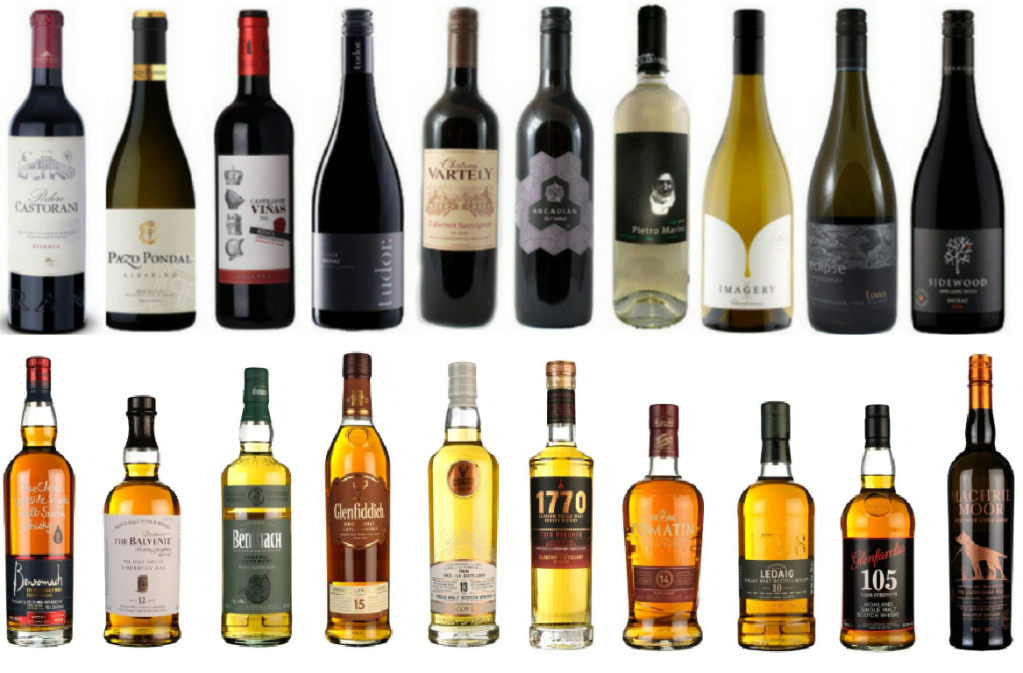
I am always seeing articles about ‘TheTen Best this’ or a list of ‘The Best that’. When I read those articles I am always left with the question, “What makes these ones the best? To me beauty is in the eye of the beholder. Whether it be whisky or wine, I have tasted some that I love and others that are so-so, or even worse, that I detest. Just because someone tells you this one is fantastic doesn’t mean that you will agree. Does this mean you are less learned than the author or lacking in your ability to recognize great flavour? Absolutely not. After all, what makes the author’s opinions any better than our own? Nothing.

Another thing I find interesting is that often many of the selections found on these lists are not available in Canada and many are not even accessible to order via the internet. Thus, the information becomes basically useless. It would be like searching for a unicorn.

Lastly, the price point on some of these choices is out of reach for many as prices may reach well into four digits to obtain a bottle of the golden nectar. In my opinion, a steep price doesn’t automatically equate to it being a fantastic wine or whisky. It only means that it is expensive. A high price is better equated to the economic and production factors associated with making the wine or spirit.

To me these articles provide mere opinions and are nothing more than casual reading entertainment. I find it interesting to compare these lists to see whether there are any that I have tried. Of those that I have tasted, I compare the writer’s opinion to my own. If there is agreement, then I am more interested in what the writer has to say since there is then a stronger likelihood that we have similar tastes.

Sláinte mhaith

The Serving Temperature of Wine

Is taking the time to serve wine at the proper temperature worth the fuss? Absolutely! Temperature can significantly impact the way a wine smells and tastes. Cooler serving temperatures can suppress the aromatics of a wine and accentuate its structure, making the acidity more noticeable, but also enhancing the wine’s tannins and bitterness. Therefore, aromatic wines, such as Sauvignon Blanc, Riesling and Gamay benefit from being chilled. These wines have the necessary strength to persist through cold temperatures.

Photo credit: empirecool.com

On the other hand, wines having high levels of tannin, including many orange and red wines, are best served at a higher temperature as chilling them can make them unpleasant to drink.

Generally speaking, there is a range of proper serving temperatures for wine. Most red wines should be served at a temperature that is slightly cooler than room temperature, that is between 15 and 20°C. White wines should be served at a temperature slightly warmer than fridge temperature, that is 7 and 12°.

Below are some basic guidelines to follow when serving various types of wine.

Sparkling, Light-Bodied White Wines and Icewine – Serve ice cold between 3 and 10°C. This can be accomplished by placing the bottle -0n ice or in the freezer for about 30 minutes.

Full-Bodied White, Late Harvest and Rosé Wines – Remove from the fridge a few minutes prior to serving. Serve at a temperature between 7 and 12°C.

Light and Medium-Bodied Red Wines and Orange Wines – Serve at a temperature between 12 and 15°C.

Bold Red Wines – Place in fridge for about 20 minutes prior to serving. The temperature should be between 15 and 20°C.

Don’t be afraid to experiment on your own to find the temperature that best suits your palate. If you have never tried drinking wine at the recommended temperature, give it a try; otherwise you will never know the experience you may be missing.

Sláinte mhaith

Varietal Wine Glasses

Last week I began the discussion on wine glasses. Now I will turn the discussion to the specific types of glasses used for the various varietals of red and white wine.

White Wine Glasses

Having short bowls and long stems, these glasses are perfect for capturing the bright acidity in white wines. The glasses are smaller than red wine glasses, with a less curved bowl and a much narrower opening. White wines don’t require as much space to breathe as reds, and these glasses help deliver subtle aromatics by bringing the wine closer to your nose. There are specific white wine glasses that are designed to enhance full-bodied white wines and those that work best with high-acid wines. 

Chardonnay Wine Glasses 

White varietals like Chardonnay are best served in a Chardonnay glass. The u-shaped bowl and long stem help the wine’s notes to shine and keep the warmth of your hand away from the bowl. A Chardonnay glass works well with other full-bodied whites such as Viognier, Chenin Blanc, Trebbiano and Sémillon. For oaky Chardonnays, a Pinot Noir wine glass may also be used.  

Sauvignon Blanc / Riesling Wine Glasses

Sauvignon Blanc and Riesling wines can be served in the same style of glass. The mid length stem and the narrow bowl will taper slightly. The smaller bowl makes it easier to enjoy the aromas in the wine.

Dessert / Port Wine Glasses

Dessert wine glasses are available in many shapes and sizes, but they tend to be much smaller than standard wine glasses, as these high-alcohol wines are commonly served in two-ounce pours. These glasses will strengthen the aromas and flavour of dessert wines. 

Champagne Flutes

Tall and thin, the traditional Champagne flute is generally a visual sign for a celebration. With a small surface area, streamlined straight lines and sturdy base, these glasses help preserve the rising bubbles in Champagne, Sekt, Cava and other sparkling wines. The design helps keep the wine’s bubbles at the base of the glass. 

Red Wine Glasses

The overall height and bowl of red wine glasses are larger than those used for white wine. The shape and thickness of a glass influences the aromas, tastes and textures in the wine. The wide bowls on red wine glasses are ideal for swirling, aerating and smoothing the wine, similar to what a decanter would do. This allows the fruity, floral and minerally aromas and flavors to soften, creating a balanced wine tasting experience. 

Cabernet Sauvignon / Bordeaux / Merlot Glasses

Bordeaux glasses are designed to enhance full-bodied red wines such as Cabernet Franc, Cabernet Sauvignon, Merlot and Bordeaux blends. These glasses are a good match with tannic wines that are often higher in alcohol. The tall bowls and tapered rims round out the flavour intensity and increase alcohol evaporation.

Syrah / Shiraz / Sangiovese / Malbec Glasses

This style is shorter than the Cabernet Sauvignon type glass and has a smaller bowl, designed for medium to full-bodied red wines. The wine’s flavour and spice are softened because the wine hits your palette more gradually due to the smaller opening. The narrower bowl is more tapered to help trap the aroma.

Pinot Noir / Burgundy Wine Glasses

Pinot Noir/Burgundy glasses are perfect for light-bodied reds but are also good for Rosé and oaked Chardonnay. A Pinot Noir glass has a shorter stem and very wide bowl and slightly tapered rim that softens the acidity and tannins. This enables aeration so the delicate floral aromas of the wine can be appreciated. 

Universal Wine Glasses

Most glassware manufacturers offer grape and regional specific wine glasses designed for specific styles of wine. This is great if your preferred choice is one style or grape varietal. However, this is not so good if you don’t just like one type of wine. In this situation, a universal wine glass may be a better option, especially if you only want to have a single type of wine glass in your cupboard.

Also, for people just getting started, universal wine glasses are a good investment. These glasses do a reasonable job of balancing the aromas and flavour of most types of wine. They are characterized by having medium-sized bowls, stems and bases, making them versatile, regardless of the varietal or occasion. They are good for serving red, white and sparkling wines. 

Stemless Wine Glasses

Despite the risk of warming the wine with the heat of your hand, stemless wine glasses are a good practical option for everyday use and casual gatherings. Having a universal bowl, these glasses are often a good choice when there are young children or active pets around, reducing the likelihood of both spillage and breakage. 

Sláinte mhaith

Wine Glasses

The vessel from which we devour the sweet nectar of the gods – wine – is an important component of the overall experience. The correct shape and style of the glass ensures that we experience the wine’s full and uninhibited aroma and flavour. The experts agree that using a glass made for the varietal that you are drinking is important if you want to taste and smell all the complexities and intricacies of the grape’s character. Varietal-specific glasses are designed to accentuate the fruit character and structural components of the wine to allow for full enjoyment.

Photo credit: travelmedford.org

There are two different types of wine glasses, stemmed and stemless. There are four parts to every stemmed wine glass, three parts to a stemless one. The similarities and differences are described below.

The rim is the uppermost part of the bowl on both types of glasses. The thickness, shape and size of the rim controls how quickly and smoothly the wine flows out of the bowl into your mouth and where in your mouth the wine first makes contact.

The bowl is attached to the top of the stem on a stemmed wine glass. The bowl enables the wine to be swirled, allowing aeration of the wine and permitting for the release of subtle nuances in the wine which would otherwise remain hidden. With white wines, a smaller bowl maintains vibrancy and freshness in the wine while for big bold red wines, a large bowl moderates the high tannin and alcohol content, to allow the complex flavour and characteristics to be distinguished. 

Next, on a stemmed glass the stem connects the bowl to the base. The stem is a thin piece of glass that helps keep the warmth, oils and scents from your hand away from the wine. It also aids in enabling the wine to be swirled. The length and thickness of a stem varies depending on the type of wine glass for the varietal the glass is designed for. Because of the body heat factor, I use only wine glasses that have a stem. However, it is now possible to obtain double-walled stemless wine glasses which help to insulate the wine from the heat of your hand. However, these glasses don’t appear to be available in a variety of bowl types.

Finally, the base of the glass provides stability. Bases come in various shapes and sizes, depending on the overall design of the glass. Stemless wine glasses are not constructed with a base. Their bowls rest directly on a flat surface.  Because the stemless glass does not stand as high as a stemmed glass it does have the benefit of being more stable and there is less likelihood of it being knocked over.

Next week I will continue the discussion on glasses, examining the variation in glasses by the type of wine each is intended for.

Sláinte mhaith

String Wine

While dining in a restaurant in Paris earlier this year I came across something that I had never seen before – being able to purchase wine by the portion of the bottle that you consume. The server provides you with your choice of a bottle of French red or white. The bottle comes with a string tied around the neck that then drapes down the length of the bottle. There are knots in the string to indicate 12, 25, 37, 50, 62 and 75 centilitres of wine.

This is referred to as, “à la ficelle”.  It is a very practical approach to purchasing wine when you don’t want to consume a whole bottle but desire more than a single glass.

Although the concept of ficelle wine has only started to become popular in restaurants in recent years, the concept dates all the way back to the 15th century. According to legend, it was an Auvergne innkeeper by the name of Gaultier who, in the 1400s, ​​used a piece of string to determine how much wine his customers drank.

During that time wine was served in earthenware or pewter pitchers. The innkeeper used an evenly spaced knotted rope to determine the quantity of wine his patrons had consumed. The distance between each knot represented 25 centilitres of wine.

With the current trend where people are reducing their wine consumption, the concept of string wine is becoming more popular. Less restaurant patrons are purchasing wine by the bottle and instead 20% now favour wine by the glass while 12% now prefer the wine by string concept.

Sláinte mhaith

Aging and Wine Vintage

Before I begin let’s be clear on what ‘vintage wines’ are. Vintage wines are wines that are produced from grapes harvested during a single growing season as opposed to non-vintage wines, which can be produced from grapes grown in two or more growing seasons.

Photo credit: stlukes-glenrothes.org

Vintage wines that are cellared go through ongoing chemical effects that will continue until a bottle is uncorked. These outcomes are the result of continuous interactions between the wine’s alcohol, sugar and acid compounds, which combine in the bottle to create new complex flavours, textures and aromas. However, these results are not random. Skilled winemakers understand the chemistry behind aging wine and will manipulate the cellar environment to encourage various flavours and aromas that result in an appealing good vintage.

During cellaring the varietal’s natural flavours do not significantly change. A wine’s primary flavours will always be preserved regardless of cellaring timelines. These flavours are a result of the grape varietal and the conditions the grapes grew in.

However, aging a vintage varietal will affect the secondary and tertiary flavours and aromas. Both notes result from the winemaker’s techniques as well as the chemical interactions between a wine’s natural compounds. These activities define an aging wine.

White wines, especially dry whites like Sauvignon Blanc or Chardonnay, tend to become oily, heavy and stickier over time. Red wines, particularly those with naturally high tannin levels such as Nebbiolo, Syrah or Cabernet Sauvignon, tend to soften with time. This creates sediment that collects at the bottom of a bottle. As a result, the wine becomes smoother and less sharp, resulting in a gentler drinking experience.

The final characteristic affected by aging wine is colour. To see if a red wine has been properly aged, first look at the outer edge where the poured wine meets the glass. At that meeting point, which is referred to as the rim, the wine will appear lighter in colour. A young red wine, on the other hand, will have a rim that appears murky or opaque.

As red wines oxidize with age, their colours often change to deep shades of ruby-purple to softened mauves and then finally to tawny, deep browns. As white wine ages it tends to move from paler, straw-yellow shades to deeper golden hues. White vintages aged three or more years can eventually darken to the point of turning a golden amber color.

These changes in colour are the result of oxidation. When a wine bottle is properly sealed the only oxygen in a bottle will be the small amount trapped in the bottle’s neck, as well as what little oxygen passes through the cork or seal. Most cellared red and white vintages will be sealed with a traditional cork, which allows minimal oxygen to permeate. However, given that cork is itself a natural non-uniform product, oxygen permeation will vary significantly even between bottles cellared and cased at the same time.

Not all wines are created with the ability to be aged. The wine maker’s notes are often a good indication of a wine’s aging capability. Red wines that generally age well include:

  • Bordeaux and Loire Valley Cabernet Franc, aged 2 to 4 years
  • Chianti Riserva, aged 2 to 4 years
  • Petite Syrah, aged 2 to 5 years
  • New World Nebbiolo, aged 2 to 6 years
  • Australian and Californian Grenache, aged 2 to 10 years
  • Italian or Californian Cabernet Sauvignons, aged 3 to 15 years
  • Italian Barolo, aged 3 to 15 years

White wines with aging capability include:

  • Dry White Bordeaux, aged 2 to 3 years
  • Alsace Pinot Gris, 2 to 5 years
  • White Rioja, aged 2 to 5 years
  • Alsace Gewürztraminer, aged 2 to 10 years
  • Californian Fume Blanc, aged 2 to 10 years
  • New Zealand Sauvignon Blanc, aged 3 to 10 years
  • Australian Chardonnay, 3 to 10 years
  • German Riesling, 3 to 15 years

These lists are only a suggested guideline, not an exclusive list.

Sláinte mhaith

Vintage versus Non-vintage Wine

On the surface, the difference between vintage and non-vintage wines is simple. Vintage wines are made from grapes harvested during a single growing season, while non-vintage wines can blend a few different harvests. Non-vintage wine, sometimes referred to as stylized wine, is where the winemaker often aims to match the flavour of the wine to be the same as previous years. On the other hand, vintage wines are based on the characteristics of the vineyard and climate. Due to climatic conditions, some years produce wines that are considered better than others.

Photo credit: vinepair.com

Finding a bottle’s vintage is relatively straightforward. Simply look for the year printed on the label of the bottle. This tells you when the grapes were grown and the wine produced was made. Wine labels containing the description “single vintage” indicate that the wine was produced exclusively from grapes from a single harvest. Depending on the producing country, that ratio must be comprised of 75% to 95% of same-crop grapes. As long as a producer abides by that percentage, they can label their bottle as vintage.

The vintage is an indication of the quality of the wine. The wine flavours, textures, mouthfeel, aroma and bouquets are fundamentally determined by the weather and climate conditions during its specific growing season. Since vintage tells you what year those grapes were grown, you are provided with an accurate distinction between “good” crop years yielding delicious, balanced wines from “bad” crop years hindered by poor weather.

Non-vintage wines are wines created by blending grapes from multiple crops. As a result, they will not have a year printed on the label or will simply have “N.V.” to denote the fact its contents are not from a single harvest. Non-vintage wine quality will vary, as with vintage wines. Many are raved about for their consistency and cost-consciousness and represent good value for more casual wine drinking.

Which is better? The answer depends on what you are looking for from your drinking experience. There are wonderful single vintages and non-vintages available. Non-vintages will offer more diversity and flexibility, particularly when it comes to blends combining several complementary grape varietals. In contrast, vintages provide the opportunity to discover a specific wine region, a micro-climate and even a winemaker’s bottling skills and expertise in ways non-vintages cannot.

Sláinte mhaith