Mexican cuisine is very rich and varied, making it challenging to make generalized wine pairing suggestions. Because of the spicy nature of Mexican food, sparkling wines, such as Cava or Prosecco, Rosé, or sparkling Rosé, are all good choices. Wines with low or moderate alcohol levels will be a better match with the spicy nature of the food. Also, a slightly sweet or fruity wine can help balance the heat.
Photo credit: gustomexico.com
Specific wine pairings should focus on the dominant flavours, proteins or sauces of the dish. Lime, cilantro and tomatillos will pair well with crisp white wines like Sauvignon Blanc or Albariño. Grilled dishes with smoky chipotle flavours may be balanced with a Malbec, Tempranillo or Syrah. Pinot Noir will compliment Carnitas or other pork dishes. Seafood dishes are a good match with Spanish Verdejo or Vermentino. The ever-popular Chile Con Carne is a good match with GSM blends (Grenache, Syrah and Mourvèdre grapes) or a South American Carménère.
Here are some specific dish pairing suggestions from some experts:
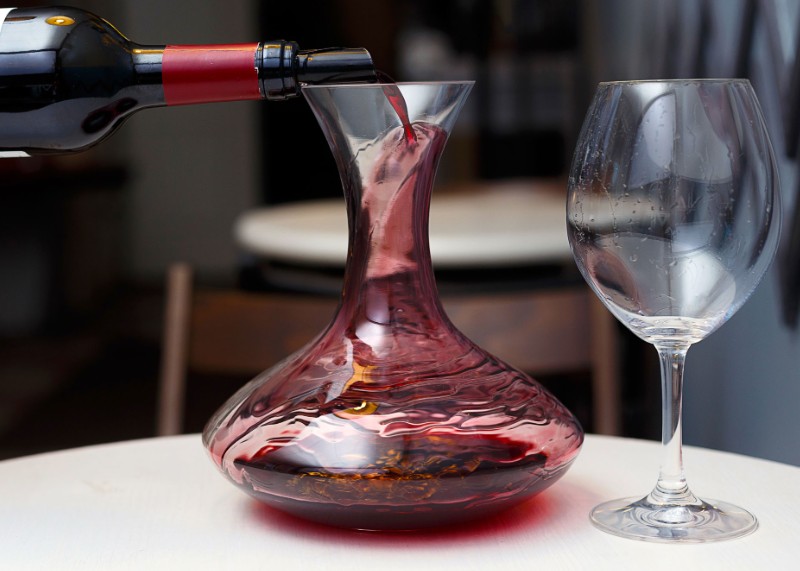
I came across an article recently that asked the question, under what circumstances is it acceptable to return wine, whether it be purchasing it from a wine shop or while dining in a restaurant?
Photo credit: crushwinexp.com
Except in situations where wine is suspected to be contaminated or unsafe for consumption, most jurisdictions do not have regulations regarding the return of wine and liquor to the vendor for refund or exchange. Therefore, it is the decision of individual retailers to determine whether they will accept returns. Most require a receipt, and some may charge a restocking fee.
The most obvious situation is when you open a bottle of wine, pour a glass and then discover an unpleasant aroma, appearance or taste. This could be the result of the wine being stored in a warm location, tainted with TCA (cork taint) or gone bad in some other way, such as being exposed to oxidation. However, it is important to keep in mind that individual flavour profiles, tartrates (wine crystals or wine diamonds), natural sedimentation and tannin deposits are not considered to be wine defects.
In situations where the wine is not spoiled but is just not to your liking or expectation, results may greatly vary. Purchasing wine and not liking it doesn’t automatically make it returnable. For example, being unfamiliar with the nuances of the effects of an aged bottle of wine may result in an individual unfairly judging it, especially if they are unaccustomed to the secondary and tertiary aromas and flavours that can develop over time. Whether such a wine may be returned varies from one establishment to another. Having a conversation with staff prior to selecting a wine you are unfamiliar with will help you manage expectations and avoid disappointment. Whether you have a legitimate right to return a wine comes down to judgment, experience and hospitality. Customers should feel taken care of, but they also need to be realistic and fair.
Many retailers have a 30-day return or exchange policy; most require a receipt and some charge a restocking fee. If you’re returning a bottle because you believe it is flawed, you should bring the mostly full bottle back to the shop with you.
Returns to a winery may be the most stringent. Other than for spoiled wine, returns must be unopened and in saleable condition (label and capsule intact), be of the current vintage and accompanied by the original receipt, indicating that it was purchased within the previous 14 days. The product may then be exchanged for an item at the original purchase price shown on the receipt. Personalized wines are a final sale. In that case, unopened bottles cannot be returned for a refund or exchange.
A faulty product must be returned for assessment immediately upon discovery. If most of the product has been consumed, the return may not be accepted.
For online purchases, in addition to the regulations above, the purchaser will be required to pay for any additional applicable shipping charges.
Hopefully it doesn’t happen but if you ever find yourself in a position where it becomes necessary to return wine, you now have the information necessary to make this transaction as easy as possible.
Now that autumn has returned, I begin to turn my thoughts to cold weather comfort foods like pasta.
Photo credit: blog.web-center.si
Generally speaking, the best way to pair wine with pasta is to match the weight and richness of the sauce to the wine. Pair light, vegetable or seafood-based pasta with crisp white wines like Pinot Grigio. Rich creamy, or meat-based sauces go well with fuller-bodied wines such as Chardonnay or Pinot Noir, while tomato-based sauces require medium-bodied reds like Sangiovese. A sparkling wine, for example Prosecco, will complement many pasta dishes, especially those with creamy or rich sauces.
A good rule of thumb is to match the weight of the pasta sauce with the weight of the wine. A light sauce calls for a light wine, while a heavy sauce pairs well with a bolder wine. Also consider sparkling wines as the bubbles will complement creamy sauces and the acidity works well with tomato-based dishes.
Here are some specific pairing suggestions from several experts:
Fettuccine Alfredo: The wine needs to complement the richness of the dish while providing balance and enhancing the flavours. White Burgundy, Pinot Blanc, and Soave Classico will pair well with Fettuccine Alfredo.
Lasagna: This dish pairs well with a full-bodied red wine like an Italian Chianti Classico or a Brunello di Montalcino.
Pesto Pasta: The pesto flavours will harmonize well with a light-bodied white wine with herbal and citrus notes such as a Sauvignon Blanc, Pinot Grigio or Italian Vermentino.
Spaghetti Bolognese: The rich and meaty tomato-based sauce goes well with a medium-bodied red wine with good acidity such as an Italian Sangiovese or a Chianti.
Spaghetti Carbonara: The creamy Carbonara sauce will be complimented by a medium-bodied white wine like a Viognier or a Chardonnay. If you prefer red, Pinot Noir or Malbec are suggested.
Cheese-filled Ravioli: Pair with a light to medium-bodied white wine like Sauvignon Blanc, Pinot Grigio or Vermentino.
Meat-filled Ravioli: A full-bodied red wine such as Sangiovese, Barbera, Chianti, Cabernet Sauvignon, or Syrah is a good combination.
Seafood-filled Ravioli: Couple this ravioli with a white wine like Chardonnay, Sauvignon Blanc or a dry Riesling.
Vegetarian Ravioli: A red wine like Pinot Noir or Gamay, or a light to medium-bodied white wine such as Grüner Veltliner, Pinot Grigio, Viognier or Sauvignon Blanc are great options. You can also choose Rosés like Chenin Blanc or Pinot Gris.
No matter what pasta you have there will be the perfect complementary wine to enjoy alongside.
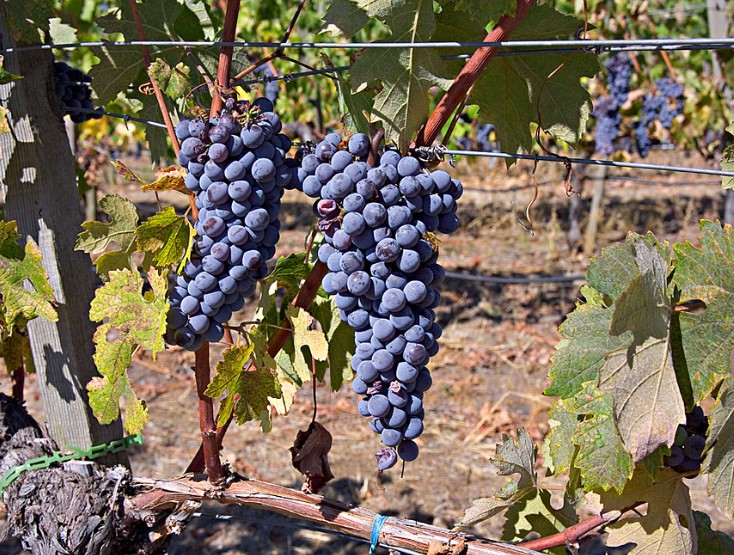
As an update to my November 9, 2024, post “2024: A Year to Remember”, I am pleased to report that the devastation resulting from the environmental disasters that plagued the 2024 growing season in British Columbia have had a reduced impact on this year’s grape harvest.
Photo credit: decanter.com
The vines that survived the destruction have recovered significantly, contrary to expectations. Most growers are now expecting a substantial crop; something that seemed unimaginable last year. The vines have proven to be much more resilient than expected. Some wineries project this year to be their largest harvest ever.
Indications are that the 2025 vintage will be of high quality as the weather has been consistently warm but without extreme heat spikes and wildfires. However, some vineyards still have crop yields of questionable quality.
Grape prices have returned to more reasonable levels, similar to what existed before the environmental challenges of the past couple of years. This will be a relief for the wineries and consumers.
Only a small number of wineries will continue to need to source grapes again from the U.S. Thus, the replacement wine program has been extended for another year. Many producers have replanted vineyards that will not be in full production for another several years.
The effects of the 2024 disaster will continue to linger for the foreseeable future. but the impact is proving not to be as devastating as first thought.
Inspired by my excursion earlier this year to France, I have compiled a list of popular French foods along with complimentary French wines.
Photo credit: joinusinFrance.com
Asparagus and Hollandaise with Condrieu
Condrieu is the highest form of Viognier, a white grape known for its thick texture and exuberant aromatics. Asparagus makes a good combination.
Brie de Meaux with Champagne
The richness of the creamy cheese is balanced by the acidity and lightness of the bubbly Champagne. It creates a very decadent experience.
Coq au Vin with Beaujolais
Beaujolais is the often-underestimated red from southern Burgundy. Made from pure Gamay, the wines are easy to appreciate. The freshness in Beaujolais allows it to cut through the richness of stew. However, the berry notes of the wine are better suited with chicken rather than beef or pork.
Boeuf Bourguignon with Red Burgundy
Boeuf bourguignon, being robust and savory, is well complimented by a red Burgundy, which is a complex and subtle expression of Pinot Noir.
Chèvre with Sauvignon Blanc
As simple as it sounds, fresh goat cheese and Sauvignon Blanc make a great combination. The pungent flavours in chèvre are highlighted by the minerals and acidity of Sauvignon Blanc.
Comté with Vin Jaune
Vin Jaune is the oxidized, sherry-like wine made in France’s Jura region. It has intense, delicious notes of walnuts, dried fruit, curry and pine. It can be a bit sharp on its own, but with cheese, such as Comté, it is very appealing.
Duck with Red Burgundy
A red Burgundy will be a good compliment for roasted duck breast. It combines delicate berry fruits with cool earthiness. As the wine ages it is enhanced by notes of mushrooms and leather.
Foie Gras with Sauternes
Steeped in French tradition, foie gras should be paired with a Sauternes from the Bordeaux region.
Lamb with Northern Rhône Syrah
Northern Rhône Syrah is both subtle and elegant, combining characteristics of dark berry with lightweight aromatics. There are often notes of smoked meats, bacon, licorice, and cloves, which pairs well with lamb.
Mussels with Muscadet
Muscadet is a refreshing, uncomplicated white wine that is produced along the Loire River near the Atlantic Coast. With the ocean nearby, it’s a perfect match for shellfish, particularly oysters or mussels.
Olive Tapenade with Rosé
Olive tapenade served on seasoned crackers or crusty slices of baguette combined with a crisp Rosé is a great combination.
Oysters with Chablis
Chablis is a sub-region of Burgundy, known for its Chardonnay wines made with little or no oak. Classic Chablis is full of minerality and zest making it a great pairing with most oyster dishes.
Roquefort with Sauternes
Sauternes is a unique wine, being created from mold-covered shriveled up grapes just south of Bordeaux. It has notes of apricot, pineapple, ginger, caramel and honey. It pairs well with blue cheese.
Salade Lyonnaise with Beaujolais
A traditional salad lyonnaise (greens, bacon, croutons and mustard dressing topped with a poached egg) is the perfect match for the low levels of tannins and high acidity found in Beaujolais, which is produced from Gamay grapes.
Sole or Flounder with Sancerre
Sancerre is pure Sauvignon Blanc. It is aged in a stainless steal tank without any oak. The combination of juicy grapefruit and mineral freshness matches beautifully with any fine white fish prepared in butter.
Steak with Bordeaux
Steak pairs well with many reds from France, but one sure bet is Bordeaux, especially the Right Bank Merlot dominant wines.
Stew with Southern Rhône Red
Southern Rhone reds usually consist of a blend of Grenache, Syrah and Mourvèdre. The resulting wines are bold and rich, with texture and dark, jammy notes. Most beef stews work well with these wines.
Veal with White Burgundy
White Burgundy is the highest expression of Chardonnay. As long as the wine retains some acidity, it should match beautifully with the subtle, delicate flavours of veal.
Tariffs and retaliatory measures significantly hurt Canada’s wine industry by increasing the cost of U.S. grape must and juice needed by many winemakers, while also indirectly harming wineries through higher costs for imported packaging and equipment. On the other hand, provincial bans on U.S. wine improved sales for domestic Canadian wines. However, should this increased demand continue, wineries may need to enhance their operations.
Photo credit: tbnewswatch.com
Wine production costs have increased for wineries that purchase grape must (crushed grapes) from the U.S. Tariffs on steel and aluminum from the U.S. have increased the cost of barrels, equipment and cans.
However, it’s not all doom and gloom for the Canadian wine industry. There have been increased sales of domestic wine due to the removal of American wines from liquor and wine store shelves in most provinces.
Statistics Canada announced that in April 2025, Canada imported only 2.9 million dollars of American wine a 94% decrease from the year previous. Imports from other wine-producing regions such as New Zealand and Australia increased by 31% and 28% respectively, while shipments from France and Italy rose by 13.6% and 7.6% respectively.
Wineries in Southwestern Ontario, the B.C. Lower Mainland, and Kelowna have experienced increased sales. For example, despite total wholesale wine sales falling nearly 5% year-over-year, B.C.’s share climbed from 47% to over 52%. For the first time, B.C. wines represent more than half of all wholesale wine sales in that province.
However, as stated previously, I don’t believe there are any real winners in a trade war.
With the introduction of tariffs this year by the U.S., American wine makers are now paying a higher price for all their wine making materials including French oak barrels, glass bottles, corks and even the wine-making equipment itself, such as pumps and de-stemmers. The 15% levy that was imposed on all goods entering the U.S. from the European Union means the cost of wine making supplies increased 15%. For example, each wine barrel now costs California wine makers an additional $100 to $150 US.
Photo credit: globaltradelawblog.com
California’s Paso Robles Wine Country Alliance said international wine orders were drying up as the aftereffects from President Trump’s trade war resonated around the world. U.S. winemakers are saying that this puts wine producers in high-cost California at an even greater disadvantage.
European wine producers are reducing their amount of American wine purchased. Danish wine stores are boycotting U.S. made wines. In Sweden, the state liquor store, Systembolaget, has seen sales of American wines drop 15%. Portugal as well has sought out alternatives to American wine.
Canada, who purchased 33% of all U.S. wine exports in 2024, has removed American wine and alcohol from liquor store shelves in most provinces. Robert P. Koch, president of California’s Wine Institute, said, “Canada is the single most important export market for U.S. wines, with retail sales in excess of $1.1 billion annually”. In April 2025, U.S. wine exports to Canada decreased 72.5% compared to April of last year. According to the American Association of Wine Economists (AAWE) exports declined by $25.5 million to $9.69 million.
It’s feared that these new anti-American sentiments are unravelling decades of marketing work and relationship building. Former consumers of American wine are now discovering interest in other New World wines, such as Australia, South Africa, South America and Canada.
Oregon is facing the same challenges as California. Oregon’s leading export targets are Mexico, China and Canada, representing about 81,000 jobs that are reliant on that export trade. Close to half of all Oregon wine exports in recent years have gone to Canada; in 2022, that was 73,323 cases of a total export of 162,939.
In April, the US Wine Trade Alliance stated that “restaurants will suffer, domestic producers will face new obstacles in bringing their wines to market, and retailers, importers, and distributors across the country will be placed at serious risk “.
I guess we will all have to wait and see what the longer-term effects of this trade war will be. However, I tend to agree with the economists who conquer that a trade war is a war that no one wins.
Greek food is very diverse but generally pairs well with crisp white wines such as Sauvignon Blanc or a Greek Assyrtiko, which is a very dry, high acid wine. Light-bodied red wines like Pinot Noir or Sangiovese, as well as sparkling wines like Prosecco also work well.
Photo credit: travelzoo.com
For heartier dishes with lamb or beef, a hardy Greek red such as Xinomavro or Agiorgitiko will pair well.
As with any wine pairing, consider the dominant flavours of the dish. Pair light-bodied wines with lighter dishes and bolder wines with richer dishes. The wine’s acidity can complement the flavours of many Greek selections, especially those with lemon or tomato.
Here are some specific pairing suggestions from a variety of wine experts.
Avgolemono (Lemon Chicken soup): Medium-bodied white such as a Greek Moschofilero
Grilled chicken: Chardonnay or a Greek white Savatiano or Assyrtiko.
Chicken or pork Gyros: Riesling, Gewürztraminer or a light, chilled red Baco Noir or Greek Agiorgitiko.
Fish or seafood: Pinot Noir, Chardonnay, Riesling, Rosé or Assyrtiko.
Greek Salad: Sauvignon Blanc or an Orange wine.
Lamb or beef dishes: Syrah/Shiraz, Merlot, Cabernet Sauvignon, Agiorgitiko, or Xinomavro.
Lamb Gyros: A lighter, chilled red, such as Pinot Noir, Syrah or Agiorgitiko.
Mezze Platter (dips, pita, salads): Light red wines like Pinot Noir or Sangiovese, crisp whites like Sauvignon Blanc or an Orange wine.
Moussaka: A light-bodied red like Baco Noir or Agiorgitiko.
Pastitsio: Italian Nebbiolo or Greek Xinomavro.
Grilled octopus: Greek Assyrtiko.
Red sauce dishes: Cabernet Sauvignon or Merlot.
Saganaki: A citrusy white like Trebbiano.
Spanakopita: Pinot Grigio, Vermentino or Moschofilero.
As always, don’t be afraid to experiment with different pairings to find your favourites.
I have previously shared my experiences on purchasing wine from a winery in a foreign country and shipping it home. Today I look at another purchase option, buying wine online.
Photo credit: vinpark.com
The online sources vary from individual wineries to liquor stores to wine brokerage houses to wine clubs and even auction houses. Online searches will help you find rare wines and older vintages. It also makes it easy to search where a specific wine is sold and allows you to compare prices. These sites will often provide additional information about the wine you are interested in, such as the vintner’s notes, wine critic reviews, a link to winery websites and other technical information.
However, before you begin scrolling through the wide assortment of online vendors, there are some things you need to be aware of. First, if you are purchasing wine or any other alcohol from a website outside your country or province there will be a number of taxes and charges. For example, alcohol being imported from outside Canada to Ontario will have a levy of 102.2% for wine, 143.7% for spirits and $1.70 per litre for beer.
In addition, there will most likely be a shipping fee, which will be a significant percentage of the per bottle price. The only exception I am aware of is when I purchase alcohol online from my liquor store (the LCBO); the price I pay is the same price as it would be in the bricks and mortar store. The only difference is my purchase is shipped to the local liquor store where I then go to pick it up. It enables me to purchase wines and spirits that I would otherwise not have access to, living in an area where there is a limited variety of selections.
The number of retailers able to ship to you may be restricted by shipping regulations in the vendor’s location. Thus, your online wine purchase options may not be as lucrative as it may seem.
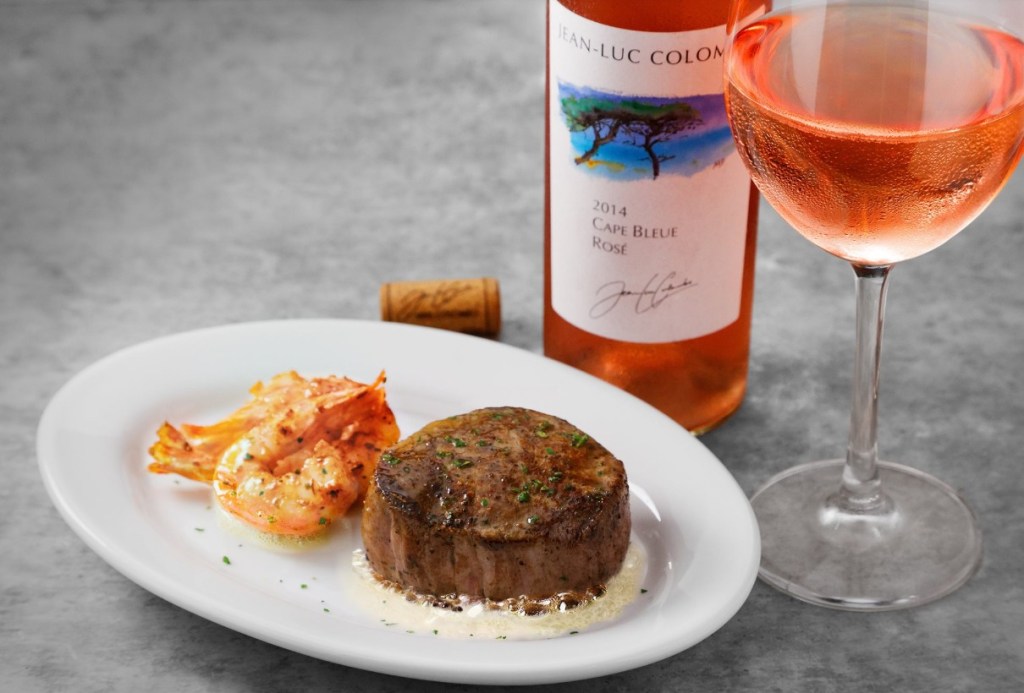
Serving wine with your fast-food meal is a great way to enhance your dining experience. A little planning when it comes to your wine pairing can be very rewarding, so don’t just grab any bottle of wine off the shelf or from the fridge. Generally, wines with higher levels of acidity work well with fattier, greasy foods. Also, don’t forget to consider any side dishes you are having with your fast food. The wine should complement all the elements of your dinner. Robust, bold-flavoured dishes need to be paired with an equally powerful wine. Sweeter wines, like Riesling, will counterbalance hot or spicy dishes.
If in doubt, sparkling wines are generally a safe bet when it comes to fast food.
Photo credit: providencejournal.com
Burgers
Since burgers usually have a high fat content, more acidic wines pair well. Beef and medium-bodied red wines, such as Malbec or Syrah are a great match while chicken, turkey and veggie burgers go best with lighter-bodied white wines. Sauvignon Banc, Pinot Gris or Chenin Blanc are all good options.
If having cheeseburgers, a light-bodied Pinot Noir or a fruity Grenache is a good choice. Bacon cheeseburgers are complimented by a bold Cabernet Sauvignon or Shiraz.
Curry
When matching wine with curry there are a couple of considerations: texture and the spice level. High alcohol wines intensify the heat from curries, so these are best avoided with spicy curries. Crisp, cold white wines are a good match at offsetting the curry’s heat. Sparkling wines are best avoided as they can leave an unpleasant metallic aftertaste.
An off-dry Riesling or Pinot Gris works well, as does a light or medium-bodied red wine such as a Beaujolais or Pinot Noir.
Fish and Chips
When it comes to light, white fish such as cod or haddock, white wine is the recommended option. Lean, flaky fish pairs well with a light and zesty Sauvignon Blanc. Meatier fish-like halibut goes well with a medium-bodied Chardonnay. Sparkling wines are also a good choice as they offset the salt and their acidity helps to balance the oil.
Fried Chicken
The wine needs to complement the mild flavour of the chicken while cutting through the salty, crispy deep-fried coating. Medium-bodied white wines with higher acidity levels work best at accomplishing this. Options include Riesling, Sauvignon Blanc or sparkling wine such as Champagne or Prosecco.
Chicken Nuggets
Whether from your grocer’s freezer section or your local McDonalds, chicken nuggets or chicken fingers pair well with Rosé.
French Fries
Good old fashion French fries go well with Cava, Champagne or any other sparkling wine.
Kebobs
Rich reds with fruity flavours are the best choice as lighter wines may be overpowered by the flavours of the meat. A Merlot or Cabernet Franc are good possibilities. White wines with higher acidity and apple notes can be a good option as well. A Pinot Gris or Riesling could be considered.
Pizza
For pizza and wine pairings see my post from either January 28, 2023, or March 9, 2024.
Tacos
Tacos will be complemented by Sauvignon Blanc or Pinot Gris.