Elevate a Quick Meal with Wine

I am not much in the way of a cook and am certainly no chef, but when I do prepare a simple meal or more realistically, assist my wife in doing so, I love to add some wine, both as a cooking ingredient and enjoying while preparing the meal and serving alongside the meal.
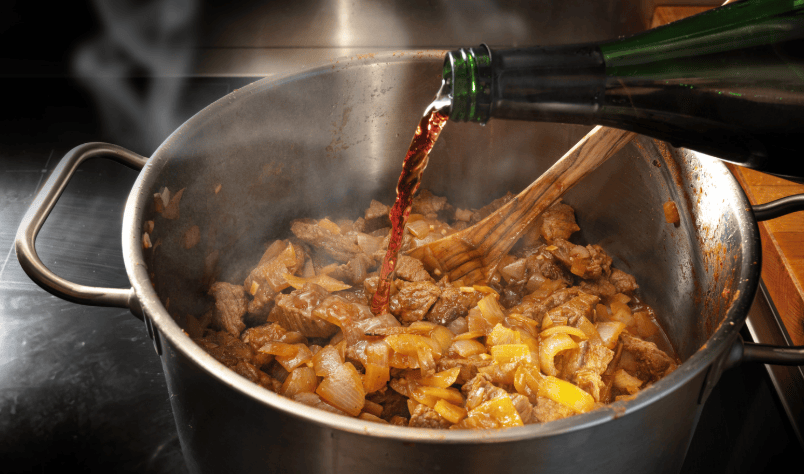
Photo credit: storage.googleapis.com

When cooking with wine you still need to pair it with your food in the same manner as you would pair wine you serve with your meal. Besides, there is a good chance you will have sufficient wine left over from cooking to enjoy with your dinner.  For example, pair a light-coloured wine with lighter meats like fish or chicken, and a robust red with beef or lamb.

Wine can also be a great cooking substitute. For example, a splash of white wine can sometimes substitute for acidic ingredients such as lemon juice or vinegar.

When adding wine as part of the cooking process, be sure to add it early. This will allow the alcohol to cook off and flavours to meld.

Here are some quick and easy ways to include wine:

After browning meat or vegetables in a pan, you can deglaze the pan by adding a splash of wine. Scrape the bottom to lift the flavourful browned bits and then continue with your recipe.

For quick sauces, like pasta sauce, add 1-2 tablespoons of wine per cup of sauce to the pan. Let it simmer for at least 10 minutes before tasting and adding more if desired.

For a final flavour enhancement, add a small amount of wine just before serving, but be aware that the alcohol may not completely cook off.

One ingenious idea I came across is to freeze leftover wine in an ice cube tray. Then you will always have wine available to add as a flavour boost whenever it is required.

One thing that I recommend you always do is cook with the same wine that you would drink. Don’t substitute cheap and cheery wine when cooking. Use the same quality of wine in your pot or pan as you would in your goblet or glass. As the saying goes, “Life is too short to have bad wine.”

Sláinte mhaith

Wine and Pasta

Wine and Pasta

Winter is a time for comfort food and one of my favourite comfort foods is pasta. When it comes to pairing a wine with pasta, the deciding factor should be the accompanying sauce, not the pasta itself because after all, pasta by itself does not have a great deal of flavour.

Photo credit: finewinemaster.com

Tomato-Based Pasta

Tomato-based sauces are high in acid and are often blended with beef or pork. Because of the acidity in tomatoes, a dry, medium-bodied red wine is recommended. Examples of red, medium-weight wines include:

  • Chianti
  • Grenache
  • Nero d’Avola
  • Primitivo
  • Rhône Blends
  • Sangiovese
  • Zinfandel

Cheese Pasta

There are a wide range of red as well as white wines that will pair well with cheese sauces. You shouldn’t feel restricted to serving just white wine with white cheese pasta. An oaked white wine will have a buttery character that will compliment the creamy sauce. Examples include an oaked Trebbiano or Chardonnay. Here are a couple of white wine options to consider:

  • Oaked Chardonnay
  • Oaked Trebbiano

Also, lighter more floral red wines will also pair well with intense hard-cheese pasta, especially if there are mushrooms or root vegetables in the sauce.   Red wine options include:

  • Chianti
  • Nebbiolo
  • Pinot Noir
  • Sangiovese

Seafood Pasta

Light-bodied white wines are the preferred pairing choice for seafood pasta. These wines will be relatively acidic, thus a good balance for creamy white sauces and fatty seafood, such as scallops, shrimp, oysters or mussels. White wine options include:

  • Chenin Blanc
  • Grenache Blanc
  • Pinot Gris / Pinot Grigio
  • Riesling
  • Sauvignon Blanc

For seafood pasta that is cooked in a tomato-based sauce, light body red wines or Rosé are a good option. Red wine options include:

  • Pinot Noir
  • Malbec

Pesto Pasta

Whether you are serving the traditional pine nut and basil pesto or another type of pesto, the focus should be on matching the green, whether it be parsley, cilantro, mint, etc. which is the centerpiece of the dish. For the most part, herbaceous wines are said to be best suited when serving pesto pasta. Herbaceous wines are those wines that have aromas and flavours like herbs such as mint, vegetables such as asparagus, freshly cut grass or tomato leaves. Wines considered to be herbaceous include:

  • Grüner Veltliner
  • Sauvignon Blanc
  • Cabernet Sauvignon

Primavera (Vegetable) Pasta

Spring onions, garlic ramps, artichoke hearts and broccolini are among the choices on which to base primavera. The objective is to highlight the springy freshness of the vegetables; thus, it is often best paired with a light-bodied white wine with lemony and floral notes. However, if the pasta has major vegetable intensity, it needs to be matched with an equally savory white wine. White sauce wine options include:

  • Pinot Gris / Pinot Grigio
  • Riesling
  • Sauvignon Blanc
  • Vermentino

If tomatoes are a major component of the primavera, a light-bodied acidic red wine would be a better choice. Tomato sauce wine options include:

  • Cabernet Franc
  • Pinot Noir
  • Rosé

No matter which type of pasta you fancy, one of the corresponding wine options will compliment your meal.

Sláinte mhaith