Drinking one’s face off at a party or social gathering is becoming a less acceptable behaviour. The younger generations, Millennials and Gen Z, are now the most likely groups to attend holiday parties. They tend to find alcohol less desirable and thus, its use in social settings is changing. Getting into the holiday spirit no longer requires spirits, with mocktails and alcohol-free bars now becoming very popular.
Photo credit: homrest.com
Gen Z and Millennials are also the ones most likely to make an early exit from the party. About 28% of Gen Z say they stay just long enough for the food, while 39% of millennials admit to quietly slipping away without even saying goodbye.
Zero-proof cocktails and menus featuring gluten-free, vegetarian and vegan options are reflective of a broader focus for these events. However, for those that continue to provide alcoholic options, cocktail menus are more curated and upscale and aim to incorporate local ingredients or have a more direct relationship with the company or event.
A poll conducted in Great Britain suggested that over twenty percent of office Christmas parties in 2024 were alcohol-free events. This is an increase of two percent over just one year previous, suggesting that this is an increasing trend.
For me, being retired, gone are the days of attending work-related events steeped in their traditions and corporate politics that were often fueled by alcohol, especially during the later hours. Having emceed one of these events attended by a couple of hundred people, I appreciate the benefits of the alcohol-free approach. It can be entertaining to sometimes watch the alcohol fueled antics of some attendees and stressful to see others say or do something totally inappropriate and potentially career-limiting. It can be both tragic and embarrassing for these individuals after they sober up and realize what they had done.
Gatherings are becoming smaller as well. Less companies are hosting single large gatherings attended by all employees. Instead, they are opting for smaller intimate settings pertaining to the interests of specific groups. The events tend to focus more on food and less on spirits.
Gone are the days of wearing lampshades at a party.
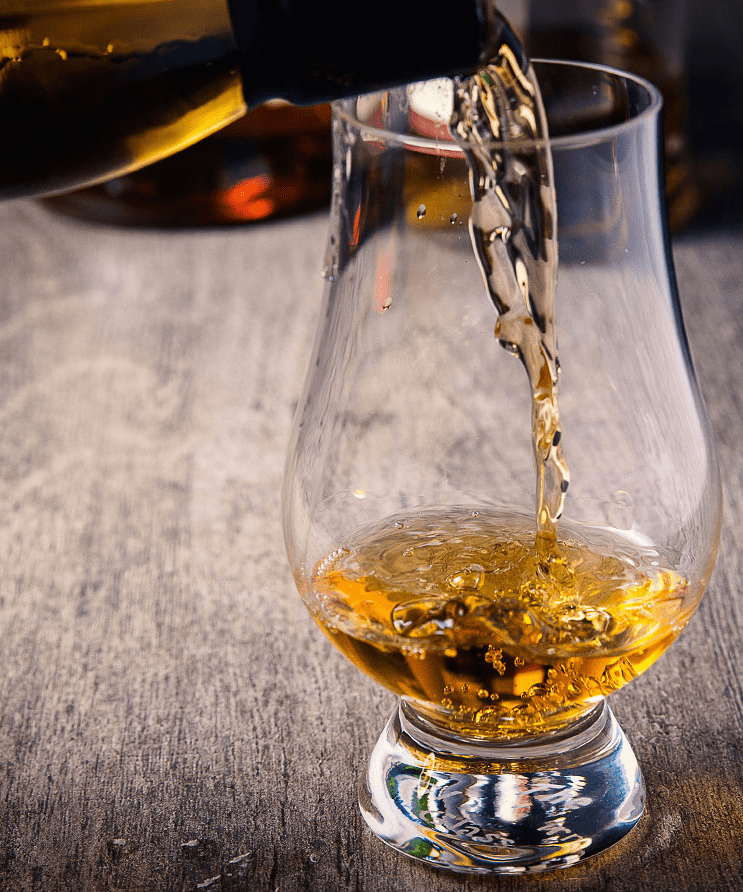
I am not sure how much credence I am willing to put in this, but there are those who say there is evidence to prove that there are health benefits to be gained from moderate whiskey or other alcohol consumption. I am a true whiskey fan but I am skeptical of at least several of the claimed health benefits.
Photo credit: vinepair.com
I think everyone will agree that too much of anything can be bad for you. It is argued that alcohol can be both a tonic and a poison. The difference seems to depend on the amount consumed. It is debated that moderate drinking can be good for the heart and circulatory system, and possibly protects against Type 2 diabetes and gallstones.
On the other hand, heavy drinking is a major cause of preventable death. Heavy drinking can damage the liver and heart, harm an unborn child, increase the chances of developing some cancers, and can lead to depression amongst other things.
The active ingredient in alcohol, ethanol, affects the body in many ways. It directly influences the stomach, brain, heart, gallbladder, and liver. It affects the level of cholesterol, triglycerides and insulin in the blood, as well as causing inflammation and coagulation. It also alters mood, concentration, and coordination.
All the various studies base their research on what the researchers refer to as moderate alcohol consumption. However, the definition of moderate consumption is not consistent throughout the scientific community. In some studies, the term “moderate drinking” refers to less than 1 drink per day, while in others it means 3 to 4 drinks per day, a significant difference. Exactly what constitutes “a drink” also varies. In fact, even among alcohol researchers, there’s no universally accepted standard drink definition. Many consider a drink as consisting of 1½ ounces of alcohol, but even then, the alcohol level by volume can vary from whiskey to whiskey.
Even moderate drinking is known to have some risks. Alcohol can disrupt sleep, as well as may interact in potentially dangerous ways with a variety of medications, including acetaminophen, antidepressants, anticonvulsants, painkillers and sedatives. It is also addictive, especially for people with a family history of alcoholism.
One serving of alcohol on average contains 100 to 150 calories, so even a moderate amount of 2 drinks a day can contribute 200 to 300 calories to your daily caloric intake. Mixed drinks that add juice, tonic, soft drinks or syrups will increase the calorie intake even further, increasing the risk of weight gain over time.
So what are the potential health benefits to be gained from whiskey or other forms of alcohol consumption? To start with, there are more than 100 prospective studies that suggest an inverse association between light to moderate drinking and risk of heart attack, ischemic (clot-caused) stroke, peripheral vascular disease, sudden cardiac death and cardiovascular related death.
Research indicates that there is a relationship between moderate drinking and lower risk of cardiovascular disease in both men and women. It applies to people who do not have heart disease, and also to those at high risk for having a heart attack or stroke or dying of cardiovascular disease, including those with Type 2 diabetes, high blood pressure and existing cardiovascular disease.
Moderate amounts of alcohol raise levels of the “good cholesterol”, high-density lipoprotein (HDL). Higher levels of HDL are considered to provide greater protection against heart disease. Moderate alcohol consumption is also linked to better sensitivity to insulin and improvements in factors that influence blood clotting. Such changes would tend to prevent the formation of small blood clots that can block arteries in the heart, neck, and brain, the ultimate cause of many heart attacks and ischemic strokes.
Other claimed health benefits include helping to maintain body weight, using as an antibiotic on scrapes and cuts, protection against dementia, reduction of high levels of uric acid, which in turn lowers the frequency and risk of gout attacks, and lastly it is gluten free.
This is all well and good but there are some essential factors to keep in mind. Having 7 drinks on a single day and then not drinking the rest of the week is not considered the same as having 1 drink a day. The weekly total may be the same, but the health implications are not.
The potential social and psychological benefits of alcohol cannot be easily quantified. A drink before a meal can improve digestion or offer a soothing reprieve at the end of a stressful day and an occasional drink with friends can be a social refresher.
There is one more caveat to add to this debate and that is, given the complexity of alcohol’s effects on the body and the complexity of the people who drink it, all-encompassing statements about the benefits of whiskey consumption cannot be made. Because each of us has unique personal and family histories, alcohol offers each of us a unique variety of benefits and risks. So, are there health benefits to be gained from whiskey consumption? Maybe.

 A Layman's Wine Musings