In the past I have written articles on whether a wine should or shouldn’t be decanted (To Breathe or Not to Breathe from November 9, 2019) and on what style of wine decanter is best (Choosing a Wine Decanter from July 18, 2020). Today I will talk about the dos and don’ts for decanting a bottle of wine.
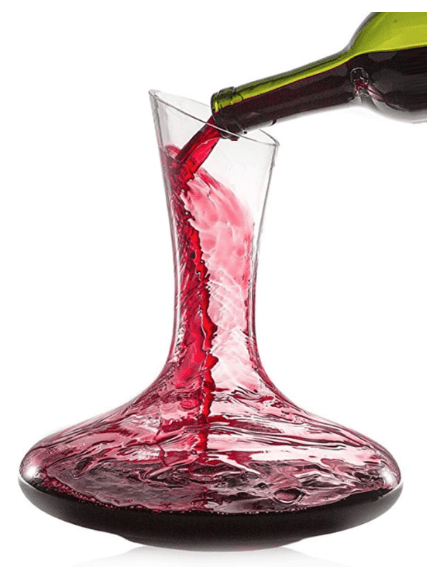
Decanting wine can be a great way to enhance flavour and aroma, but it’s important to do it properly to avoid ruining the wine. Here are some suggested dos and don’t dos from some wine experts.
Dos
Wines that should be decanted are young, full-bodied red wines with high tannins and bold flavours. Wines to decant include Cabernet Sauvignon, Syrah and Bordeaux blends. Lighter red and white wines usually don’t need to be decanted.
Stand the bottle in an upright position for an hour or two before opening. This will allow any sediment to settle at the bottom of the bottle.
Make sure the decanter is clean before decanting. A dirty or musty decanter can affect the taste and aroma of the wine.
When pouring the wine into the decanter do it slowly and steadily. Be aware of any sediment in the bottom of the bottle as you don’t want any of it in the decanter. It is often handy to use a fine mesh strainer to catch any bits that escape from the bottle.
After decanting, let the wine sit in the decanter for at least 15 minutes before serving. This will allow the wine to open up and release its aromas and flavours. Some wines require much more than 15 minutes, so feel free to taste the wine to decide if it needs additional time to decant.
Don’ts
Be careful not to decant the wine for too long. If you do, the wine will lose its flavour and aroma. Generally, if you can smell the fruit flavours from the wine, it is ready to drink.
Never shake the bottle. Shaking the bottle can disturb the sediment and mix it with the wine, making it more difficult to remove the sediment.
Do not decant aged or delicate wines. These wines can be harmed by decanting. Both the flavour and aroma may be greatly weakened resulting in a flat, tasteless drink. If in doubt, taste the wine before deciding whether to decant.
The decanter should not be filled to the top as there needs to be space to allow the wine to breathe and release its aromas. Quite often a bottle of wine will fill up to the widest part of the decanter.
By following these guidelines, you can ensure that you are receiving the most flavour and aroma experience from every bottle of wine.
Sláinte mhaith
 A Layman's Wine Musings
Best wishes for the Holiday Season
With great times spent with your growing family, and friends, with great wines to decant and share.
Sue and Peter
LikeLike
We hope you and Sue have a great holiday.
LikeLike