De-alcoholized Wine

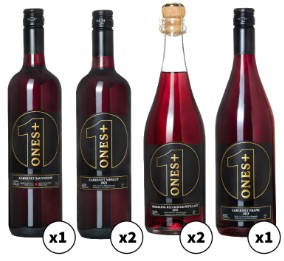
My wife recently came across an article about a non-alcoholic winery that has received endorsement on CBC’s Dragons’ Den television show. Based on their endorsement and our curiosity, we agreed we would purchase a boxed set of wines online, which included Cabernet Merlot, Cabernet Sauvignon, Cabernet Franc and a sparkling red.

Photo credit: drinkones.com

I read that before sampling any de-alcoholized wine it is important to keep in mind that these wines cannot be directly compared to wines containing alcohol and should not be considered as a substitute. Instead, according to one source, non-alcoholic wine should be deemed as complementary to regular wine. However, in my opinion, if this beverage is not to be compared to regular wine, then don’t call it wine. Give it a different name.

De-alcoholized wine will still contain some alcohol, but only an amount to a maximum of 0.5% alcohol by volume. Unfortunately, manipulation to remove alcohol can inadvertently remove the aromas and characteristics of the grape varietal.

When the wines arrived, we first tried the Cabernet Merlot, and following the food pairing suggestions on the label, served it with pork tenderloin. To say that we were underwhelmed would be an understatement. My wife described it best by summarizing it by saying that it tasted extremely watered down. The wine had basically no aroma.

The second wine we tried was the sparkling red. It proved to be a much better experience having more of a fuller, less acid taste. There was a sweetness to the wine that I suspected was artificially added but according to the label, no sugar had been added. Also, given the amount of fizz and the length of time that the bubbles remained in both the glass and the bottle, I suspect that the carbonation was added rather than occurring naturally through fermentation.

The third wine we explored was the Cabernet Franc, which we had with spaghetti and meatballs. Although this wine similarly lacked in flavour like the Cabernet Merlot, it did have a little more of a finish to it. One advantage this wine had over the first was that our tastebuds were prepared for the underwhelming flavour and lack of richness, thus making it more palatable and less of a shock.

The final wine selection was the Cabernet Sauvignon. I expected this wine to be the boldest of the group but other than having a slightly longer finish there was not much of a difference between this and either the Cabernet Franc or Cabernet Merlot. We paired the Cab Sauv with homemade pizza, but I don’t think any food pairing is going to make the wine more endearing.

The breweries seem to do a much better job of de-alcoholizing as I have had several brands and types of non-alcoholic beer that I have enjoyed. I found strong similarities to traditional beer. On the other hand, the wines were a big disappointment as they did not come anywhere close to mirroring the alcoholized version of the same varietal. However, once I knew what to expect, I was able to be more accepting of the wine and applaud the initiative to produce a non-alcoholic version. though further effort is needed to enrich the flavour.

The one similarity the de-alcoholized wine shares with regular wine is its appearance. Though the colour may be slightly less vibrant, it is unlikely that anyone at a social gathering could tell what type of wine was in your glass.

Sláinte mhaith

Nebbiolo Grapes and Wines

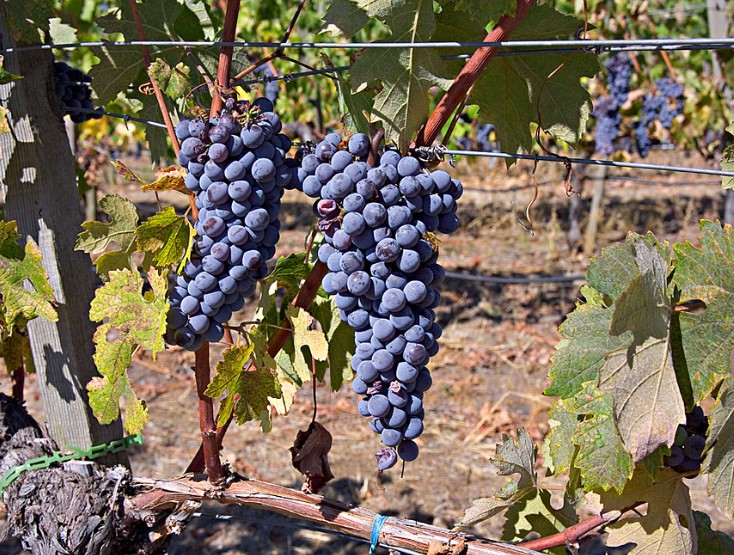
One of my favourite grapes, the Nebbiolo (pronounced “Nebby-oh-low”), is a mystery to many people as it is grown in just a few places in the world and is used to make only a couple of different wines. It originated in the Barolo and Barbaresco districts of the Piedmont region of northern Italy. There the grapes thrive on hillsides in the sun with clay or silt-based soil. For this reason, Nebbiolo is rarely grown outside of this region. Nebbiolo has only experienced limited success elsewhere in the world with there being just a few producers in Australia and Mexico’s Baja California.

Photo credit: strengthinperspective.com

Barolo and Barbaresco wines are both made totally from Nebbiolo grapes. Both wines consist of many integral components; individual hillsides, single vineyards and the range of styles and expressions is significant. For example, the Nebbiolo-based wines in Barolo’s La Morra are very different from the ones grown in Serralunga d’Alba. In Barbaresco, the wines from Neive are distinct from the ones grown in Treiso.

There are also excellent Nebbiolo-based wines made in Roero in Piedmont. Nebbiolo is the heart of both Roero and Roero Riserva, as it is with Gattinara, a less-known Nebbiolo-based wine.

Barolo DOCG has two classifications, a “normale” Barolo which has 38 months of aging, which includes 18 months in wood, and Barolo Riserva DOCG with 62 months aging, also including 18 months in wood.

Average price: $35 t0 $100 CDN but more expensive options are available.

Barbaresco DOCG has two classifications, a “normale” Barbaresco with 26 months aging and Barbaresco Riserva DOCG with 50 months aging. Both wines must include 9 months of their aging in wood.

Average price: $40 to $100 CDN but you can spend more.

Roero Rosso DOCG must be 95% Nebbiolo and have 20 months of aging with at least 6 months in oak. The Riserva level tends to be even softer with 32 months of aging including 6 months in wood.

Average Price: $20 to $40 CDN but is not always available in Canadian liquor and wine stores.

The nose of Nebbiolo wines tend to suggest hints of floral and light red fruits that suggest that the wine will be lighter than it is. Nebbiolo’s flavour provides hints of leather and lots of tannins along with fruity flavours of cherry and raspberries.

Nebbiolo wines pair well with beef tenderloin, ribeye steak, prime rib, roast turkey, pork sausage, braised duck, braised pork shank or prosciutto. It also compliments cheeses such as parmigiano reggiano, feta, manchego, or pecorino. A wide assortment of vegetables go well, including roasted garlic, shallots, truffles, wild mushrooms, chestnuts, butternut squash, fried polenta, olives, capers, funghi pizza, wild rice and roasted fennel.

If you like Sangiovese or cool-climate Pinot Noir you should try the offerings of Barolo, Barbaresco or Roero Rosso wines.

Sláinte mhaith

Japanese Food and Wine Pairings

Sake is the obvious choice when considering which beverage to serve alongside Japanese cuisine. However, wine, with its varied flavours, is a great match in the complex world of Japanese food.

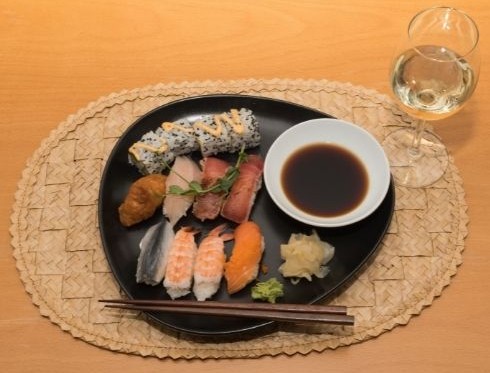
Photo credit: unravelingwine.com

I have seen itemized Japanese food pairing lists that have contained in excess of a hundred specific food and wine combinations. However, for those who occasionally enjoy Japanese cuisine, this general guideline should provide the essential information to aid in the discovery of Japanese food and wine combinations.

White wines go well with many dishes because of their acidity and ability to compliment delicate flavours. However, red wines low in tannins will go well with stronger dishes such as ramen and teriyaki.

When having subtle dishes like sushi or sashimi, they will pair well with dry crisp white wines such as Sauvignon Blanc, Riesling, Pinot Grigio or a dry sparkling wine. Ramin, teriyaki, tempura or other richer dishes will be complimented by full-bodied whites such as Chardonnay (especially Chablis) or Gewürztraminer, or lighter-bodied reds like Pinot Noir, Gamay or Grenache.

Spicy foods, including those containing wasabi, or slightly sweet dishes will be complimented by Gewürztraminer, with its aromatic and slightly sweet character.

Dry, un-oaked white wines or light, low-tannin reds can be an accompaniment for dishes with strong savory flavours.

As I have said many times before, don’t be afraid to explore new food and wine pairings. There are always new combinations waiting for you to discover!

Sláinte mhaith