Easter is traditionally a time for family celebrations that end with a scrumptious dinner. I will look at traditional menu options but given the current climate where traditional family gatherings may not be possible, I will look at adding some glam to an everyday meal.
Also, given the strains being experienced by the local economy, all of my wine suggestions will be Canadian.
Lamb
Starting with the traditional Easter menu, the first option is lamb. Lamb has a long tradition of being part of Easter celebrations. It is available in many forms, suitable for any budget, ranging from a leg of lamb, to a loin, to chops, or even burgers.
Lamb in any form is well complimented with a Cabernet such as Lakeview Cabernet Sauvignon ($29.95) or Featherstone Cabernet Franc ($19.95).
Ham
Ham is another classic Easter dish that can be prepared in a multitude of ways. It can be baked using cloves and or a number of different glazes, ranging from savory to sweet. Ham is also available in a variety of cuts ranging from the traditional ham on the bone, to small packaged hams to ham steaks.
Pinot Noir is a good option for serving with ham. Flat Rock Gravity Pinot Noir ($34.95) or Henry of Pelham Pinot Noir ($16.95) are a couple of options.
Turkey
Turkey is a classic choice for Easter. Not only is it suitable for large family gatherings but provides options for smaller dinners. Alternatives to purchasing a full-size bird include, prepackaged turkey thighs or turkey breasts, or you can substitute chicken for turkey.
There are both red, as well as white wine alternatives to have with your turkey or chicken. White wine suggestions include, Flat Rock Chardonnay ($19.95) or Inniskillen Montague Vineyard Chardonnay ($25.95). Red wine options include Kew Vineyards Pinot Noir ($23.95) or Tawse Growers Blend Pinot Noir ($25.95).
Roast Beef
Over the years roast beef has been the choice of many for Sunday family dinners and Easter is no exception. Featherstone Cabernet Franc ($19.95) or The Foreign Affair Dream ($29.95), which is a Merlo, Cabernet Sauvignon and Cabernet Franc blend , are two good choices.
Salmon
Salmon, though less traditional, is a good healthy option for your Easter dinner. It can be baked, poached, or my favourite, tossed on the grill, wrapped in lemons, onions, and capers. It can be a great alternative if you are forced to a smaller than usual family gathering.
Sauvignon Blanc or Rosé pairs well with salmon. Options include Wildass Sauvignon Blanc ($16.95) or Malivoire Vivant Rosé ($19.95).
Vegetarian Alternatives
Vegetarian alternatives to the traditional meat dishes are very popular. These dishes are obviously a good alternative to meat any time, not just on special occasions. Wine pairings for vegetable mains are the same as those for salmon; Sauvignon Blanc or Rosé.
Non-Traditional Options
No matter what your mood or what you are serving, wine can make the simplest of meals more elegant. Here are some general options:
White Wine
Chicken based soup – Angels Gate Chardonnay VQA ($14.95)
White fish – Sandbanks Summer White VQA ($14.95)
Mac and cheese – Peninsula Ridge Pinot Grigio VQA ($15.95)
Pasta with a white sauce – Mission Hill Five Vineyard Pinot Blanc VQA ($16.95)
Poultry – Tawse Sketches of Niagara Chardonnay VQA ($19.95)
Sea food – Cave Spring Riesling Dry VQA ($15.95)
Red Wine
Beef ribs – Strewn Rogue’s Lot Cabernet Sauvignon Cabernet Franc VQA ($14.95)
Beef based soups – Peninsula Ridge Merlot VQA ($15.95)
Pasta in a red sauce – Pelee Island Baco Noir VQA ($21.95)
Pork ribs – Pelee Island Pinot Noir Reserve VQA ($17.95)
Tomato based soups – Henry of Pelham Pinot Noir VQA ($16.95)
No matter what your Easter has in store, whether it be a family dinner with all the fixings, or a simple affair for only one or two people, make it more elegant with wine.
A fortified wine is a wine-based beverage that is often enjoyed as a before or after dinner drink. These still wines have been “fortified” with a distilled spirit such as brandy. The original use of fortification was to preserve the wine as it was prone to turn to vinegar during long sea voyages.
The spirit added might also enhance the wine’s natural flavors. The liquor is added to the base wine during fermentation. This fortification process increases the alcohol content from 12% – 13% up to around 17% – 20% by volume.
Fortified wines can be made in either a dry or a sweet style. The middle-ground of medium-sweet or medium-dry is covered in virtually all of the fortified wine categories and they will vary from one producer to the next.
How Fortified Wine is Made
Many fortified wines are blends of various grapes and vintages. Fortified wines are not distilled so are not liquor even though they are sometimes mistakenly categorized as such. This is particularly true of vermouth because it is used in making martinis.
Quite often, the fortifying liquor is simply called a “neutral grape spirit.” Essentially, this is a brandy or eau de vie (the water of life). The amount of time a wine is allowed to ferment before being fortified determines whether it will be sweet or dry.
Once the alcohol is added to the wine, the yeast stops converting sugar to alcohol and all of the remaining grape sugar is left in the wine as residual sugar. If a sweeter fortified wine is desired, the neutral grape spirits are typically added within the first day and a half of fermentation. To make a dry fortified wine, you would allow the full fermentation process to run its course. This consumes the remaining sugar before adding the neutral grape spirits.
Most fortified wines have no additional flavoring agents. However vermouth often has botanicals added during the process to give it an herbal flavour.
Aging
Many fortified wines undergo aging in wood casks. The actual aging time depends on the fortified wine. In general, the cheaper the fortified wine, the less time it has spent aging in oak. As a result of this deep wood aging, many fortified wines will benefit from decanting and aeration. For additional information on decanting see the November 9, 2019 post “To Breathe or not to Breathe”.
Types of Fortified Wine
The types of fortified wine vary by regional preferences or the methods used in producing them.
Madeira
Madeira is a white fortified wine from the Portuguese island of the same name. It comes with various classifications, including by grape and age. The wine can range from dry to sweet, and is most notable for its aging process known as estufagem. Madeira is made from a combination of heating and aging, along with oxidization and mild pasteurization. Madeira can be produced in two ways: either over a period of months with hot water tanks or steam, or naturally over a period of decades.
Marsala
Marsala is an Italian specialty originating in Marsala, a city on the Italian island of Sicily. It is classified by both color and age, with sweet and dry varieties represented. Sweetness is measured by grams of residual sugar per litre. Alcohol content ranges from 15% to 20% by volume, and styles run from dry aperitivos to sweet dessert-style wines.
Commandaria
Commandaria is from Cyprus and is predominately a sweet dessert wine. It’s made with only two types of grapes, Xynisteri and Mavro, which are indigenous to the island. It’s said to have a history of production stretching back nearly 3,000 years. Maximum alcohol content is 20% by volume, and the wine’s taste is highly rich, sweet, and fruity.
Moscatel de Setúbal
The Portuguese love their fortified wine, and this is another geographically specified rendition coming from the city of Setúbal, located in the Setúbal Peninsula along the country’s coast. It’s primarily made from the Muscat grape, and is dominated by a single company, José Maria da Fonseca. The style is known for more floral, and sometimes funky aromas because of the Muscat grape skins that are added after the distilled spirit has been incorporated into the wine.
Port
Port wine is the best-known fortified wine. It originally comes from Portugal’s Duoro Valley. However, it is now produced throughout the world. You can choose from tawny, ruby, vintage, and white ports. Grapes must be grown and processed in the region, and to become port, the wine is fortified with unaged brandy before fermentation is complete to yield a product with around 20% per volume. Port is most commonly rich and sweet, but a range of styles exist.
Ruby Port
Ruby Port and Reserve Port are fruity Ports that are aged for a short time in a vat or tank. They are intended to be drunk at a young age.
Tawny Port
Tawny Port is aged in vats, and Aged Tawny can be aged for up to 40 years. The older the Port, the more intense the ageing bouquet is, adding complex layers of flavours to the standard fruity tastes. Aged Tawny is typically available in 10, 20, 30 and 40-year-old formats. It will be bottled when it is ready to be drunk, meaning that you can drink it straight away without having to patiently wait for this ageing process to happen.
Vintage Port
The finest wine available from a specific vintage will be bottled earlier than most Ports and will require bottle aging to mature the flavours further. This is quite different to the other types of Port, which are matured in vats and ready to drink when bought. There won’t be a Vintage Port every year, as only the very best harvests are turned into Vintage Port.
Late Bottled Vintage Port
Late Bottled Vintage Port is produced from a single vintage wine that is aged for around seven years in a cask, as opposed to being bottled earlier as with the Vintage Port. This process creates a very fruity, yet highly tannic wine.
Sherry
Sherry is a well-known fortified wine produced in Southwest Spain. It comes in fino (dry and light-bodied) and oloroso (dry but richer) styles.
Sherry originates from Andalucía in the south of Spain. Viticulture has been practised in this region for over 3,000 years, making it one of the oldest wine producing areas in Europe.
The primary grape type used is the Palomino Fino varietal, which is a white grape with good levels of acidity. While Palomino Fino is used for most styles of Sherry, the Pedro Ximenez grape is used for sweeter styles of wine.
The process of producing sherry is very complex and particular and differs from other fortified wine-making practices. White wine is fermented and placed in a ‘Solera System’ which are barrels that are stacked up on their sides in a pyramid-like shape. Yeast develops on the wine, known as flor, which stops the wine turning to vinegar and adding extra spice and flavour to the wine. The wine gets transferred from the top of the Solera system down through each layer over time, blending with older wine each time to create a complex ageing process. Alternatively, sherry can be aged oxidatively, by being left in contact with the air.
A number of types of sherry are produced:
Fino
Fino is a dry sherry that is aged solely under the yeast layer, producing a lighter drink, in both style and colour. It is also the least alcoholic form of Sherry, as it will only be fortified to 15% by volume.
Oloroso
Oloroso sherry is produced simply by leaving the wine in contact with the air, so no yeast is added to this style. It, therefore, presents far more intense flavours and colours and tends to be far more alcoholic than Fino sherry – usually a minimum of 18% by volume.
Palo Cortado
Palo Cortado and Amontillado style sherry is aged firstly under flor, before being aged oxidatively, producing a dry wine fortified to around 17 % by volume.
Cream Sherry
Cream and Dulce Sherry is produced using a sweeter grape varietal for a more dessert-like sip. These sherries tend to see the most variation in quality and price.
Vermouth
Vermouth is probably better known as the “other” ingredient in a martini, but it’s great to sip on its own as an aperitif. It is generally available as either dry or sweet. Vermouth is produced worldwide and varies in taste and quality depending on the producer.
Others
There are other fortified wines that do not fit conveniently into one of these categories. Those typically rely on proprietary recipes and, quite often, utilize a special blend of herbs or botanicals to make them distinct from all others. Dubonnet and Lillet are two labels that fall into this non-category.
Storing Fortified Wines
Since fortified wines vary by style, it’s difficult to give general guidelines about storing and serving. While it is best to look into the recommendations for a particular type, there are a few suggestions you can keep in mind.
Unopened bottles of fortified wine can be stored in a cool, dark location. Some, such as fino and manzanilla sherry, should not sit on the shelf long after bottling. Others will be okay for a few months.
Once opened, it is best to drink fortified wines as soon as possible. However, vermouth can retain its flavor for up to three months. All open bottles of fortified wine should be stored upright in the refrigerator.
Serving Recommendations
Similar to other wines, serving temperatures vary with fortified wines. While some are best chilled, others should be served at room temperature. This is also going to depend on your personal preference as well.
While any fortified wine is designed to be enjoyed straight from the bottle, they’re useful in mixing up cocktails. They’re often best in simple drinks, such as the sherry cobbler and white port and tonic.
Fortified wines also make a great cooking wine. If you find that your wine is too far gone to drink, add it to a sauce or another recipe that calls for a little wine.
Foods Pairings
Food pairings depend on which type of fortified wine you are drinking. In general, fortified wines are known as both an aperitif and a dessert wine option. Many kinds of cheese, nuts, fruit tarts, and cream-based or chocolate desserts have found a magnificent pairing partner in a fortified wine.
Traditionally white wine would be the only choice to serve at Christmas. However, this is no longer the case. Today there are many more options available to complement your menu, whether it is brunch, afternoon munchies, dinner, or dessert.
Christmas morning could start off seated around the holiday tree with a flute of Champagne or Prosecco. The sparkly can also be combined with orange juice to create mimosa. The same could be included as part of Christmas Brunch.
When serving hors d’oeuvres such as prawns or seafood, a zesty white is always good, such as Sauvignon Blanc or Pinot Gris. Rosé, Pinot Noir, or Beaujolais are also viable choices.
For a traditional turkey dinner, white options would include an oaked Chardonnay or White Burgundy. Red options include Pinot Noir, Baco Noir, Chianti, Beaujolais, a mature Bordeaux or Rioja.
With ham, wines with some sweetness, lots of acidity and bold fruit are in order. These would include Riesling, Moscato, Chenin Blanc, Rosé, Lambrusco, Grenache or Zinfandel.
If you are serving goose or duck during the holidays, these fatty meats should be paired with a white such as an oaked Chardonnay, white Bordeaux, Chenin Blanc or an off-dry Riesling. Red options would include a mature Châteauneuf-du-Pape, Pinot Noir, or Beaujolais.
When serving sweets or desserts, a Late Harvest Riesling or Ice Wine will suit the bill. The day can end with a glass of your favourite Port, whether it be a sweet ruby or a dry tawny.
A bottle of wine may be the go-to gift for any wine-loving friend or difficult relative, but choosing a bottle is not always easy. Here are some suggestions that may be of some help when buying wine as a gift.
Do Your Homework
There are lots of web sites, blogs and educators who can help with recommendations so if you’re feeling lost, do some research before you start shopping. Vintage guides, which are often available at your wine seller, will tell you what is currently available for drinking now or what will make a great addition to someone’s cellar.
Avoid Brand Bias
Selecting famous vintner names may be tempting but you will end up paying a premium. Find something more unique from a region with a similar climate using the same grapes. While wines from France may be supreme, you will typically pay premium prices for them. You may get an equally good, but lesser known wine for less cost. For example, a Merlot from Chile will be a great alternative to Bordeaux, while a New Zealand Pinot Noir could be chosen in place of a Burgundy.
Accept Advice
Asking the store clerk for assistance can be most helpful. They will likely be highly educated and have tasted the full range so can give you the best service and tailor their knowledge to your desires. I have a go-to guy at the store I most often frequent, who I rely on for suggestions and answers to my questions.
Consider Food Pairing
Often people will enjoy a glass of wine alongside a nice meal, so take this into consideration when buying a loved one a bottle of wine for a special occasion. If you know their favourite dish, consider selecting a bottle that will pair nicely with that dish.
Selecting by Appearance
While an appealing label can make an attractive gift, it doesn’t say anything about the wine in the bottle. Be sure to read the fine print as this will reveal the most about what to expect from the wine and the story of its production. Anyone can pay for premium design work but it’s the winemaker who makes a product great.
The Price Point
Don’t be sucked into selecting a wine based on a display setting or sales promotion. Often these will be items that the merchant is trying to get rid of for various reasons. Such wines are not necessarily right for you. Don’t be distracted by discount tags and take your time to scour the shelves to find the perfect bottle for the right price.
Who doesn’t like a bargain? However, a bottle on sale does not necessarily mean that it’s a great deal. Don’t just automatically go for the best deal; be sure to browse the wine offerings fully to find the right bottle for the right price.
Likewise, the best bottle within your allocated budget might not be the one that reaches the upper limit of your price range. Many factors come into the pricing of wine, including production style, bottling processes, taxes and demand for that type of wine. As a result, there will be some variation between prices of similar wines. Price does not always correlate with quality, and so, if you select a bottle from a unique region or variety, you may be able to find a wine that is a better value for your money.
Gift Packages
Gift packages may not be a good idea. They are designed to look appealing but looks can be deceiving. When buying prepackaged gift sets, it is best if you are familiar with at least the winery, if not the wine itself. That way you have a better understanding of the quality of the gift you are giving. Case in point, a few years ago I couldn’t resist buying a Bordeaux set that included 2 bottles of wine and an irresistible wooden case that they were contained in. As it turned out, it was an expensive box as the wine was mediocre at best.
If the idea of providing a wood box is appealing, I suggest selecting the wine of your choice and purchase a gift container separately. Your local retailer may have suitable containers for sale.
Too Many Choices
If the number of wine varieties is too many to fathom, making the decision too daunting, rather than being overwhelmed and selecting a bottle at random, maybe take a different approach and choose an accessory for your wine-loving friend, such as a corkscrew or wine stopper.
I wish you great success with your Christmas shopping adventures. Whatever you decide, it will be the right decision for you.
There can be great inconsistencies in the quality of wine service provided by restaurants. There are no regulations regarding the quality or reliability of the information provided to patrons wanting to purchase wine to complement their meal.
In some establishments the wait staff is responsible for answering wine related questions and offering suggestions. Others will have a wine steward who may or may not be knowledgeable about wine and the selections they offer. In restaurants only offering a house red or house white, it probably doesn’t matter if staff doesn’t have a good understanding about wine. However, where there is a reasonably sized wine list, a knowledgeable wine server can be of great benefit.
A good restaurant wine server will not automatically try to upsell you on purchasing a more expensive wine. They should respect your desired price point. Your server should also not lecture you on what you should select. A good server will leave you feeling knowledgeable and provide you with options.
Generally speaking, your server should be able to assist you with 3 preferences: colour (red, white, rosé or sparkling), weight (richness), and price.
Some higher end restaurants will have a sommelier on staff. She or he is a trained and knowledgeable designated wine professional specializing in all aspects of wine service as well as wine and food pairing. The role in fine dining today is much more specialized and informed than that of a wine waiter.
A sommelier may be responsible for the development of wine lists, as well as the delivery of wine service and training for the other restaurant staff. Working along with the culinary team, they pair and suggest wines that will best complement each particular food menu item. This entails the need for knowledge of how food and wine, beer, spirits and other beverages work in harmony. A professional sommelier also works on the floor of the restaurant and is in direct contact with restaurant patrons.
If you get the opportunity to consult with a sommelier it can be a very rewarding and educational experience.
I have had both wonderful and terrible experiences with restaurant wine servers. However, it is the bad ones I tend to remember. Oncein a restaurant in Toronto I had selected a wine only to be told by my server that the varietal I selected was unreliable and very inconsistent from one bottle to the next. Instead, he suggested a wine considerably more expensive. Realizing that what I was being told was a complete fabrication and that he was only interested in upselling me, I was not swayed from my original decision which I did not regret in the least.
A good wine server or sommelier can be a valuable resource in helping you get the most out of your dining experience. The challenge is being able to identify the bad ones and dismiss them before they convince you to purchase a wine you don’t really want.
When searching for new wines to try,
scoring/rating systems may provide some insight as to which ones may be worth
your while. However, having said this,
it is important to keep in mind that any rating is only the opinion of the
reviewer who completed it.
A score isn’t the be all and end all. In addition to looking at the number or
symbol, it is important to consider the complete tasting notes in order to get
a fuller understanding of what the particular wine is about. Without the tasting notes the rating is of
little value as the notes explain what the reviewer considered when completing
their assessment.
If you can find the vintners notes those can
provide important insight as well. The
vintner’s notes would most likely be located through the winery’s web
site. However, these are not always
published.
Ratings can be most useful to you if you can
find a critic whose likes and dislikes are similar to your own. However, keep in mind that all rating
systems are very subjective. There
really is no science involved in completing the scorings. The beauty lies in the eyes of the beholder.
Wines that are scored between 85 and 90
often provide the best value as price can be influenced by ratings and
popularity. Demand tends to be greater
for the highest rated wines though the quality is very similar to wines rated
in the high 80’s. The difference may
only be that the vines on the higher rated wine are older or of a particular
heritage. Neither of which may provide a
difference in taste for the average consumer.
The higher rated wines may contain more
tannin and acid, making them good candidates for cellaring. However, if you are just looking for a good
wine to drink over the next few months, a wine rated between 85 and 90 will be
well worth the investment
You will find that not all wines will be
scored. This is often because they are
not able to be reviewed by the critics before being released for sale to the
public. The fact that there is no rating
doesn’t mean that the wine is bad or inferior.
Here is a quick review of the common rating
systems that you may come across in your wine exploring adventures.
The
100 Point System
This system was made popular by Robert
Parker Jr. and has been commonly used since the early 1980’s. It is used by the majority of critics
today.
This approach automatically assigns each
wine reviewed with 50 points. Up to an
additional 5 points are awarded for colour and appearance; a maximum of 15
additional points for aroma; up to 20 more points for flavour and finish; and up
to 10 points for overall quality.
The
5-Star Scale
This scale was derived based on the common
hotel-rating system. 5 stars represent
outstanding quality; 4.5 stars indicate excellent quality, verging on
outstanding; 4 stars represents excellent quality; 3.5 stars indicate very good
quality; and finally 3 stars indicate good quality.
3-Glass
Scale
3 glasses indicates an excellent wine in its
category; 2 glasses is a very good to excellent wine in its category; and
finally 1 glass indicates good wine in its category.
Remember the most important wine critic you
should pay attention to is you. You know
better than anyone what wines you like.
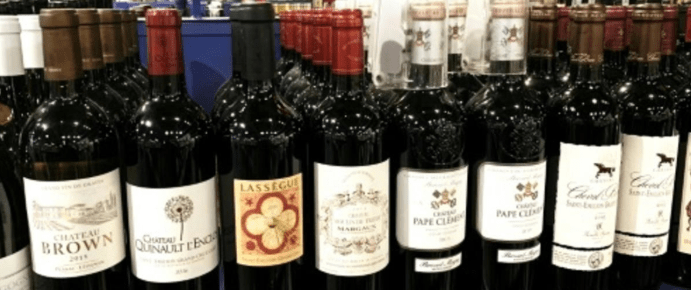
People sometimes shy away from French wine
because they are unable to determine what type of wine they are selecting. No where will you see the varietal of grape
identified. This is because France
identifies its wines using the Appellation System, a complex system of laws that
define each wine region and its boundaries and imposes strict rules around
winemaking practices.
Most appellations take the form of place
names, such as Champagne or Bordeaux. What this means is that the grapes grown
in each region are consistent with all of the wine producers within that
region. This becomes the key to
understanding what grapes are contained within a particular French wine.
Here is a brief explanation of what grapes
are grown in each of the appellations.
Hopefully this will help you crack the code to identify the varietals
found in French wines.
Alsace
Alsace is the only French wine region to
grow significant quantities of Riesling and Gewurztraminer grapes, as well as
Pinot Gris.
Alsace Grand Cru wines are general only
allowed to be made from these three varieties but may also contain some Muscat.
Chasselas, Pinot Blanc and Auxerrois are
also grown although these three varietals tend to be used only in blends.
There are some red wines produced in the
region as well, mainly from Pinot Noir. Alsace
Pinot Noirs are typically lighter-bodied and more rustic than the majority of
Pinot Noir wines produced in France.
Bordeaux
Bordeaux is produced in the southwest of
France. The majority of Bordeaux wines
are the dry, medium- and full-bodied red Bordeaux Blends. There are some high-quality
white wines as well, both dry styles and the sweet, botrytized varieties. Botrytis is a type of fungus that generates
sugar and sweetness in the grapes.
Most Bordeaux reds are made from a blend of
Merlot and Cabernet Sauvignon. Merlot is
the most common red wine grape in Bordeaux, followed by Cabernet Sauvignon and
then Cabernet Franc. Petit Verdot, Malbec and Carmenère are also permitted, but
only make up around two percent of the red grape total.
Bordeaux’s white wines are generally blends
of Semillon, Sauvignon Blanc and Muscadelle. Sauvignon Gris the only other
white variety that is permitted.
Burgundy
The two key grape varieties of Burgundy are
Pinot Noir and Chardonnay. Gamay and Aligote are also grown throughout the
region, producing more rustic styles of wine. Gamay is used in the red and rosé
wines.
Beaujolais
Beaujolais is famous for its vibrant, fruity
red wines made from Gamay.
Pinot Noir is used in small quantities in
red and rosé wines, but is being phased out. Although best known for its red
wines, the region also produces white Beaujolais Blanc, from Chardonnay and Aligote.
Champagne
Champagne is the name of the world’s most
famous sparkling wine. While it has been used to refer to sparkling wines from
all over the world, Champagne is a legally controlled and restricted name.
Pinot Noir, Pinot Meunier and Chardonnay are
the primary grape varieties used to make Champagne.
The key Champagne styles differ in their
color, sweetness, base grape varieties, and whether they are the product of a
single vintage or several (referred to as Non-Vintage). The whites may be
either Blanc de Noirs (made from black-skinned grapes), Blanc de Blancs (made
from green-skinned grapes) or just plain Blanc (made from any combination of
the permitted varieties). Pink Champagne Rosé is made either by adding red wine
to a white blend or sometimes by fermenting the juice in contact with the
skins. These types all come with varying degrees of sweetness.
Cognac
Cognac is the world’s most famous brandy. It is graded in three official tiers, which
reflect how long the spirit spent in barrel. VS (Very Special) is the lowest
tier and means the brandy has been stored for a minimum of two years in casks.
VSOP (Very Special Old Pale) is the middle tier and denotes Cognac that has
been aged for at least four years. XO is the finest grade and is reserved
exclusively for those cuvees aged for six years or more.
Corsica
Corsica is an island in the Mediterranean
Sea, located between the southeast coast of Provence and the west coast of
Tuscany. Although it is closer to Italy, Corsica is governed by France. The
island’s Italian origins are evident in its wines, which are made predominantly
from the Italian classics Vermentino and Sangiovese.
Corsica’s wines have both a French and
Italian influence. Pinot Noir, Grenache, Tempranillo and Barbarossa are all grown
there alongside one another.
Grenache is a primary ingredient in many
Corsican red wines and Syrah, Mourvedre, Cinsaut and Carignan all play a
variety of supporting roles.
The only white varietal is Vermentino/Rolle.
Coteaux
du Lyonnais
These wines are of a lighter style similar to
those produced in Beaujolais. The red wines are produced from Gamay grapes.
A small amount of white wine is made from
Chardonnay and Aligoté. Occasionally some Pinot Blanc is added to the blend.
These are traditionally dry, floral styles, some of which are matured in oak
barrels for up to a year to produce a slightly more structured, weighty
version.
Jura
Jura is a small wine region in eastern
France.
The five main grape varieties used in the
region are Poulsard, a red grape which accounts for about one-fifth of the
region’s plantings; Trousseau, the other local red variety, covers only the
warmest 5% of Jura’s vineyards; White Savagnin, which is responsible for the
idiosyncratic vins jaunes (‘yellow wines’);
Pinot Noir; and Chardonnay.
Dry white wines are also made in Jura,
increasingly from Chardonnay as are dry red wines produced from Pinot Noir.
Loire
The Loire Valley is a key wine region in
western France.
White wines are the Loire Valley’s best
wines, and account for the vast majority of production. The key white-wine
grape varieties used to make Loire Valley whites are Sauvignon Blanc, Chenin
Blanc, Melon de Bourgogne and, more popular than traditional, Chardonnay.
Loire reds are of increasingly high quality.
The number one red-wine variety is
Cabernet Franc. Lighter-bodied red wines are made from Pinot Noir, Malbec
(known here as Côt) and Gamay.
Moselle
Moselle is an appellation covering white,
red and rosé wines. While Auxerrois
Blanc, Muller-Thurgau and Pinot Gris are the principal varieties set out in the
appellation law, Gewurztraminer, Riesling and Pinot Blanc are permitted in the
white wines in limited amounts.
The reds must be made entirely of Pinot
Noir, but Moselle rosés may have a proportion of Gamay.
Provence
Provence is a wine region in the far
southeastern corner of France, best known for its rosé wines.
Traditional varieties such as Carignan,
Barbaroux (Sardinia’s Barbarossa) and Calitor are being replaced by more
commercially viable grapes like Grenache, Syrah and Cabernet Sauvignon.
The more successful local varieties
Mourvèdre, Tibouren and Vermentino are incorporated in Provence’s red, rosé and
white wines respectively.
Rhône
The Rhône Valley is a key wine-producing
region in the southeast of France. The
smaller, more quality-driven northern section focuses on Syrah for red wines
and Viognier, Marsanne and Roussanne for whites. The larger south region contains a much
longer list of varieties; the most notable of these are the red Grenache Syrah and
Mourvedre, which are combined to produce the ‘GSM’ blend.
Savoie
Savoie is a wine region in eastern France. Around three-quarters of the region’s wines
are white. Jacquère is the most widely
planted white grape variety. Altesse,
known traditionally here as Roussette, is used to produce some of Savoie’s
finer wines.
As in many other areas of France, Chardonnay
is increasingly being planted in Savoie. It is used in still and sparkling
wines.
Although Savoie is dominated by white wines,
it does have a standout red variety, Mondeuse. Gamay and Pinot Noir are also grown.
These are lighter in style than their respective counterparts in Beaujolais and
Burgundy.
Personally, I am most attracted to the reds
of the Rhône. I find them to be very
versatile, being both full bodied and flavourful while at the same time being
smooth. They are suitable for pairing
with a favourite meal or simply enjoyed on their own.
No matter what your likes or dislikes, don’t
allow yourself to be intimidated by foreign wine labels. Be adventurous and go exploring.
Similar to Canada, France and Germany, Italy
has developed its own safeguards where grape growers and producers must adhere
to strict regulations in order to be certified. The laws also govern things like the type of
grapes used, the alcohol content, and how long the wine is aged.
Italian certification falls into three
categories of decreasing strictness: DOCG, DOC, and IGT.
Denominazione di Origine Controllata e
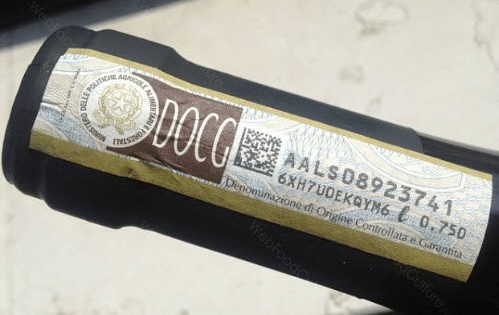
Garantita (DOCG) wines contain the DOCG letters on the label. For the consumer this means that the producer
followed the strictest regulations possible to make that wine. The wine is
tested by a committee that then authenticates the geographic location and the
quality of the wine. There are currently only a handful of Italian wines that qualify
for DOCG status. DOCG wines are easy to
identify as they contain a numbered government seal attached to the neck of the
bottle.
Denominazione di Origine Controllata (DOC) wines
are much more commonly found. The rules governing quality and authenticity are
still very strict, but not quite as stringent as those containing the DOCG insignia.
For instance, the geographic zone might be a little bigger or the rules about
what kind of grapes might be a little more relaxed. The letters DOC will be found on the label,
similar to DOCG.
The final quality designation is Indicazione
Geografica Tipica (IGT). This category was created after the DOC and
DOCG designations in order to accommodate growers who couldn’t meet all the DOC
or DOCG requirements but were still producing good quality wines.
The following will help provide an
understanding of the information commonly found on an Italian wine label.
Abboccato = Slightly sweet
Amabile = Medium sweet
Amarone = Dry red wine made from dried grapes
Azienda/Tenuta/Podere = Estate
Bianco = White
Cantina = Winery
Cantina sociale = Co-operative winery
Chiaretto = Pale red or dark rosé
Classico = Denotes the traditional, theoretically superior, vineyard area within a DOC/DOCG zone
Dolce = Sweet
Frizzante = Slightly sparkling
Imbottigliato all’origine = Estate bottled
Metodo Classico = Sparkling wine made by the classic Champagne method
Novello = Describes light, fruity wines intended for early consumption rather than cellaring
Passito = Generic term for wine made from dried grapes (usually sweet but occasionally dry)
Recioto = Sweet red or white wine made from dried grapes (a form of passito)
Ripasso = Full-bodied, powerful wine style made by re-fermenting wine with amarone grape skins
Riserva = Denotes extended aging (in cask, then bottle) before the wine is sent to market
Rosato = Rosé
Rosso = Red
Secco = Dry
Spumante = Sparkling
Superiore = Wines with greater concentration and higher alcoholic strength
Vendemmia = Vintage
Vigneto = Vineyard
Vin Santo = A dessert wine style originally from Tuscany, generally made from air-dried grapes
Trebbiano = A name shared between many different Italian grape varieties, planted almost everywhere within Italy. It is dark gold or amber-coloured with high acidity and a rather neutral flavour profile
I myself have sampled quite a few Italian wines over the years and they have not all been DOCG or DOC. I have found that IGT wines are often very similar in taste to their higher rated cousins. In general, the quality standards are very good.
With Italian wines I am more inclined to purchase what intrigues me and not pay so much attention to whether it contains a certain insignia. It is also interesting to note that the price point of DOCG wines is often no higher than, and sometimes even less than DOC or IGT wines.
Germany’s wine governing body is the
Association of German Quality and Prädikat Wine Estates known as Verband
Deutscher Prädikats- und Qualitätsweinguter (VDP). This is an association of about 200 top
German wineries. Membership is voluntary but requires adherence to strict
standards well above those required by German wine law.
Since 1910, the VDP and its black eagle logo
have been an important, although unofficial, symbol of German wine quality. The
association has created its own wine quality system based on the vineyard
classification terms ‘Grosse Lage’ and ‘Erste Lage’ (similar to France’s Grand
Cru and Premier Cru).
Grosse Lage is used only for Germany’s very
best vineyard sites – small, carefully demarcated areas with clear
site-specific characteristics. Yields on these sites are limited to 50
hectoliters per hectare, which generally equates to about 8,000 kilograms of
grapes per hectare, if that is any help giving you a visual.
Grosse Lage vineyards produce Grosses
Gewächs (a dry wine). A Grosses Gewächs may be either white or red wine,
depending on the vineyard.
Erste Lage identifies first class vineyards
with distinctive characteristics, but which rank a little behind Grosse Lage in
terms of quality. Yields are limited to 60 hectoliters per hectare.
From a government perspective, German wine is classified into 1 of 4 quality categories: Deutscher Wein, Landwein, Qualitätswein (QbA) and Prädikatswein. The latter is further divided into levels of ripeness: Kabinett, Spätlese, Auslese, Beerenauslese, Eiswein and Trockenbeerenauslese.
Kabinett = the lowest level of Prädikatswein. It is lower in ripeness than Spätlese
Spätlese = a white wine made from fully ripe grapes harvested late in the season
Auslese = a late harvest white wine made from grapes that are riper than Spätlese
Beerenauslese = made from individually selected grapes that are very ripe. Usually these grapes have been affected by Botrytis cinerea, (noble rot), further concentrating their high sugars. As a result these wines are rare and costly.
Eiswein = an icewine/dessert wine produced from grapes that have been frozen while still on the vine.
Trockenbeerenauslese = a medium bodied dessert wine with the highest sugar concentration of any German wine ity. Yields
Each of the quality categories is determined
by the level of ripeness that the grapes have achieved by the time they are
harvested. Generally speaking riper grapes provide more aroma and more flavourful
wine. It is interesting to note that ripeness is used as the basis of the
quality scale because it is not uncommon for grapes to not fully mature before
being harvested. This is due to the cool
climate conditions which can reduce the growing season.
The German wine law identifies Prädikatswein (previously referred to
as Qualitätswein mit Prädikat (QmP)), as representing graduating ripeness
levels in ascending order: Kabinett, Spätlese, Auslese, BA, and TBA. These
wines are all naturally produced with no chaptalization (no sugar is added). This sounds like a winner to me.
The second category is Qualitätswein (QbA). These
wines must comply with the regional appellation laws and are tested for
compliance by an official committee. The
laws ensure that the wine is from one specific wine-growing region, is made of
approved grape varieties and reached sufficient ripeness for a quality wine. Those wines that successfully meet the
standard receive an AP-Number.
About three-quarters of all German wine are
in this category. A QbA wine must be
made exclusively from grapes grown in one of Germany’s 13 official wine
regions, called an Anbaugebiete.
It is interesting to note that the wines in
this category are chaptalized (have sugar added to the juice before
fermentation to increase the alcohol level after fermentation).
The third category is Deutscher Wein, which consists of normally ripe and slightly under
ripe grapes. This class of wine is primarily consumed in Germany with very
little being exported to North America. These wines only have to comply with
few restrictions and the wines are not officially tested. They do not have an
AP-Number. This would be the equivalent
of France’s Vin De Pays and Europe’s IGP category.
A superior type of Deutscher Wein is Deutshcer Landwein, which has a minimum
of 0.5% more alcohol. The wine must come from one of 19 specified wine
districts. A Landwein must not contain more than 18 grams of sugar per liter.
From my interpretation I would see only the Qualitätswein
(QbA) and Prädikatswein being a worthwhile pursuit in your wine search. Grosse Lage and Ertse Laga wines would be
included in these categories. Personally I am not a fan of incorporating sugars
that are not part of the natural fermentation process, so I limit my own search
to Prädikatswein grade wines.
Here are some hints that will help you interpret German wine labels.
Amtliche Prüfungsnummer (A.P. Nr) = Quality control number, granted after official quality testing
Anbaugebiet = One of Germany’s 13 wine regions
Bereich = One of Germany’s 39 wine districts, which make up the 13 Anbaugebiete
Einzellage = Single vineyard, meaning the grapes used to produce the particular wine came from one vineyard. This helps to ensure quality control and consistency of the grape content
Erste Lage = High quality vineyard, similar to France’s ‘Premier Cru’
Goldkapsel = ‘Gold capsule’, indicating a producer’s finest wine
Grosslage = Collection of vineyards; the opposite of Einzellage above
Grosse Lage = Top-quality vineyard, similar to France’s ‘Grand Cru’
Grosses Gewächs = Dry wine from a Grosse Lage vineyard
Gutsabfüllung = Estate-bottled wine
Halbtrocken = Medium-dry
Liebfraumilch = Semi-sweet style, made most often from Muller-Thurgau grapes
Oechsle = Unit of must-weight (grape sugar content)
Prädikat = ‘distinction’, or ripeness level
Rotwein = Red wine
Rotling = Rosé wine made from red and white grapes
Schillerwein = Rotling-like rosé style from Württemberg (and N.Switzerland)
Sekt = Sparkling wine
Trocken = Dry
VDP Verband Deutscher Prädikats = Qualitätsweinguter, which is described above
Weingut = Wine estate
Weinkellerei = Winery
Weissherbst = Rosé made from a single red-wine grape variety
Weisswein = White wine
I have had a number of wonderful German Rieslings and Gewürztraminers over the years and I must admit that I have not paid attention to the quality rating the wine has had. However, not being a fan of overly sweet wine, I do pay attention to the scale of dryness.
I sometimes hear that although someone
prefers red wine over white wine, they have to drink white wine because red
wine causes them grief, usually in the way of heartburn or headaches. Don’t give up hope quite yet; there are some
potential remedies that may allow you to enjoy red wine again.
For
anyone suffering from heartburn after drinking red wine, quite often it is the
tannin that is the culprit. Therefore, I
suggest trying younger, fresher wines, such as Baco Noir and Pinot Noir and
stay away from Cabernet Sauvignon, Cabernet Franc, and Syrah/Shiraz. The young fresh wines will contain less
tannin.
Another good way to determine how much
tannin is in a red wine is to look and see how long the wine can be kept
for. In the Vintages section of your
local LCBO this is identified by the wine bottle icon found on the description
card attached to the display shelf. The
bottle will either be vertical, on a slant, or horizontal. Wines with higher contents of tannin are
ones that can be retained for at least several years. Those will be the ones with the horizontal or
slanted bottle icon.
This being said, the reds with the slanted
bottle icon should not be automatically rejected. Those that have been released within a couple
of years of being produced and recommended
for consumption within the next couple of years, will have considerably less
tannin than those that can be cellared
for a number of years. It will
require experimentation to determine how much tannin your stomach will
comfortably tolerate.
I also suggest avoiding red wines from
warmer climates, such as Australia and South America. These wines tend to be bolder and stronger in
flavour than wines from countries such as Canada or France. Wines from warmer climates tend to have
longer growing seasons, thus intensifying the wine which can result in a higher
degree of tummy agitation.
If red wine gives you headaches tannin again
can be the instigator. Tannin consists
of plant chemicals that contain antioxidants that can generate neurotransmitter
serotonin. This in turn can cause
headaches in some people. Selecting a
red wine that contains lower amounts of tannin may be of great benefit.
However, tannin is not the only cause of
headaches. Some individuals lack the
ability to breakdown the high level of histamine that is contained within the
red grape skins. The result is a type of
allergic reaction that comes in the form of a headache. The recommended solution for this is to take
an antihistamine before consuming your favourite red.
Finally, a local potter once told me that a pottery wine challis that is unglazed inside will neutralize the tannin thus making the wine easier on both the stomach and the head. It may be worth the investment to see if it works for you. The worst case would be you have a new fancy wine vessel taking space in your cupboard that can be repurposed.





 A Layman's Wine Musings