I have put together my 2021 list of British Columbia wineries to watch for. Not all of these wines will be available at your local wine store; some are available in British Columbia wine stores, but most may be purchased online or directly from the winery.
My selections are based on my interpretation of recent trends, the wineries successes and the quality of their wine, their wine-making practices and what makes them stand out above their competitors at the present time. My list is presented in no particular order.
Mission Hill Family Estate Winery, West Kelowna
Mission Hill uses sustainable organic farming practices with the use of modern technology. Their wines are carefully aged with new and Old World techniques. They employ the use of bees, falcons, and chickens in lieu of pesticides and insecticides. Cover crops, earthworms, and compost are used in place of chemical fertilizers.
Their winemakers’ practices are fundamentally rooted in Old World techniques that are supported with modern technology. Drones provide a high-level view of the vineyard’s health. Soil science pinpoints the areas where best to plant the vines.
The winemaking team strives to be continually innovative, combining fermentation and maturation vessel traditions with future trends. The equipment and processes are designed to best serve the wines.
Mission Hill has 3 collections of wines: the Reserve Collection, Terroir Collection and the Legacy Collection.
Reserve Collection
The Reserve Collection expresses hand-selected blocks of grapes, extreme viticulture management, longer barrel time, and increased lees stirring, which is a process to handle the yeast during the fermentation process.
Terroir Collection
Only the top 3% of all of the winery’s fruit is hand-selected for these wines and each individual lot is carefully tasted throughout the winemaking process to ensure its quality level before the final blend.
Legacy Collection
The grapes are hand-harvested and hand-sorted, consisting of the top 1% of the harvest from all of their vineyards. They benefit from extended barrel aging which is followed by a 24-month period in-bottle prior to release.
These wines are small lot and limited production collectibles. Cellar-worthy, they may be aged for decades. The collection includes Compendium, Quatrain, Prospectus, Perpetua and their flagship wine, Oculus.
Covert Farms Family Estate, Oliver
Covert Farms Family Estate practices organic farming with minimal intervention winemaking. Regenerative agriculture offers many benefits to the farming ecosystem such as increasing soil organic matter, greater water holding capacity, improved nutrient cycling, pest and disease suppression through enhanced soil biology, and ultimately higher nutrient density in the vines.
They hope to introduce Dry Farming to the vineyards within the next few years which would provide such benefits as enhanced resiliency to climate change and potential increase in wine quality attributes.
They practice regenerative farming, which is based on five principles that need to be implemented together: no-till or minimal tillage, keeping the ground covered, species diversity, keeping living roots in the soil as much as possible and integrating livestock.
Regenerative agriculture offers many benefits to the ecosystem such as increasing soil organic matter, carbon capture, greater water holding capacity, improved nutrient cycling, pest and disease control through enhanced soil biology, and ultimately higher nutrient density within their crops.
Minimizing tillage is challenging in organic agriculture as this is one of the only means to manage weeds. They have been adapting their systems and processes and have had good success in the vineyards. Interestingly, the longer the soil is undisturbed, the fewer weeds there are.
Tantalus Vineyards, Kelowna
Tantalus Vineyards put incredible care into everything they do, from farming to winemaking and including the winery being Leadership in Energy and Environmental Design (LEED) certified. It is also LIVE certified. LIVE has independently certified the sustainable practices of winegrowers in the Pacific Northwest, using the latest in university research and internationally accredited standards.
Riesling is the major focus at Tantalus; it is an Okanagan icon. However, their Pinot Noir is very good as well.
Final Thoughts
Obviously these are far more than just 3 good wineries in British Columbia. In fact I have purposely excluded some of my personal favourites from this list as they were not what I consider as the innovative leaders this year. Included in that list would be Osoyoos Larose, Quails Gate and Gray Monk.
Unfortunately, it is unlikely that you will find many of the wines produced by these wineries outside of British Columbia. However, lucky for us many of the wineries offer online ordering.
Switzerland may be a little known wine producing nation but it has been making wine for more than two thousand years. Swiss wine’s lack of fame is not due to any lack of quality or quantity, but because it is produced mostly for the Swiss themselves.
The Swiss consume nearly all the wine they make. In 2016, Swiss residents drank 89 million litres of domestic wine which made up only about a third of the total 235 million litres of wine they drank. They export only about 1% of their wine production and the majority of that goes mainly to Germany.
Things are gradually changing as the world is beginning to discover the high quality of Swiss Pinot Noir and white wines made from the locally grown Chasselas.
Switzerland possesses multi-cultural influence. The Germanic wine influence is demonstrated by a preference for varietal winemaking and crisp, refreshing wine styles, and is most prevalent in the German-speaking north between Zurich and the Rhine. French influences are felt mostly in the French-speaking south-west in Geneva, Vaud and Valais. Switzerland’s favourite grape varieties – Chasselas, sometimes referred to as “Fendant”, Pinot Noir, Gamay and Merlot are all of French origin.
Do to the terrain, Swiss wines are some of the world’s most expensive. Many vineyards are inaccessible to tractors and other vineyard machinery so most work is done by hand. This substantially increases production costs. This does have an advantage; when grapes are harvested by hand, there is an obvious incentive to favour quality over quantity.
The Chasselas white wine grape is gradually giving up production to more popular ‘international’ varieties like Chardonnay and Sauvignon Blanc. Riesling, Pinot Gris, Pinot Blanc and Gewurztraminer are also grown in Swiss vineyards.
Red wines now outnumber whites in Switzerland. Pinot Noir, also known as Blauburgunder, is the most widely produced and planted variety in the country, making up almost 30% of wines produced. Chasselas represents just over a quarter of all wines.
The next most popular wine in the red category is Gamay. It is often blended with Pinot Noir to produce “Dôle” wines.
Also significant among Swiss red wine grapes is Merlot. Syrah has also done well here, even if only in the warmest parts of the country.
Wine has been produced in Switzerland for more than 2,000 years. As in France, the spread of viticulture during the Middle Ages was mainly driven by monasteries.
Today the Swiss wine industry has about 16,000 hectares of vineyards that produce about 100 million liters of wine each year.
The government body in charge of the Swiss appellation system, the OIC, has a separate title for each of the country’s three official languages: “Organisme Intercantonal de Certification” in French, ‘Interkantonale Zertifizierungsstelle” in German and “Organismo Intercantonale di Certificazione” in Italian. The OIC is responsible for delineating the official Swiss wine regions and creating wine quality guidelines and laws. The OIC is reportedly in talks to bring their labelling practices into line with European standards even though the country is not a member of the European Union.
I myself have never had the opportunity to try Swiss wine but I will keep an eye out for it whenever I cruise the aisles in the Vintages section of my local liquor store.
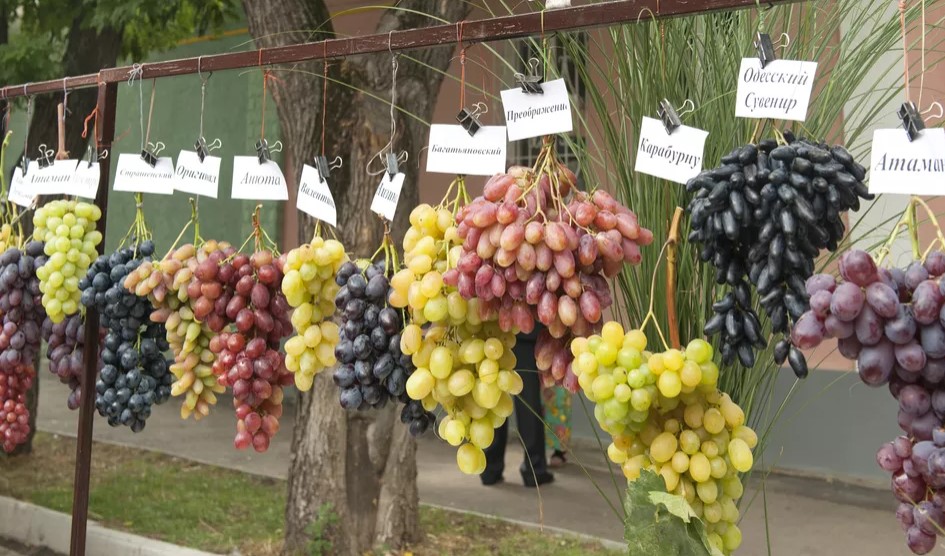
There are in excess of 100 grape varietals that have 2 or more uniquely different names. Many of these have multiple names within the same country! I have compiled a list of the more common ones that make an appearance in wine stores in North America.
So what’s in a name? Are they always interchangeable, or does their place and name hold a clue to their style?
Where a grape is grown may greatly impact its flavour. I have compiled some examples where this is the case.
Red Varietals
Blaufränkisch grapes, also known as Lemberger, Kékfrankos, Frankovka, and Frankinja, are found in the temperate and distinctly continental latitudes of Central Europe. In eastern Austria, it’s known as Blaufränkisch. In southern Germany, it’s Lemberger. It also goes by Kékfrankos in Hungary, Frankovka in northern Croatia and western Slovakia and Frankinja in eastern Slovenia. No matter the name, it produces quality reds that age well. It also forms part of Egri Bikaver, Hungary’s historic “bulls’ blood” wine.
Fairly full-bodied for such northerly reaches, Blaufränkisch produces structured, elegant wines. Cooler vintages or sites add an irresistible pepperiness to the usually dark-fruit spectrum, where there are notes of dark cherry and blueberry.
Vinified in stainless steel, Blaufränkisch is sometimes confused with fuller-bodied Gamay. However, when aged in small, new oak barrels, Blaufränkisch attains some punch and needs to be laid down for a few years to return to its inherent subtlety.
Grenache, also known as Garnacha and Cannonau is known for its luscious red fruit flavours. Grenache is an archetypal Mediterranean variety. It needs full sun, will withstand heat and drought and it thrives on meager, stony soils.
Grenache is full-bodied without being tannic. It can also make charming, aromatic reds in the Rhône cru villages of Vinsobres, Rasteau, Gigondas and Vacqueyras. As Cannonau in Sardinia, it’s bigger, stronger and bolder.
Malbec, also known as Côt, is synonymous with Argentina, where this aromatic, black grape revels in the bright, high-altitude sunshine of the Andes.
Malbec is sometimes referred to as Côt in France. It’s even one of the five permitted varieties in red Bordeaux, even though it ripens unreliably there. In France’s cooler Loire Valley, Côt produces wines that are very fresh, and often spicy.
The Mourvèdre grape also referred to as Monastrell, Mataro, Rossola Near and Garrut, is a thick-skinned, small-berried grape of Spanish origin that thrives in hot climates. Mourvèdre is at home on the Mediterranean coast in Spain, where it’s called Monastrell, and forms the gutsy, heavy, tannic reds of Yecla, Jumilla and Alicante. In Australia, where it’s known as Mataro, it is included in Grenache, Syrah and Mourvèdre blends.
The Primitivo grape of Italy is also known as Tribidrag or Crljenak Kaštelanski in its native Croatia and Montenegro, as Primitivo in Puglia and as Zinfandel in California.
As a red wine, Zinfandel always boasts full, juicy and plump fruit that covers a spectrum of ripeness, often with elevated alcohol levels of up to 14%. In Puglia, Primitivo is smooth and warming. On an inland elevation, Gioia del Colle produces the freshest versions, while coastal Primitivo di Manduria is strong, dense and powerful. In Croatia and Montenegro, Tribidrag is produced as a fruity local wine.
Syrah, also known as Shiraz, can taste almost like polar opposites depending on the climate. Syrah was traditionally a French grape found in the Northern Rhône region. There the grape has firm, drying tannins and is more slender.
Known as Shiraz in Australia, the grape is most distinct in the hot Barossa and warm McLaren Vale regions, but it also thrives in cooler Canberra. Australian Shiraz is often described as peppery, big and bold.
White Varietals
Chenin Blanc is also known as Pineau de la Loire and Steen. It is native to France’s cool Loire Valley, where it is also called Pineau de la Loire. Its acid is high, and its expression always tinged with apple flavors that range from green to dried.
It’s inherent acidity makes Chenin Blanc a popular grape in South Africa, where it’s referred to as Steen.
Pinot Gris, also known as Pinot Grigio, Grauburgunder, Fromenteau, Pinot Beurot, Ruländer, Malvoisie, Pinot Jaune and Szürkebarát, may range from being an easy-drinker to a full-flavoured white.
Easy-drinking, lighter versions are often labeled Pinot Grigio, while rounder wines, often with some residual sweetness, are designated Pinot Gris. Pinot Gris makes full-fruited, rounded whites heavy enough to accompany red meat and are suitable for aging.
The Vermentino grape is also known as Rolle, Pigato, and Favorita and thrives in Italy, France and on the islands of Corsica and Sardini., prized for its fine, crisp acidity.
On its own, Vermentino displays citrus aromatics and inherent crispness. From the Tuscan coast, it evokes a citrus-scent. Pigato, from Liguria, while still fresh, is a little more robust and structured.
As Vermentino di Gallura from Sardinia, the grape is fuller-bodied with intense, medicinal notes of lemon balm and yarrow. When grown in places such as Italy’s Piedmont region, it is known as Favorita. There the grape takes on an aromatic quality. More recently, Vermentino is also finding a new home in Australia.
The Lists
Below is a more complete list of both red and white varietals and countries where they are located.
Reds
Varietal
Location
Blaufränkisch / Limberger
Austria, Germany, Slovakia, Hungary, Romania, Croatia, Italy, USA
Selecting a wine can be confusing enough without adding the complication of a single varietal having multiple names. Hopefully this helps remove some of the mystery for you.
Have you ever noticed the variety of shapes and colours of wine bottles? Have you ever wondered whether there is any rhyme or reason for this? The differences in wine bottle shapes are purely regional variations that have more to do with glassblowing techniques than the flavours of the wine.
The Pinot Noir or Pinot Gris bottle shape differs from a Cabernet Sauvignon or Sauvignon Blanc bottle shape. Bottles are deliberately shaped a certain way in order that the region of origin may be identified. Pinot Noir, Pinot Gris and Chardonnay are presented in a Burgundy shaped bottle with less pronounced shoulders that slope downward. On the other hand, Cabernet Sauvignon, Sauvignon Blanc and Merlot are presented in a Bordeaux shaped bottle, which has distinct, high shoulders and a deep punt on the bottom of the bottle.
There’s no scientific reason why you couldn’t put Pinot Noir in a Bordeaux bottle, but vintners around the world still use the traditional wine bottle shapes for the region with which their wines are associated. For most, it’s simply a matter of tradition. But it also makes it easy for people to identify different types of wine by sight. Bottles are colored differently for the same reason.
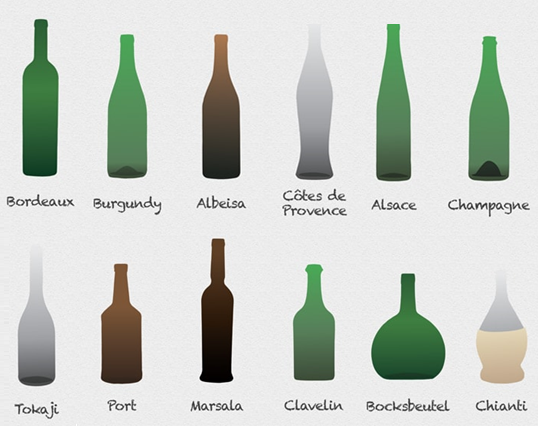
While there are innumerable varieties of wine available in the market, the bottles themselves generally fall into a few specific shapes. There are 12 basic shapes of wine bottles.
Bordeaux
It’s the most common shape of bottle and as the name indicates, it originated in Bordeaux. It has straight sides and distinct shoulders. The bottle is generally dark green or brown for red wines and light green or transparent for white wines. There is a good reason for the colour difference. The coloured glass protects red wines from the sun’s rays, and a transparent bottle improves the colour of white wines.
This type of bottle is used for a variety of grapes, such as Cabernet Sauvignon, Merlot, Malbec, Sauvignon Blanc, Chenin Blanc, Semillon and Sauternes.
Burgundy
The burgundy bottle was introduced in Burgundy around the 19th century, before the Bordeaux bottle. This bottle has sloping shoulders and the colour of the glass is green. The grape varietals stored in a burgundy shaped bottle include Pinot Noir, Chardonnay, Syrah, Nebbiolo and Pinot Gris.
Albeisa
This bottle originated from Langhe, Piedmont, Italy. It was first used near the beginning of the 18th century. It looks similar to the Burgundy bottle and is used for the great red wines of Piedmont, such as Barolo and Barbaresco.
Côtes de Provence
The shape of the bottle is a mix between a Greek amphora vessel and a bowling pin. It’s the typical bottle for the wines of Côtes de Provence, which includes a variety of rosés and reds. In Italy, it’s used for Verdicchio wine.
The glass for this type of bottle is typically transparent or light green in the case of Verdicchio wines.
Alsace
Alsace bottles are taller and thinner in shape compared to the other bottles. They have gently sloping shoulders. The colour is green for German wines and brown for French. The main grape contained in this type of bottle is Riesling.
Champagne
Champagne bottles are unique because they need to withstand up to 90 psi of pressure of the sparkling wines contained within them. It’s also heavier and thicker, with a hollow bottom. The shape looks similar to the Burgundy bottle. The colour is usually varying shades of green, ranging from light to dark.
Tokaji
This shape is used for Hungarian Tokaji and it has a capacity of 0.5 litres. The glass is transparent.
Port
A Port bottle is typically used for Port, Madeira and Sherry wines. The bottle has a bulb in the neck, which is intended to trap excess sediment during the pouring. The colour of the glass can be varying shades of green or brown.
Marsala
A Marsala bottle looks similar to the Port bottle but it is higher and thinner. It’s used for Marsala wine. The glass is typically dark brown or black in colour.
Clavelin
This bottle is short, stocky and heavily built. It’s the only bottle authorized for Vin Jaune. Its capacity is 0.62litre. Vin Jaune (French for “yellow wine”) is a special and characteristic type of white wine made in the Jura region of France. It is similar to dry fino Sherry.
Bocksbeutel
Bocksbeutel is completely different from the other wine bottle shapes; it is a flattened ellipsoid. The glass is a dark green colour. It’s used for the red wines of Germany’s Franconia region, some Portuguese wines, and Italy’s Orvieto wines. This particular shape is protected under the European Union.
Chianti
This is the old bottle of Chianti wine which is no longer in use. The bottle gave a rustic aspect to the wine. It was round, so it required a basket to allow it to stand upright on the table. The capacity was about 2 litres. Once empty these bottles were often used as candlesticks.
Over the past few weeks I have been asked several times for recommendations for wines that can be obtained from the local liquor store. The truth is I can’t really suggest any particular wine as I don’t tend to favour any particular winery. Instead I usually select my wines from the Vintages section at the LCBO. I do this for a couple of reasons. First the LCBO has a rule whereby in order for a wine to appear on the regular shelves it has to be available on an ongoing basis. This restricts the suppliers to only the largest producers; those who often purchase grapes from a wide variety of growers thus increasing the risk of producing an inconsistent product. Also because these wineries have become so well-known, some of them over-charge for the quality of the product produced.
The challenge with the Vintages section is that many of the wines brought in are in limited supply with new releases appearing every 2 weeks. The wines are often from estate wineries that produce smaller and limited volumes. Thus if you are seeking wine from a specific winery you may go months or even years before it reappears on the shelves. I have found that I have been very rarely disappointed in any of my Vintage purchases. What I focus on is the grape varietal or the region the wine comes from rather than who the vintner is.
I find the LCBO’s Vintages magazine, a bi-weekly production that identifies and provides reviewer notes and comments about the various wines being released, to be very informative. It provides the necessary details I need to assist me with my purchasing decisions. Helpful information includes the name of the vintner, varietal(s), tasting notes, suitability for cellaring, and of course, the price. If you have questions or need assistance in making a decision as to which wine to buy, the staff are very informative and helpful.
The price of wine in the Vintages section is no more expensive than those found on the regular shelves but dollar for dollar I find them a better value. Personally, I am a big fan of Italian Barolo, Valpolicella and Chianti; French wines from the Rhône and Bordeaux regions; Rieslings from Germany’s Mosel region; Spanish wine from Rioja; and a wide variety of wines from Ontario and BC.
Due to COVID-19 there have been challenges in the liquor stores receiving many of the wines they expected; or if they have received the wines they are sometimes of a lesser quantity than anticipated. On more than one occasion during recent months have I been unable to acquire many of the wines I was hoping for. One week the liquor store received only two of the seven wines I was looking for and on another occasion they received none of my desired selections.
Rioja, situated in Northern Spain, is best known for berry-scented, barrel-aged red wines made from Tempranillo and Garnacha grapes. It is arguably Spain’s top wine region and the most famous. The vineyards follow the shores of the Ebro River for roughly 100 kilometers between the towns of Haro and Alfaro.
In addition to Tempranillo and Garnacha, Graciano and Mazuelo (Carignan) are also used in red Rioja wines. A few wineries also use small quantities of Cabernet Sauvignon. White grapes on the other hand are not widely planted.
By 2017 the vineyard area was recorded at 64,215 hectares, 91 percent of which was planted with red grape varieties. Certified production of wine exceeded 250 million liters.
Aging Categories
Rioja’s traditional classification system for aging has influenced other Spanish regions. For example the words Crianza and Reserva occasionally appear on South American wine.
All top-end red Rioja is matured in new oak barrels. With French oak being difficult to obtain, winemakers in Rioja used American oak, which was both plentiful and inexpensive. More wineries are now using a mix of American and French oak. American oak maturation is what gives more traditional Rioja red wines their distinctive notes of coconut, vanilla and sweet spice.
The amount of time that a Rioja wine spends in barrel dictates which of the official Rioja aging categories goes on the label: Joven, Crianza, Reserva or Gran Reserva.
Joven
Joven is Spanish for “young”, indicating that these wines should be consumed within a short period of being released; generally within two years. Joven wine spends little or no time in oak barrels so they are low in tannin and are not suited for retention. This category may also include wines which have undergone aging, but for one reason or another do not gain certifications for the higher categories.
Crianza
Crianza red wines are aged for at least one year in oak, and another year in the bottle. They are released in the third year. White Crianza wines must also be aged for two years but only six months needs to be in barrels.
Reserva
Reserva red wines spend a minimum of one year in oak. They cannot be sent to market until a full three years after the vintage. The white Reserva wines need only spend six months of the three years in oak.
Gran Reserva
Gran Reserva red wines must undergo a total of five years of aging with at least two of those years being spent in barrels. The white counterparts must age for at least four years, with a minimum of 12 months in casks.
In order to be more competitive internationally, many wineries now produce a premium wine that is aged entirely in French oak barrels. Because these wines are often the most expensive in the winery’s portfolio, but may only qualify as Crianza or Reserva, they are not often marketed with any emphasis on the aging classification.
Site-Based Classifications
In 2018, the governing body Consejo Regulador introduced three geographic categories. These can be implemented from the 2017 vintage onwards.
If producers adhere to strict guidelines they may now produce single-vineyard wines under the Viñedo Singular banner. Vines must be hand-picked and be at least 35 years old. Yields are set low and a tasting evaluation must be passed. If the fruit is not from an estate-owned site, then the winery has to have a ten-year history of buying grapes from the vineyard.
Wine labels may now also be labeled with the name of a village but the winery must be located within the village boundaries, as well as the vines.
White Wines
Rioja Blanco consists of 7 to 8 percent of Rioja’s annual wine production. The region’s top white-wine grape was once Malvasia, which was used to create flavourful, oak influenced high-alcohol wines. Today, the emphasis has shifted to Viura (Macabeo) and Chardonnay, to give a slightly lighter, fresher and more international white-wine style. Other varietals that are now included in white Rioja are Garnacha Blanca, Tempranillo Blanco, Maturana Blanca, Verdejo and Sauvignon Blanc.
Other Styles
Rioja also produces some other styles of wine, the most notable of which are sparkling wines referred to as Cava. Certain parts of the region are authorized to produce Cava. A few dessert wines are also produced on a commercial scale from both red and white grape varieties.
The wines of Rioja are well worth a look. They are competitively priced and of equal quality to the better known Italian and French wines.
To say that this year has been unique would be an understatement, and though the holidays may not be the same as other years, there are still opportunities to celebrate even if only to reward yourself on navigating through these trying times.
Wines such as Amarone or Châteauneuf-du-Pape would be a wonderful gift for a wine enthusiast or add elegance to any holiday dinner. However, keep in mind that for a wine to be worthy of gift giving or dinner presentation, it need not be expensive. If you would like some guidance for gifting or dinner pairing, your local wine merchant can be most helpful at providing suggestions in all price ranges.
Given that 2020 has been very challenging for local businesses it has been suggested to pair wine that is being gifted with cheese, crackers, nuts or fruit from a local merchant, or a gift certificate from an area butcher or favourite restaurant. If this idea interests you, people have been sharing their thoughts at #PairitForward.
Below I have provided a list of wines that have caught my interest this season, a number of which are on my own personal shopping list. To help you decide whether any of these wines are best for you, I have included some of the reviewers’ comments and rankings.
White Wines
Domaine Chanson Les Chenevottes Chassagne-Montrachet 1er Cru 2014 – Burgundy, France ($89.95). This wine contains flavours of apple, lemon, pastry and honey. It was rated 93 by Bruce Sanderson of Wine Spectator.
Fess Parker Santa Barbara County Chardonnay 2018 – California ($21.95). There are light tropical notes, lemon confit, tangerine and mint. It was rated 90 by Antonio Galloni, vinous.com.
Lundy Manor Chardonnay 2016 – Niagara, Canada ($25.95). It has hints of vanilla and caramel. It was rated as 89 by Michael Godel, Wine Align.
Stoney Ridge Excellence White Meritage 2017 – Niagara, Canada ($22.95). There is an array of flavours of grapefruit, guava, passion fruit, lime and vanilla. This is the first time this wine has been offered for sale beyond the winery.
Tawse Limestone Ridge– North Estate Bottled Riesling 2017 – Niagara, Canada ($21.95). This wine is just off dry and well balanced between acidity and sweetness. It was scored a 93 by David Lawrason, Wine Align.
Whitehaven Greg Reserve Sauvignon Blanc 2019 – New Zealand ($23.95). There are hints of pear and tropical fruit.
Red Wines
Borsao Berola 2016 – Spain ($18.95). This wine has hints of cherries, other berries and herbs are prevalent. I have had this one before and am looking forward to buying it again. It provides great value for the price. It was rated a 90 by James Suckling.
Faust Cabernet Sauvignon 2017 – California ($59.95). This is a medium to full bodied wine that should be drunk from now until 2030. It was rated 92 by James Suckling.
Il Molino Di Grace Chianti Classico 2015 – Tuscany, Italy ($19.95). The solid tannins suggest that this vibrant cherry-like wine will age well. It can be enjoyed today or kept for up to 15 years. It was rated 92 by Bruce Sanderson, Wine Spectator.
Luce Brunello di Montalcino 2015 –Tuscany, Italy ($150.95). Enjoy the aroma of berries, cherries, flowers, black truffles and black tea. It is full-bodied with great tannins. It scored a perfect 100 from James Suckling.
Montecillo Gran Reserva 2010 – Spain ($29.95). This wine presents silky tannins that will keep it drinkable through to 2025. It was scored a 91 by Decanter.
Mission Hill Family Estate Reserve Meritage 2018 – British Columbia, Canada ($29.95). This wine consists of a blend of Cabernet Franc, Merlot and Petit Verdot. It has a classic French style structure.
Nicolas Père & Fils Le Jardin Du Pape Châteauneuf-Du-Pape 2016 – Rhône, France ($55.95). It is a blend of 60% Grenache, 20% Syrah and 20% Mourvèdre. Big acidity and tannins provide great aging potential. This is one of the wines on my list to purchase this holiday season. It was ranked a 95 at the 2018 Decanter World Wine Awards.
Pieropan Vigna Garzon Amarone Della Valpolicella 2015 – Veneto, Italy ($63.95). With plummy prune aromas, sweet spice and cherries, the drinking window is now to 2030. It was rated 94 by Michaela Morris of Decanter.
Queenston Mile Pinot Noir 2017 – Niagara, Canada ($40.00). It contains hints of cranberry, currants and cedar. This wine is full of flavour. It was rated as a 90 by David Lawrason, Wine Align.
Redbrooke Estate Cabernet/Merlot 2016 – Australia ($39.95). There are flavours of cassis and red berries. It was a gold medal winner at several Australian wine competitions and was scored a 95 by James Halliday, Wine Companion.
Sparkling Wines
Featherstone Joy Premium Cuvée Sparkling 2014 – Niagara, Canada ($34.95). It is crisp and fresh with hints of lemon, apple and pear.
Gardet Cuvée Tradition Saint Flavy Brut Champagne – France ($47.95). There are flavours of baked apples, croissants and almonds. It was rated a 90 by David Lawrason, Wine Align.
Graham Beck Brut Sparkling – South Africa ($18.95). With notes of apple and marmalade it will pair well with either turkey or ham. For the price it can’t be beat.
Wines to Cellar
Ascheri Barolo 2015 – Piedmont, Italy ($49.95). There are notes of roses and tar and is available at an excellent price. It has been rated a score of 93 by Bruce Sanderson, Wine Spectator.
Bollinger Special Cuvée Brut Champagne – France ($91.95). It has hints of orange peel, freshly baked bread and honey. It shouldn’t be uncorked until 2022 but can remain cellared until 2035. Rated with a score of 91 by William Kelly, Robert Parker.
Henry of Pelham Speck Family Reserve Riesling 2018 – Niagara, Canada ($27.95). This dry Riesling should remain in the cellar until 2022 but should be consumed by 2028. It was rated a score of 91 by David Lawrason, Wine Align.
Roche de Bellene Curvée Réserve Bourgogne Pinot Noir 2018 – Burgundy, France ($22.95). There are hints of cherry and raspberry. It is best consumed from 2022 to 2025. David Lawrason, Wine Align scored it 89.
Tawse Quarry Road Pinot Noir 2017 – Niagara, Canada ($35.95) It contains notes of black cherry, pepper spice and cloves. It was rated a score of 91 by Sara d’Amato, Wine Align.
The Chocolate Block 2018 – South Africa ($79.95). This wine is a blend of Syrah, Grenache, Cinsault, Cabernet and Viognier. The drinking period is from 2022 to2035. It scored 92 points by Neil Martin, Vinous. The good or the bad is that it is only available in a 1,500 ml. bottle.
Final Thoughts
During these difficult times and trying to minimize interaction with others, I have become a fan of online shopping through the LCBO. My overall results have been favourable and my selections are not limited to the products available at one particular store.
Wine has played a part in Greece’s culture from as early as the 8th Century BC according to Homer’s Iliad and Odyssey. Wine is also a part of Greek mythology by way of Dionysus, the Greek god of wine, who appears in legends from every part of Greece.
Due to Greece’s turbulent history, dating all the way back to the 4th Century, it has always fallen well behind Italy in the development of wine. This has impacted its influence in the modern wine world. However, since the late 20th Century, Greece has been revitalized by motivated wine producers who are focusing on quality and are adopting modern wine making techniques.
Today Greek wine combines the traditional with the modern. Native Greek grape varieties such as Assyrtico, Agiorgitiko and Xynomavro are found alongside such international varieties as Cabernet Sauvignon and Chardonnay.
Greek wines are truly European in provenance, style and quality. They are a part of the premier European wine league and in belong to the same class as Italian, Spanish, French, Portuguese, German and Austrian wines.
The basis of Greek wine production is the family-owned boutique winery. All vineyard practices, from planting to harvesting are carried out entirely by hand. The manual work done in Greek vineyards allows for greater attention to detail and the ability to select only the best grapes.
There is a rich heritage of vine growers and winemakers. However, the use of innovative practises and cutting-edge technology embellishes and highlight the arduous work carried out in the vineyard.
Like the rest of Europe, Greece’s grape growing areas are now organized into appellations. Regions of historical significance were among the first to be granted appellation status. Conditions were imposed on the grape varieties to be used in the making of wine and often on the altitudes required for cultivation.
The Onomasia Proelefseos Anoteras Piotitos (OPAP) and Onomasia Proelefseos Eleghomeni (OPE) are the two principal designations for the quality of wine in Greece. They cover dry and sweet wines respectively.
There are over 300 varietals of grapes grown in Greece, ranging from the traditional to standard European varieties to the most rare that are specific to Greece. Included in this vast number of varieties are the four traditional ones. They are:
Assyrtiko
Assyrtiko is a rare white grape that originated from Santorini (Assyrtiko-Santorini) but now can be found throughout Greece. In terms of quality it is one of the most important native varietals. It is used to produce mainly dry white wines, some of which are aged in oak. However, a number of sweet wines are made from sun dried grapes.
Assyrtiko is made for people looking for unconventional, intense styles of whites that have texture and density. It pairs exceptionally well with grilled fish and seafood. All Assyrtiko wines, can age well for five or even ten years, sometimes significantly more.
Moschofilero
The Moschofilero grape is reddish or grayish in colour but is almost exclusively used to create dry whites and some sparkling wines. It is also used to create rose wines and is also often blended with other grapes.
Agiorgitiko
Agiorgitiko is a red grape variety that has freshness and intensity of aromas and flavours. It is used to produce a large range of styles, from refreshing rosés to concentrated sweet wines. However, the most common styles are as a young, unoaked wine or as a matured in oak for at least a year.
A young Agiorgitiko is a wine with a moderately deep purple red colour, intense aromas of fresh red fruits, medium acidity and soft tannins. The oak aged examples are deep in colour, while the nose suggests concentrated and complex aromas of red fruits. It is a variety that can produce other styles of wine, such as rosé or dessert wine. It is sometimes referred to being like the Italian Sangiovese grapes, which are the basis of Chianti wine.
Xinomavro
Xinomavro grapes are used to create reds, dynamic rosés, aromatic sparkling wines, and even sweet wines. They are also blended in dry wines.
Xinomavro wines are usually for sale when they are at least two years old, having spent a significant proportion of that time in oak. These wines tend to rise to prominence with aging and are bright red in colour, with firm tannins and bright acidity. The bottle aging potential of these wines is excellent.
This wine is an ideal companion to foods with intense and rich flavours such as meat stews, grilled steaks, sausages, game, roasted lamb, coq au vin or even wild mushroom risotto with Parmesan, wine-flavoured cheeses, aged Gouda or Cheddar.
European Grape Varieties
In addition to the unique Greek varietals there are several standard European varieties grown as well. White varietals include Sauvignon Blanc and Chardonnay and the reds include Merlot, Syrah, Cabernet Sauvignon and Viognier. Because of Greece’s warm Mediterranean climate, varieties such as Pinot Gris, Pinot Noir, or Gamay are not commonly grown in Greece.
Retsina Wine
One type of wine that is unique to Greece is Retsina. The resinated wine style is said to have developed when pine resin was used as an airtight sealant for wine storage vessels. Today Retsina is made by choice rather than necessity, through the addition of pine resin during fermentation.
Final Thoughts
So far the 21st Century has been a tumultuous as all the past centuries for Greece. The ‘Greek Tragedy’ continues with political instability and an enormous debt crisis that has threatening the entire economy of Europe. However, despite the continual turmoil, Greece produces both unique and excellent wines.
If you have never tried Greek wine or have not had any in recent memory, then it is time for a new discovery. To fully embrace the Greek experience I suggest ignoring the common European varietals and try one or more of the traditional Greek wines.
From time to time I have toyed with the idea of joining a wine club, whether it be one associated with a specific winery or an independent one. Both have their pros and cons.
According to the so-called experts, the best wine clubs give you key features including access to unique, curated wines for special occasions, last-minute gifts or simply to satisfy your own palette.
Wine clubs can help take the guess work out of deciding what to buy or drink, but more importantly a wine club can introduce you to new wines.
There are lots of clubs to choose from and most are accessible online. At any given time there are as many as 20,000 Ontarians subscribed to wine clubs. With over 200 wineries in Ontario and an additional 300 across the rest of Canada, as well as several independent wine clubs, it’s good to know all the facts first.
Most Canadian wineries have wine clubs although there is difference in how the various club subscriptions work. So it’s important to understand things like frequency (when you’ll get your wine) and quantity (how much you’re getting) and what their rules are for opting in and out.
Things that are important to take into consideration are variety of wines on offer, exclusivity, early-access, value and quality.
It is beneficial to join a club that offers its members exclusive and early-access deals. Check to see if there are any savings from purchasing through the wine club versus through your local liquor or wine store, the quality of the wine being offered (award-winning, sommelier tested, etc) and the guarantees provided to its members regarding satisfaction with the product and service.
Some of the largest wine clubs (Peller, Hillebrand, Jackson-Triggs, Inniskillin, Great Estates of Niagara) are a good place to begin your investigation, but some of the smaller, boutique wineries should not be ignored.
Clubs, like kwäf’s ClubK, are not tied to just one winery, but instead offer an array of quality wines, providing the opportunity to enjoy the wines of many wineries. They work with top sommeliers to offer the best wines. Kwaf is Ontario based and curates the best of Ontario wine and delivers it directly to your door.
The Exchange is a wine club that offers wines beyond what is available through your local liquor or wine store. The Exchange will provide a curated, mixed case of top quality wines directly to your door. They work with top Ontario wine agencies to find jewels for Exchange members. All the wines are rated at 90 points or more and have been carefully selected by their panel of critics for quality and value.
With an Exchange subscription you become part of a cooperative consisting of hundreds of like-minded wine lovers to ‘Exchange’ a purchase of a full case of a single wine with a mixed case of twelve different wines. The Exchange does everything from the curation, ordering, purchasing, warehousing, repackaging and delivery. The curated case of high-quality wine is delivered to your door once every three months.
With any wine club you should be able to:
Access exclusive discounts
Save time
Discover new wines
Have flexibility
Gain from loyalty and rewards
Before making your ultimate club selection you need to determine whether your drinking habits and style suits the terms of the club. The main things to look out for are to ensure that there are no contracts or obligation to purchase wines; that the company has a large selection and variety of wines; and their prices are less than the retail outlets.
If you are a wine drinker and like discovering new wines, then wine clubs are worth joining.
On the first anniversary of my hemorrhagic stroke I wanted to get away from the ‘scene of the crime’ so my wife suggested taking a day excursion to Prince Edward County. The County is often compared to France’s Burgundy region in both climate and the grape varietals grown.
The County was officially designated as a VQA appellation in 2007. It is separated from the mainland by the Bay of Quinte at Belleville and is completely surrounded by Lake Ontario. The soils and microclimates of the County, coupled with a limestone base, provide an ideal growing environment for cool-climate grapes such as Pinot Noir and Chardonnay. This island setting is now home to over 40 wineries, a dozen craft breweries, fine restaurants, cheese producers, farmers’ markets and other local food purveyors.
I hadn’t visited the county for a few years and had lost touch with what is going on there. So to prepare for our journey I checked out the latest reviews of the County wineries, which I combined with some curiosities of my own and developed a list of destinations. My list consisted of 7 wineries, 6 of which were considered as the County’s movers and shakers of 2020 and the 7th was one that I had an interest in. The wineries included Closson Chase, Devil’s Wishbone, The Grange, Hinterland, The Old Third, Rosehall Run and Waupoos.
The day didn’t exactly play out as I had planned, at least partially due to COVID-19. Both Devil’s Wishbone and the Old Third were closed and a number of the others had a very limited wine supply. For example, at the Grange, in order to purchase the only red they had in stock, I had to buy two 375 ml bottles of their Merrill House 2016 Pinot Noir as they had no 750 ml bottles left. However, having now drank one of the bottles, my wife and I agree it was a good purchase at the equivalent price of $37 for a 750 ml. bottle.
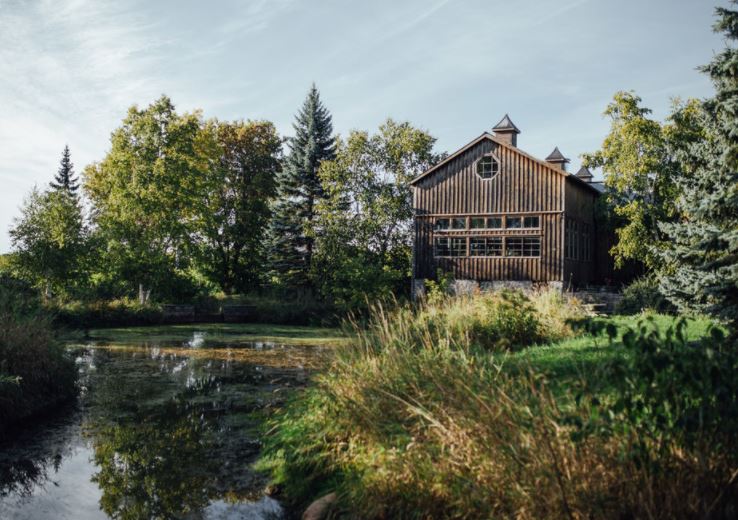
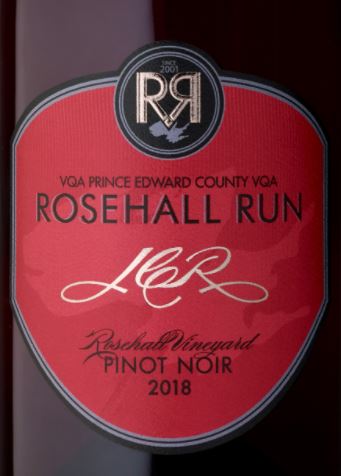
However, as it happened, our last stop made the day worthwhile. At the very end of Greer Rd. lies Rosehall Run, one of the original wineries established in the County. Among our finds there was their 2018 JCR Pinot Noir, which in August was awarded the ‘Red Wine of the Year’ at the Ontario Wine Awards. This wine has the potential of being one of the greatest and longest-lived Pinot Noir they have produced. Even though the wine may be enjoyed now it can be laid down for the next 5 to 7 years to reveal the purity that will evolve with time. With a price point of $42, it is good value.
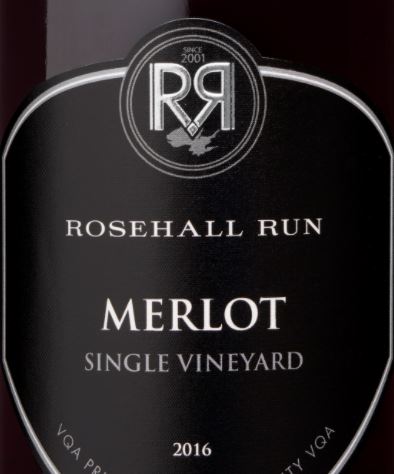
Our second find was a 2016 Merlot which was the result of them being able to secure a couple of tonnes of Merlot planted at Prince Edward County’s Huff Estates which resulted in Rosehall Run creating their first and only County Merlot. The wine was barreled down in their underground cellar for 18 months. New French oak was utilized in preparing this small lot. There is only a small quantity left and with its price of $35 a bottle, it will be gone soon.
Overall I have always found the offerings of Prince Edward County to be on the expensive side compared to similar offerings in Niagara and especially at the LCBO. For a big part it is a factor of demand and supply. The County VQA region is much smaller than Niagara and thus the quantity of grapes available is less and this is reflected in the prices. There are some good value wines to be found for sure but you just need to be prepared to make the effort to search them out. There are a couple of wineries, such as Sandbanks, where you can always count on finding a good selection and good value.
Given the climate of the region it is important to keep in mind that the mainstay varietals are Chardonnay, Pinot Noir and Baco Noir. To expect to find a lot of other locally grown varietals, such as Cabernet, is not realistic.
Given that the County has so much more to offer besides wine, a trip there is well worth the time.




 A Layman's Wine Musings