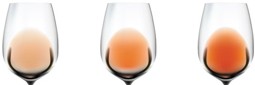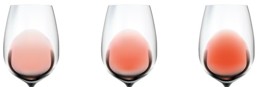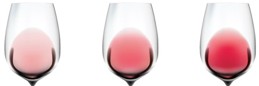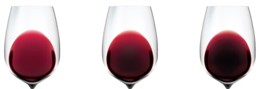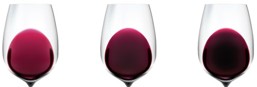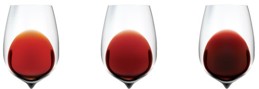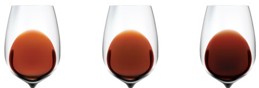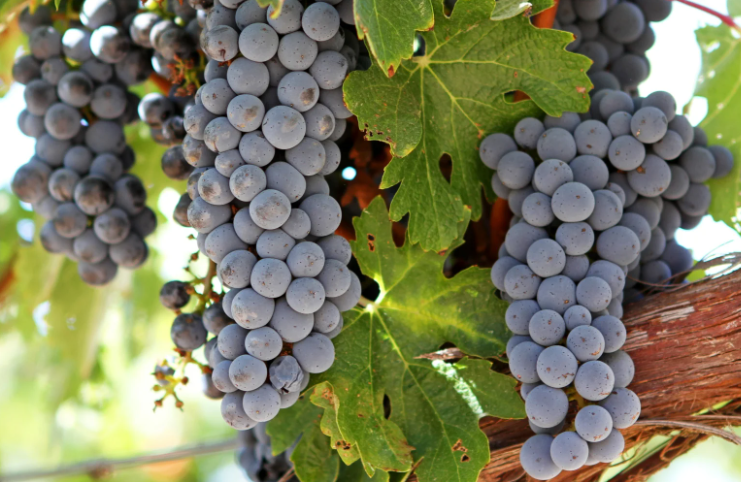
The colour of red wine is affected by several factors. The most obvious one is the grape varietal or percentage of a blend contained within the wine. However, less obvious factors, such as the acidity level, are also important. Red wines with lower pH levels (more acidic) tend to have a robust red colour while those with higher pH levels (less acidic) appear to be more blue or purple.
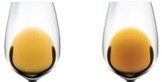
Amber
Deep – Old Tawny Port
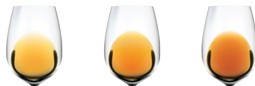
Copper
Pale – Tawny Port, Provence Rosé
Medium – Pinot Noir Rosé
Deep – Tibouren Rosé
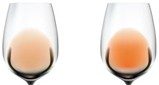
Salmon
Pale – Provence Rosé
Medium – Sangiovese Rosé
Deep – Syrah Rosé
Pink
Pale – Mourvèdre Rosé
Medium -Grenache Rosé
Deep – Tavel
Ruby
Pale – Pinot Noir
Medium – Tempranillo, Grenache, Syrah and Mourvèdre (GSM) Blend
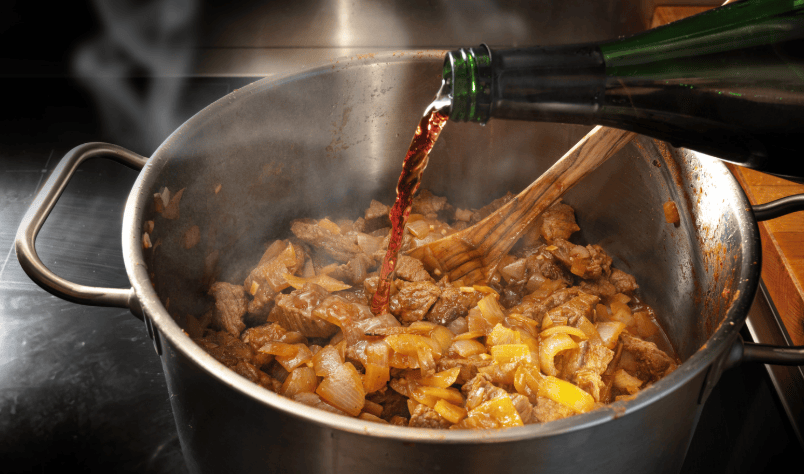
I am not much in the way of a cook and am certainly no chef, but when I do prepare a simple meal or more realistically, assist my wife in doing so, I love to add some wine, both as a cooking ingredient and enjoying while preparing the meal and serving alongside the meal.
Photo credit: storage.googleapis.com
When cooking with wine you still need to pair it with your food in the same manner as you would pair wine you serve with your meal. Besides, there is a good chance you will have sufficient wine left over from cooking to enjoy with your dinner. For example, pair a light-coloured wine with lighter meats like fish or chicken, and a robust red with beef or lamb.
Wine can also be a great cooking substitute. For example, a splash of white wine can sometimes substitute for acidic ingredients such as lemon juice or vinegar.
When adding wine as part of the cooking process, be sure to add it early. This will allow the alcohol to cook off and flavours to meld.
Here are some quick and easy ways to include wine:
After browning meat or vegetables in a pan, you can deglaze the pan by adding a splash of wine. Scrape the bottom to lift the flavourful browned bits and then continue with your recipe.
For quick sauces, like pasta sauce, add 1-2 tablespoons of wine per cup of sauce to the pan. Let it simmer for at least 10 minutes before tasting and adding more if desired.
For a final flavour enhancement, add a small amount of wine just before serving, but be aware that the alcohol may not completely cook off.
One ingenious idea I came across is to freeze leftover wine in an ice cube tray. Then you will always have wine available to add as a flavour boost whenever it is required.
One thing that I recommend you always do is cook with the same wine that you would drink. Don’t substitute cheap and cheery wine when cooking. Use the same quality of wine in your pot or pan as you would in your goblet or glass. As the saying goes, “Life is too short to have bad wine.”
When you open a bottle of wine but don’t immediately consume it all, how long will that open bottle of wine keep? The answer is, “it depends”.
Photo credit:crushmag-online.com
When a bottle of wine is opened, it is fully exposed to a massive amount of oxygen, tremendously speeding up the micro-oxygenation process which will ultimately cause the wine to break down and lose its flavour. Even though wine that is past its prime may taste a little flat or stale, it’s not actually unsafe to consume. If it tastes okay, feel free to drink it. Spoiled wine is essentially vinegar so even though it won’t taste great it won’t hurt you.
To maximize the storage time of an open bottle of wine, make sure the wine is kept as airtight as possible by reinserting the cork or relacing the screw cap immediately following each use. It is also best to store an open bottle of wine upright to minimize the portion of the wine being exposed to the air in the bottle. You can also purchase a vacuum pump and stopper that will remove much of the oxygen from the open bottle. All opened wine, whether white, red or sparkling, should be stored in the refrigerator. Fortified wines can be stored either in the refrigerator or in a cool, dry place.
Sparkling wines like Champagne, Cava and Prosecco have the shortest lifespan after opening. Once opened, the bottle pressure that retains the bubbles dissipates and the wine goes flat. A sparkling wine stopper might help for a day or so, but it is best to drink sparkling wine the day it is opened.
High-acidity white wines, such as Pinot Gris, Riesling, Pinot Grigio or Sauvignon Blanc will last at least five days in the refrigerator after opening. Lower-acid whites, such as Chardonnay, Grenache Blanc, Viognier, Gewürztraminer, Semillon and Muscat can keep three to four days. If you transfer a higher-acid wine to an airtight container such as a Mason jar, before refrigerating it, you can enjoy it for up to a week after it is opened.
High-tannin red wines will keep for up to five days. These wines include Cabernet Sauvignon, Nebbiolo, Syrah/Shiraz and Malbec. Low-tannin reds include Pinot Noir, Baco Noir, Gamay and Sangiovese. They will lose their flavour after two or three days.
The length of time for Rosé to be kept is dependent on the grape varietal that it is made from (all Rosé is made from red grapes), the region the wine comes from and the style in which it is made. On average, Rosé wines will last three to five days after opening when stored in the refrigerator.
Fortified wines have a much higher alcohol content because of the addition of a distilled spirit, such as brandy. Because of the inclusion of the spirit, fortified wines can last up to four weeks after opening if stored in a cool and dry environment. You do not have to refrigerate fortified wines, but it can help preserve them for longer. These wines include Sherry, Vermouth, Port, Madeira and Marsala.
The exception to the rules is bag-in-a-box wines. I won’t comment on the quality of these wines, but they will last for up to a month after they have been opened. Note, though, that boxed wines carry an expiration date on the carton which needs to be followed.
It is claimed that Cabernet Sauvignon is the most popular wine in the world. It is famous for its dry, bold, powerful flavour, medium acidity and rich fruit flavours. Cabernet Sauvignon has high tannins, which combined with thick skins, gives it great ageing potential.
Photo credit: wine-searcher.com
Cabernet Sauvignon originated in the Bordeaux region of France. There, it is usually blended with other varieties such as Merlot, Cabernet Franc, Petit Verdot and Malbec to create Bordeaux Wine. Today Cabernet Sauvignon is grown in many wine regions around the world, including Australia, South Africa, Chile, Spain, the U.S. and Canada.
The flavours and aromas vary depending on which region the Cabernet Sauvignon comes from. However, there are some characteristics that are consistent across all regions. It will always have intense, dark fruit flavours such as blackcurrant and cherry, as well as notes of baking spices. Some Cabernet Sauvignons are fruity, while others are savory and smoky. It will depend on where the Cabernet Sauvignon is grown and how the wine is made. For example:
Cabernet Sauvignon from Bordeaux, France will contain flavours and notes of blackcurrant, anise, tobacco leaf, plum sauce and pencil lead.
Australian wines will have notes of black plum, white pepper, chocolate and bay leaf.
Chilean Cabernet Sauvignon will have hints of blackberry, black cherry, fig, baking spices and green peppercorn.
With its intense rich flavours, Cabernet Sauvignon will pair well with steaks, burgers, strong cheeses and dark chocolate desserts.
It is up to you to decide which part of the world produces the Cabernet Sauvignon best suited to your taste. Personally, both the traditional Bordeaux wines and Australia’s Cabernet Sauvignons have had the most appeal to me. Unfortunately, even though Cabernet Sauvignon is grown in Canada, the growing season in this northern climate is not long enough to allow the grapes to achieve their full flavour potential.
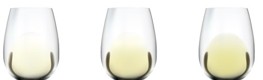
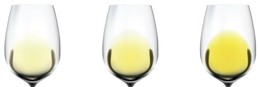
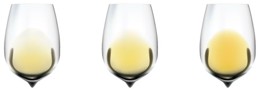
Recognizing the colour of your wine will help you to recognize the type and its intensity before you taste it. This technique is a critical element if conducting a blind tasting. It helps you to determine a wine’s quality and vintage. The listing below provides a standardized list of colours and shades for various white wines.
When assessing the colour of your wine it is best to examine it in bright, diffused, natural light with a white background. The colour is best viewed at the point where the wine meets the glass.
Chardonnay is one of the most popular white wines in the world. It originated in the Burgundy region of France but is now found on any wine list worldwide. Old World countries such as England, France and Italy, and New World countries such as Argentina, South Africa, Chile, Australia, New Zealand, Canada and the United States all produce popular Chardonnay wines.
Photo credit: totalwine.com
Chardonnay is often aged in oak barrels which creates a bold yellow colour that has a creamy, buttery texture and reduced acidity, particularly in hotter climates. Chardonnay can also be produced without the use of oak, instead being fermented in steel tanks. This unoaked Chardonnay will have higher acidity and a sharper, lighter taste. This is the style that is most popular in France, which is called Chablis.
Chardonnay is a very versatile grape as it is also used in the production of Champagne and icewine.
Chardonnay’s flavour characteristics change depending on the region where the grapes are grown. Cool climate unoaked Chardonnay, such as French Chablis, will exhibit notes of crisp green apple, citrus and pear. These wines will pair well with chicken, halibut, cod, crab or lobster.
On the other hand, a warm climate Chardonnay, such as one from Australia, will contain a richer, creamier feel, a fuller body, and more tropical fruit flavours, such as melon, mango and banana. Oaked versions will have flavours of vanilla and sometimes coconut. These wines will go well with creamy dishes and desserts.
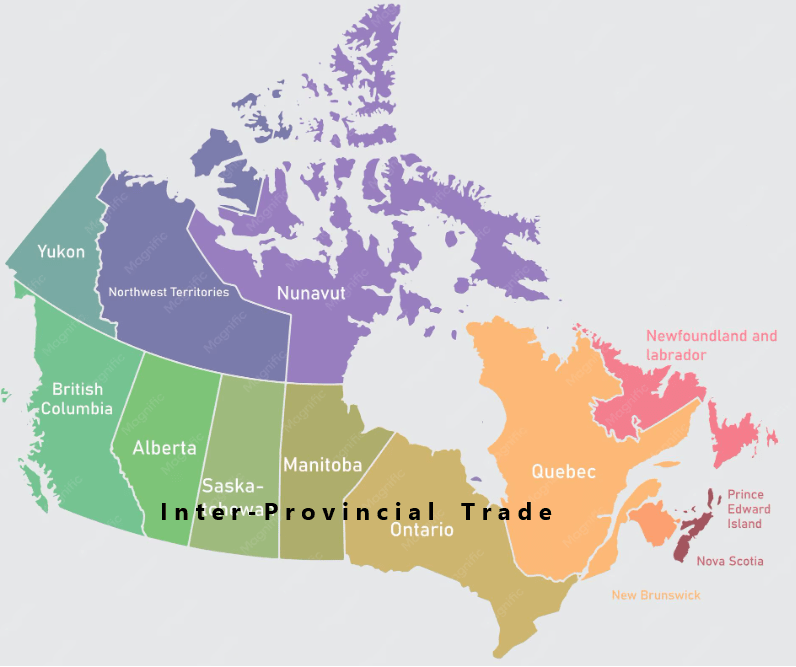
Back in February 2025, I wrote a blog stating that it was time for the provinces to eliminate inter-provincial trade barriers. This was in part the result of tariffs imposed on Canada by the United States. During the July Premiers Meeting in Charlottetown, PEI, nine of the ten premiers agreed to remove the internal trade barriers that have prohibited individuals from purchasing alcohol from producers in other provinces. The agreement will allow wineries, distillers and breweries to sell directly to consumers in other provinces. Although the agreement is effective immediately, it is expected that implementation will take some time.
Quebec and the three territories have not yet joined the other provinces, but Quebec stated that it is working toward joining with the other provinces in the future.
While the agreement establishes an important framework, it does not, by itself, create a truly open inter-provincial market. The provinces must decide how they will each implement the agreement as each one could levy liquor board markups, fees and other charges on direct shipments. However, true free trade requires simple consumer access without new markups, fees or bureaucratic red tape.
Direct-to-consumer sales are especially important for small and medium-sized wineries that have limited access to provincial retail systems. Such sales will enable wineries to maintain relationships with visitors, grow wine club memberships, and connect with consumers in other provinces who want Canadian products.
The provinces are finally moving in the right direction. I only hope that they follow the spirit of free trade and not levies and other bureaucratic annoyances.
There was a new category, Non-Alcoholic Wines, at this year’s National Wine Awards. Non-alcoholic wines must be made either entirely or partially from grapes and can include hybrids such as products made from grapes blended with other fruits. There are no restrictions on how they are made (unfermented versus various methods of removing or lowering alcohol, partial ferments, etc.).
This year’s Platinum and Gold medal wine winners are presented below. The complete list of award winners is available at winealign.com/awards.
Sparkling Wines
Platinum Medal
Fielding N/V Sparkling Rosé, Niagara Peninsula, ON
Malivoire N/V Bisous Rosé, Beamsville Bench, Niagara Peninsula, ON
Gold Medal
50th Parallel 2020 Blanc de Noir, Okanagan Valley, BC
Henry of Pelham 2018 Cuvée Catharine Estate Blanc de Blancs Carte Blanche, ON
Huff Estates 2022 Cuvée Peter, Prince Edward County, ON
La Frenz 2021 Aster Brut, Okanagan Valley, BC
Liquidity NV Reserve Brut, Okanagan Valley, BC
Malivoire 2019 Bisous Blanc de Blanc, Beamsville Bench, Niagara Peninsula, ON
Megalomaniac N/V Bubblehead Rosé, Niagara Peninsula, ON
Queenston Mile 2018 Blanc de Blanc, St. David’s Bench, Niagara Peninsula, ON
Serendipity 2016 Sparkling Truth, Okanagan Valley, BC
Tantalus 2023 Blanc de Blancs, East Kelowna Slopes, Okanagan Valley, BC
Tawse N/V 25th Anniversary Spark, West Niagara, Niagara Peninsula, ON
Tinhorn Creek N/V Blanc de Blanc, Okanagan Valley, BC
Township 7 2023 Seven Stars Rigel Fool’s Gold, Okanagan Valley, BC
Two Sisters Vineyards 2021 Blanc de Franc, Niagara Peninsula, ON
Orange Wine
Platinum Medal
None awarded
Gold Medal
None Awarded
Rosé
Platinum Medal
None Awarded
Gold Medal
Le Vieux Pin 2025 Vaila, Okanagan Valley, BC
Lunessence 2025 ESV Blanc de Noirs, Summerland Bench, BC
Seven Directions 2025 Grenache Rosé Solum Rosa Estate, BC
Pinot Gris/Grigio
Platinum Medal
None Awarded
Gold Medal
Bench 1775 2025 Pinot Gris, Okanagan Valley, BC
Hillside Winery 2025 Unoaked Pinot Gris, Naramata Bench, BC
Solvero 2025 Pinot Gris, Okanagan Valley, BC
Red Blends
Platinum Medal
Hidden Bench 2022 La Brunante, Beamsville Bench, Niagara Peninsula, ON
Laughing Stock 2023 Blind Trust Red, Okanagan Valley, BC
The 2026 National Wine Awards of Canada (NWAC) took place in Niagara Falls, Ontario in mid June. However, the results were not fully tallied and presented until July 31st.
This week I will focus on the wineries that attained the highest honours and next week I will direct attention to the individual wines that were declared the top in their class.
Winery of the Year
The Niagara region’s Tawse Winery was bestowed the honour of being Winery of the Year, for the fifth time in the Awards 26-year history. At this year’s Awards Tawse earned 1 Platinum, 4 Gold, 13 Silver and 8 Bronze medals.
Maverick Estate Winery – British Columbia – 4 Gold, 2 Silver
Phantom Creek Estates – British Columbia – 4 Gold, 8 Silver, 2 Bronze
Painted Rock Estate Winery – British Columbia – 4 Gold, 3 Silver, 4 Bronze
Township 7 Vineyards & Winery – British Columbia – 4 Gold, 4 Silver, 3 Bronze
Best Performing Small Winery
Black Bank Hill, located in the Lincoln Lakeshore appellation of the Niagara Peninsula, is the Best Performing Small Winery. This award goes to the top-scoring winery that produces a maximum of 10,000 cases of wine. Blank Bank Hill only opened in 2021, making it one of the most rapid rising wineries ever witnessed by the NWAC.
The winery earned 1 Platinum, 4 Gold and 4 Silver medals at this year’s event.
Top 10 Small Wineries
Black Bank Hill – Ontario – 1 Platinum, 4 Gold, 4 Silver
La Frenz Estate Winery – British Columbia – 6 Gold, 6 Silver, 5 Bronze
Have you heard about the latest craze for summer wine? It’s Blouge Wine. The name is a combination of the words ‘blonde’ or ‘blanc’ and ‘rouge’. Thus, the wine is a blend of both red and white grapes. However, this new wine does not have a formal definition or a defined location on wine store shelves because it is not yet an official wine category. Some experts refer to it as wine made by co-fermenting red and white grapes, while others consider it as styles of wine between red and white.
Styles of blouge wines include:
Short maceration of red grapes: Red grapes spend less time with their skins, producing a lighter colour and softer structure.
Skin contact on white grapes: This will produce a more orange wine.
Darker rosé styles: This includes wines that are deeper in colour and structure.
Co-fermentation of red and white grapes: Red and white grapes are fermented together.
Characteristically, blouge wines will be acidic like white wines, contain soft tannins, have bright fruitiness with hints of berries, citrus or cherries. It may be like a light red wine or a more complex white wine. Many blouge-style wines are best enjoyed slightly chilled, like a white or Rosé.
Because blouge is not a formal wine category, not every relevant bottle has ‘blouge’ on the label. Shoppers may need to look for phrases like red-white co-ferment, white and red grapes, field blend, light red, chilled red, or pale red.
Blouge wines generally pair well with light pasta dishes, grilled vegetables, chicken or seafood.