Bordeaux’s Sauternes Region

The final Bordeaux winery visit on our recent trip to France was to Château La Tour Blanche in the Sauternes region. The Sauternes Appellation d’Origine Contrôlée covers approximately 2,000 hectares and includes five communes: Barsac, Bommes, Fargues, Preignac and Sauternes.

La Tour Blanche estate, like most of the Crus Classés of the appellation, is located on a ridge elevating It 60 meters above sea level. This provides good exposure of the vines and better drainage of the land. The terroir provides a gravelly surface and a clay-limestone subsoil, which give a particular character to the wines produced.

The three traditional white grape varieties of the Sauternes Appellation d’Origine Contrôlée vineyard are Sémillon, Sauvignon Blanc and Muscadelle. Château La Tour Blanche grows 83% Sémillon, 12% Sauvignon Blanc and 5% Muscadelle.
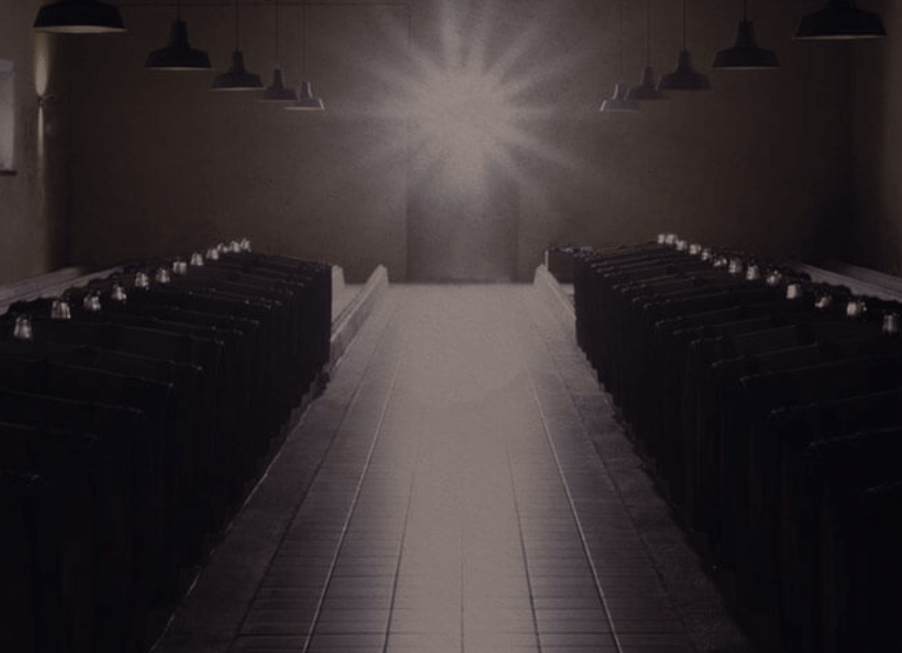
Photo credit: tour-blanche.com

The Sémillon grapes provide the structure, give the wine its beautiful Golden colour and its aromas of dried fruits, candied fruits and honey. Sauvignon Blanc produces a very fine, full-bodied, and aromatic wine and creates the beautiful freshness in the blend. The Muscadelle adds to the unique style of the wines, bringing additional aromatic complexity thanks to its delicate scent of muscat grain and its spicy notes.

Like many of the wineries in Bordeaux, Château La Tour Blanche has already taken numerous steps to improve its environmental performance. They have imposed demanding specifications on sustainable development. In recent years, they have introduced waste reprocessing and confined spraying. Château La Tour Blanche is HVE 3 certified (High Environmental Values) and is a member of the first association for the Environmental Management System (EMS) of Bordeaux Wine certified ISO 14001.

The grapes arriving at the winery are botrytized (see my post, Dessert Wines from April 18, 2020), full of sugar. Once selected on the sorting table and pressed, the grapes produce musts in which the action of Noble Rot will have produced a reduction in acidity as well as an increase in sugar content. The average yield does not exceed 10 to 15 hectoliters per hectare at the La Tour Blanche estate, due to strict selection.

Only musts reaching an average of between 20 and 22 degrees of potential alcohol are selected for the 1er Cru Classé. The slightly less concentrated juices will be used to produce the second or third wines.

Unfortunately, I was unable to attend and sample any of the wines that day because of an unexpected visit to see a Bordeaux ophthalmologist as a result of a torn retina, which is now repaired. I may have to make a return trip to the region to experience what I missed.

Sláinte mhaith

The Left Bank’s Margaux Appellation

On my recent excursion to Bordeaux, France, I travelled to the Left Bank’s Margaux appellation where I visited Château Dauzac, which is a Margaux Grand Cru Classé according to the 1855 classification. Their vineyards span 49 hectares.

All the wines utilize gravity-flow vatting. Fermentation takes place in wooden vats with transparent double staves. The wine was aged in 100% French oak barrels (including 65% new barrels) for 15 months with racking based on tasting results.

Dedicated to the expression of terroir and dominated by Cabernet Sauvignon, Château Dauzac reveals a nicely complex bouquet that slowly unfolds during aeration. On the palate, it strikes a subtle balance between the richness of its tannins and the aromatic diversity of its supple fruits, emblematic of great wines for ageing.

Cabernet Sauvignon dominates with its complexity, elegance and minerality, while Merlot adds roundness and silkiness. Always deep in colour, Château Dauzac expresses a subtle balance where fruits, flowers and spices are combined, with a complex body and tannins ensuring an emotional tasting experience.

Like many of the wineries in the region, Château Dauzac is committed to reducing its carbon footprint. They have formed a partnership with Bioboon Agrology. Together they are working toward the ecological transition of agricultural activities that promote plant health while preserving the surrounding biodiversity.

They have also planted bamboo on the estate. The bamboo acts as an essential carbon sequestration mechanism, offsetting the residual emissions of their carbon-neutral wine. This initiative reduces the environmental impact of the winery’s activities.

Château Dauzac is also investing in research and development to fight against mildew. The aim is to use natural products free of heavy metals to preserve the health of their vines and the balance of the surrounding ecosystem.

The terroir is a clay-based soil that contains deep gravel outcrops. The vines have an average age of 35 to 40 years. The grape varietals consist of 69% Cabernet Sauvignon, 29% Merlot and 2% Petit-Verdot. The grapes are harvested by hand in small crates and sorted on tables before and after de-stemming.

The first wine that I sampled at Château Dauzac was the 2021 “Aurore de Dauzac Margaux”, which is a blend of 62% Cabernet Sauvignon, 37% Merlot and 1% Petit Verdot. It is bright red with ruby hues and a nose of red fruit with a slightly floral expression. The flavour displays a pleasant concentration with notes of black fruit.

The second wine I tasted was the 2019 Margaux Grande Cru Classé. Château Dauzac 2019 is a wine that expresses exceptional fruit vibrancy. It is very well-balanced and composed of dense tannins that exhibit finesse and elegance. It consists of a blend of 73% Cabernet Sauvignon and 27% Merlot.

I was surprised to see how much my wife enjoyed this wine as she usually prefers the Right Bank Merlot concentrated wines over the Left Bank Cabernet Sauvignon dominant wines. In fact, she enjoyed it so much that we decided to have some shipped home. When making the shipping arrangements we were told that the 2022 vintage would be more superior to the 2019, given the climate conditions that existed that year. The only caveat was that the 2022 would not reach its full potential for another 10 years.

We then decided that we would purchase some of the 2022 vintage as well to ship home. The 2022 wine consists of 63% Cabernet Sauvignon and 37 % Merlot. The overall yield was small due to the lack of water but the remarkable quality will make the 2022 vintage one of the greatest ever experienced in Bordeaux.

I was pleased to learn that Château Dauzac wines are occasionally available in Ontario liquor stores. I will be eagerly awaiting the next vintage to appear on store shelves.

Sláinte mhaith

The Blaye Côtes de Bordeaux Appellation

On the Right Bank, near the village of Bourg, I had the opportunity to visit Chateau Monconseil-Gazin, a third-generation family preserved estate winery owned by the Baudet family. The wines produced are part of the Blaye Côtes de Bordeaux appellation.

The vineyard’s hilly terrain benefits from a microclimate caused by the proximity of the estuary and the Atlantic Ocean. The clay-limestone soils rest on a soft rock substrate that is very favorable to the roots of the vines and perfect for drainage.

The 35 hectares of gentle slopes facing south and southwest predominantly grow the Merlot grape variety, complemented by Cabernet Sauvignon, Cabernet Franc and Malbec.

The first wine that I tasted was the 2023 “Blaye Côtes De Bordeaux”, a white Sauvignon. The vines are cultivated according to the sustainable agriculture charter for the development and protection of the terroir. No chemical fertilizers are used.

The wine consists of 100% Sauvignon Blanc that is aged on fine lees, which are the smaller, more gradual sediment that settles at the bottom of a fermentation vessel after winemaking. The fine lees age with the wine, adding complexity, texture, and flavour. The wine is bottled at the Château.

The terroir is a clay-limestone on stony subsoil, providing excellent drainage and deep roots. The slopes face south-southwest, ensuring optimal maturity of the grapes.

This wine’s aroma contains notes of citrus and flowers and has a smooth crisp palate. The finish is long, fresh and fruity.

The second wine I had was the “Blaye Côtes De Bordeaux – Blanc Prestige”, made of 80% Sauvignon Blanc and 20% Sémillon. This wine releases an elegant nose of lychee and citrus fruit complemented by a light oakiness. The palate is dense and smooth, with a freshness that lingers through to the finish.

The third wine I sampled was the 2020 “Blaye Côtes De Bordeaux” red. Once again, the vines are cultivated according to the sustainable agriculture charter for the development and protection of the terroir, using no chemical fertilizers.

The wine is produced from 70% Merlot, 20% Cabernet Sauvignon and 10% Malbec grapes. It is aged in French oak barrels for 12 months, then blended and lightly filtered before being bottled at the Château.

The terroir is clay-limestone hillsides on a stony subsoil, excellent for drainage and rooting.  The vineyard slopes are south/southwest facing, ensuring optimal maturity of the grapes.

The flavour has hints of woody and toasty accents accompanied by notes of violet, blackberry, crème de cassis, tobacco leaf and sage. There is an abundance of young fruit with tannins and acidity.

This wine has had more than twenty years of recognition by the most prestigious competitions in France and internationally: Mâcon, Paris, Aquitaine, Challenge International du Vin, Brussels and London.

The last wine I tasted was the 2019 “Grande Réserve”, which is made from 50% Merlot, 20% Cabernet Sauvignon, 20% Malbec and 10% Cabernet Franc. The wine was matured in French oak barrels (50% new) for 18 months, blended and lightly filtered and then bottled at the Château.

This wine offers ripe fruit and notes of mocha, toast and vanilla. The tannins are tight and the flavours are full.

This wine has been recognized by the most prestigious competitions and specialist magazines such as the HACHETTE Guide, the Revue des Vins de France, Decanter and In Vino Veritas.

My wife and I enjoyed this one enough that we purchased a bottle to drink after our day’s explorations. Unfortunately, Chateau Monconseil Gazin wines are not currently available in Ontario liquor stores.

Sláinte mhaith

The Médoc Area of Saint-Émilion

The first area I explored on my recent trip to France’s Bordeaux region was Médoc, which is situated on the Right Bank. The name Médoc is synonymous with exceptional wines. Considered as one of the world’s leading red wine producers, Médoc has been a winemaking region since the 18th century, with more than 16,000 hectares of vineyards across eight sub-appellations.

In Médoc, which is part of the Saint-Émilion appellation that has over 800 Chateaux, I visited the family-owned winery, Château Fleur Cardinale. The terroir consists of a mix of clay and limestone. Typical of Right Bank wineries, their wines consist of a blend of around 70% Merlot, 20% Cabernet Franc and 10% Cabernet Sauvignon. The blended portions vary slightly from year to year depending on the yield of each grape varietal.

La Maison Cardinale was established in 2001, when Dominique and Florence Decoster acquired Château Fleur Cardinale. In 2017, their son Ludovic and his wife Caroline took the reins of the family estate. In 2024, they created La Maison Cardinale, an entity that brings together Château Fleur Cardinale, a Saint-Émilion Grand Cru Classé, and Château Croix Cardinale, a Saint-Émilion Grand Cru.

They have two estates, Château Fleur Cardinale and Château Croix Cardinale. Château Fleur Cardinale covers 27.6 hectares on the northern slope, producing a Saint-Emilion Grand Cru Classé. The northern slope is also ideal to produce Fleur Cardinale white, in the Bordeaux appellation. Château Croix Cardinale covers 4 hectares on the southern slope, producing a Saint-Emilion Grand Cru.

While there I had the opportunity to sample 2023 “Cardinal Flower Intuition Saint-Emilion Grand Cru” and the 2019 “Grand Cru Classé, Saint-Emilion Grand Cru”. The Intuition had an intense aromatic profile of ripe black fruits. There were subtle tannins and a supple, fresh texture. The Grand Cru Classé had a sensation of fresh and intense fruit, both on the nose and in the mouth. In my opinion it was much smoother and better balanced than the Cardinal Flower Intuition.

The grapes for both wines are picked by hand. There are about 15,000 bottles of Cardinal Flower Intuition produced each year and 105,000 bottles of the Grand Cru Classé. About 80% of the wine is sold to wine agents for export with the balance being sold from the winery. Unfortunately, Château Fleur Cardinale wines do not appear to be available in Ontario liquor stores.

Sláinte mhaith

My Adventure to Bordeaux

I recently returned from a trip to the Bordeaux region of France where I took advantage of the opportunity to experience some of the finest wines in the world.

The effects of climate change are impacting the grape harvests there the same as they are in many other parts of the world. The region is facing increasing temperatures and drought conditions each year. Not helping matters is the governing regulation that prohibits vineyards to irrigate vines that are more than 3 years old.

To help try and offset the effects of climate change, I saw horses being used in place of tractors to till the weeds that were growing between the rows of grape vines, lessening the need for herbicides and reducing the generation of carbon monoxide.

The Bordeaux region is separated into 2 distinct areas: the Left Bank and the Right Bank. To help identify which is which, the city of Bordeaux is situated on the Left Bank.

Bordeaux’s wine areas are often categorized into five main zones, primarily based on their location in relation to the Gironde, Garonne, and Dordogne rivers. These zones are: The Médoc, Graves and Sauternais, The Libournais, Blaye and Bourg and Entre-Deux-Mers.  During our trip I visited wineries on both the Left Bank and Right Bank.

The Left Bank, often referred to as the Médoc and Graves, produces red wines, while the Right Bank, including Saint-Émilion and Pomerol, also focuses on red wines. Entre-Deux-Mers produces both red and white wines, and the Graves and Sauternais are known for their sweet white wines.

There are five Bordeaux wine classifications. These classifications serve as an expression of quality and prestige worldwide. The principle of the crus classés (“classified growths”) illustrates the synthesis of a terroir’s typical characteristics and dedicated human intervention over many generations to ensure quality. However, a wine or appellation can still be outstanding even if it is not a part of these classifications. The classifications are listed in order of seniority:

  • The 1855 classification
  • The Graves classification
  • The Saint-Émilion classification
  • The Crus Bourgeois du Médoc classification
  • The Crus Artisans classification

For a winery in Bordeaux to be referred to as a Château, the property must include a large house, vineyards and a place to make wine.

The age of the vines impacts the quality of the Bordeaux wine. The older the vine, the more expensive the wine. The roots on old vines extend much deeper and extend further int the soil. This adds minerality to the fruit, which in turn adds complexity to the flavour of the wine.

One thing I found interesting on this trip was how the various winery staff pronounced Cabernet Franc. I was always under the impression that Cabernet Franc was pronounced as the French do, with the ‘c’ in Franc being silent – ka·br·nay frong, but I now found out that it is acceptable to pronounce it in English as ka·br·nay frank.

Over the next few weeks I will describe my adventures through the region, as well as the wineries I had the opportunity to experience.

Sláinte mhaith

Pairing Wine with Sandwiches

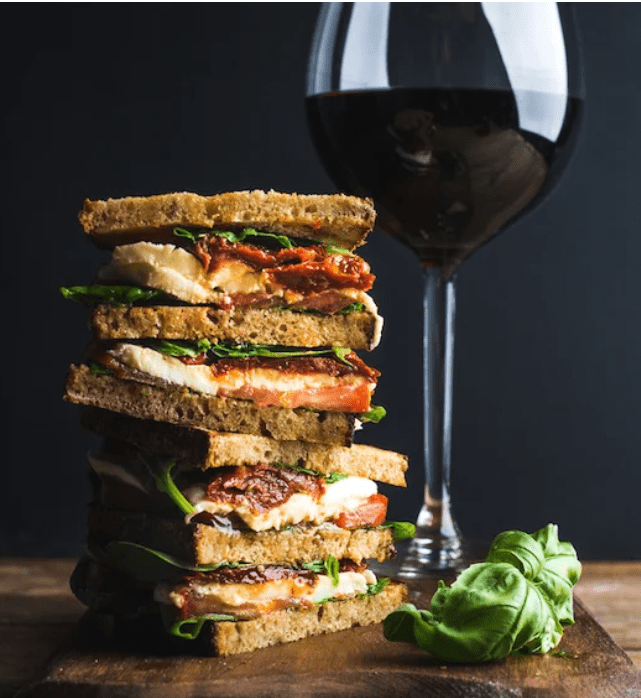
Looking for a way to enhance a meal of sandwiches? For lighter tasting fillings, light-bodied white wine such as Pinot Gris, Pinot Grigio, or Sauvignon Blanc would pair well. For more substantial sandwiches, a Pinot Noir, Beaujolais, or even a Cabernet Franc can go well. Sandwiches that have a spicy kick will pair well with a Moscato or Riesling.

Photo credit: svinando.co.uk

Sandwiches served on a nutty bread loaf are complimented by a Cabernet Sauvignon while more savory breads are enhanced by a Chianti.

Here are some suggestions for some specific types of sandwiches:

  • BLT – Sauvignon Blanc, Pinot Grigio, Rosé
  • Cheesesteak – Carménère
  • Cubano – Chardonnay
  • Roast beef – Malbec, Syrah
  • Italian beef – Merlot
  • Grilled cheese – Chardonnay or semi-dry Riesling
  • Grilled chicken – Sauvignon Blanc
  • Ham and cheese – Chardonnay
  • Italian meat sandwich – Prosecco
  • Peanut butter & jam – Off-dry Riesling
  • Pulled pork – Pinot Noir, Cabernet Franc
  • Reuben – Pinot Noir, Rosé
  • Cured salami – Shiraz/Syrah
  • Tuna melt – Verdicchio
  • Classic turkey – Chardonnay
  • Turkey burgers – Pinot Noir
  • Grilled vegetables – Sauvignon Blanc

Whatever your choice of sandwich, the accompaniment of a glass of wine can enhance your dining experience.

Sláinte mhaith

Pairing Wine with Thai Food

Pairing wine, or any alcoholic beverage for that matter, with Thai food is without history or precedent. Whereas many cultures traditionally include alcoholic beverages as part of their cultural experience, for example the French with wine, the Japanese with sake, and the Germans with beer, Thais have no history of pairing alcohol with food at all.

Photo credit: guide.michelin.com

Therefore, when pairing wine with Thai food, there are no rules or traditions to be followed. However, there are general guidelines that can be followed when matching wine with any flavour, boldness, sweetness, spiciness, acidity, or heat combinations of food. I have written about these in one form or fashion numerous times over the years.

In case you don’t want to engage in your own research to find the perfect pairing for your next Thai dinner, here are some wine pairing suggestions from a variety of experts.

As a general comment, lighter-bodied wines, particularly whites and rosés, are good choices. Off-dry Riesling, Pinot Gris, Sauvignon Blanc, Grüner Veltliner and Chenin Blanc go well, along with some lighter red wines such as Pinot Noir or Gamay.

Some Thai dishes, particularly curries, can be quite spicy. A wine with a touch of sweetness can help balance the heat.  A Sauvignon Blanc, an off-dry Riesling or a Gewürztraminer would be a good choice. Also, a Riesling can complement the aromatic herbs and spices often used in Thai cooking.

If your preference is for red wine, the light body, low tannins and high acidity of Pinot Noir make it a good choice for Thai food. Gamay, being similar to Pinot Noir, also has a light body and is high in acidity making it a good choice as well.

A light-bodied French Beaujolais can pair well with heartier meat dishes or those with umami-rich sauces.

Wines to avoid include heavy, full-bodied red wines with high tannins, as they can intensify the spiciness of Thai dishes. Therefore, it is best to stay away from wines such as Cabernet Sauvignon and Shiraz.

Here are some more detailed suggestions:

  • Green Curry: Malbec
  • Larb: Grenache
  • Mango Sticky Rice: Sauternes
  • Massaman Curry: Gewürztraminer
  • Moo-ping: Grenache or Syrah
  • Pad Karprao: Red Burgundy, Cabernet Franc
  • Pad See Ew: Primitivo/Zinfandel
  • Pad Thai: Chenin Blanc
  • Som Tum: Moscato d’Asti
  • Tom Yum: Sauvignon Blanc

One thing is for certain, whichever wine you select to have with your Thai meal will not be wrong.

Sláinte mhaith

Wine Service

What is ‘wine service’? Experts define it as the way a bottle of wine is served to a gathering of guests. Wine service must include the handling of the bottle itself. Based on this definition, if you were to order a glass of wine in a restaurant, this would not be included under the definition of wine service. Instead, it is considered in the definition of ‘bar service’, perhaps a discussion for another day.

Photo credit: vivatysons.com

The wine service process begins with the selection of the wine, either from a list or by the recommendation of the restaurant wine steward or sommelier, or in the case of a private gathering, your host.

The first step is for the server or host to open the bottle of wine. They begin by removing the foil or capsule covering the cork using a knife or foil cutter. Then they make a clean cut just below the lower lip of the bottle to expose the cork fully.

When serving flat wine (wine with no bubbles), they insert the corkscrew by positioning the tip of the corkscrew at the center of the cork. Gentle pressure is applied and the corkscrew is twisted clockwise until the screw is fully embedded in the cork.

With the corkscrew securely in place, it is rotated approximately six half turns to ensure a firm grip on the cork. Then utilizing the lever arm of the corkscrew, the cork is slowly and steadily lifted upwards. Even pressure should be applied to prevent the cork from breaking or crumbling.

After removing the cork, the neck of the bottle should be inspected for any cork leftovers. A clean napkin or cloth should be used to gently wipe away any residue to ensure a pristine pour.

With the wine glass sitting on the table, the server’s dominant hand should grasp the bottom half of the wine bottle. The other hand holds a cloth napkin below the lip of the bottle to avoid dripping.  The bottle should be placed over the wine glass and slowly and steadily turned down over the glass and the wine poured in the center or all along the side. The label should be turned forward, making it visible to the person being served in order to identify the wine that is being poured.

In the typical wine glass, the spread between the rim and the stem is generally the widest at the line for serving 150 millilitres (5 ounces). When the pour is complete, the bottle should be tilted up with a twist and the lip wiped with the napkin.

If serving a sparkling wine, it should be served chilled. An ice bucket is useful in this situation. The bottle needs to be opened gently and slowly, pressing the cork with the thumb while it is gradually being removed due to the pressure inside the bottle. The bottle should be tilted at a 45-degree angle to ensure that wine does not escape from the bottle. Pour the wine slowly and uniformly while holding the glass slightly tilted. This will help prevent the wine from spilling over the rim of the glass.

Once the last of the guests’ glasses are filled the wine service is complete.

Sláinte mhaith

Should the LCBO be Privatized?

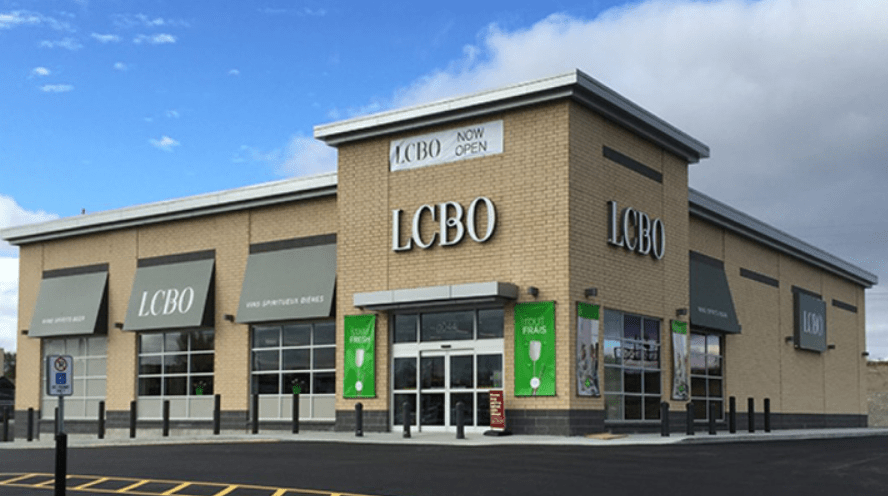
In Ontario, where I live, there is an age-old debate as to whether wine and liquor sales should be government controlled and sold only in the Liquor Control Board of Ontario outlets (LCBO) or allowed to be sold by private enterprise. During recent years, government control has been loosened somewhat, enabling wine, beer and coolers to be sold in grocery stores and more recently in convenience stores.

Photo credit: foodincanada.com

The LCBO’s history dates back to 1927 and the end of prohibition in Ontario. In 1927 the LCBO was basis of three central beliefs:

  1. The best way to prevent social harm and health risks related to alcohol consumption was to make purchasing alcohol awkward or inconvenient.
  2. Adults could not be trusted to make their own decisions around responsible alcohol consumption.
  3. Private sector retailers did not have the capacity to balance market competition and social responsibility.

Attitudes are very different today and it can be argued that the LCBO would not have been necessary nor created if current circumstances had applied in the 1920s.  In today’s world, the private sector manages business enterprises for profit and the government regulates their behaviour through the establishment of standards and the use of enforcement to ensure those standards are met. 

There have been several studies over the years on what reforms, if any, should be made to the LCBO.  It has been argued that the government could generate more revenue by privatizing the LCBO’s retail stores while keeping their wholesale business in place.

This is what Alberta did back in 1993 when it introduced a privatization scheme.  The system initiated more selection, arguably reduced prices and enhanced convenience for the consumer. It provided better opportunities for small business and alleviated the government from direct business operations. 

Despite Alberta’s experience, Ontario has not had the enthusiasm for such a venture. A study published in 2019 suggested that the people of Ontario did not want privatization as they felt the LCBO provided great value-add to the community as their surpluses fund other provincial initiatives. Reform is more likely to take place in the distribution process via an expansion in the type and number of retail outlets allowed to sell wine and in the pricing of wine.

The LCBO has a dual social responsibility mandate. It is responsible for generating revenue for the benefit of the Ontario government, as well as a social responsibility to put in place a system of minimum selling prices to discourage excessive alcohol consumption.  This has been criticized as being a legally sanctioned price fixing mechanism to guarantee profits and discourage price competition. 

It’s interesting to note that each province sets its own rules and regulations regarding the sale of wine and liquor. This is illustrated by the table below which indicates when each province implemented and repealed prohibition in Canada.

Province/territory           Prohibition enacted                     Repealed

British Columbia              1917                                                    1921

Alberta                             1916                                                    1923

Saskatchewan                  1915                                                    1925

Manitoba                         1916                                                    1921

Ontario                             1916                                                    1927

Quebec                             1919                                                    1919

New Brunswick                 1856                                                   1856

                                         1917                                                    1927

Northwest Territories      1874                                                    1891

Nova Scotia                      1921                                                    1930

Prince Edward Island      1901                                                    1948

Yukon                               1918                                                    1920

Newfoundland                 1917                                                    1924

Perhaps standardization of liquor sales should be considered across the country. That could be a discussion for another day.

Sláinte mhaith

The Sparkling Wine Market

The demand for sparkling wine can be very volatile as it is heavily influenced by consumer moods and trends. Sparkling wine is traditionally related to festive gatherings and celebrations as long as people are congregating for happy times there will be a demand. However, during economic down times or in unusual circumstances like COVID-19, people are not gathering to celebrate and the sparkling wine market suffers.

Photo credit: marketresearchintellect.com

Like in so many segments of the wine industry, there is increasing demand for non-alcoholic sparkling wine options as the younger generations become more health-conscious and want to avoid alcohol. This trend is expanding market appeal. Vintners who embrace this new market by diversifying their product lines and expanding consumer reach will benefit.

Health-conscious consumers are looking for wines with reduced sugar content and fewer calories. This shift encourages innovation in product formulations, helping wine makers attract a broader consumer base. Low-calorie options provide a competitive edge in a health-driven market.

Given today’s ecological and environmental concerns, consumers are also placing much more emphasis on sustainability and organic certifications. Sparkling wine producers who are adopting eco-friendly practices are appealing to environmentally conscious buyers. This trend is providing producers with the ability to command higher prices & enhance brand loyalty.

The sparkling wine market, which has been steeped in tradition for centuries, is now being forced to change by evolving consumer demand. Producers need to respond and adapt to the evolving marketplace if they want to continue to survive.

Sláinte mhaith