This week I am going to examine how best to showcase your favourite wines. To do this I will look at the various types of wine and identify when they are best served and which foods are best paired with them.
Sparkling Wine
Sparkling wine can be dry or sweet, light or full-bodied. Any high quality dry sparkling wine makes an excellent aperitif. However, if appetizers are not being served along with the wine then it is best to serve one containing a lower level of acidity in order to prevent guests from having stomach irritation.
The most renowned sparkling wine is Champagne. The amount of sweetness and acidity determine whether Champagne is well suited to be served with food. Dry (Brut) Champagne can contain a significant amount of sugar which does not bode well with an appetizer such as caviar. When accompanying foods such as this, extra dry (extra brut) Champagne is recommended.
Sparkling wines are seen as a good fit for festivities and celebrations though their use need not be limited to such occasions. The only word of caution is that when opting to serve a sparkling wine as part of an event, ensure any appetizers and subsequent menu are appropriately matched.
Acidic sparkling wines can be a good choice to serve along with the main course when serving fish or seafood. Moderately spiced Asian cuisine can also be paired well with an acidic sparkling wine.
A medium dry sparkling wine can be a good choice to serve with a dessert such as a fruit tart.
Light Acidic White Wines
Light acidic white wines include Riesling, Sauvignon Blanc, Chablis, Alsace, Mosel, Muscadet and Grüner Veltliner.
Wines in this category have a sharpness that is fresh and fruity but a light taste and aroma. The alcohol level is generally 12% or less.
Since these wines have a relatively high level of acidity, they go very well with fish, both heavy and oily fish, such as salmon, as well as light delicate fish such as sole. Any white meat and poultry, and creamy soups and most salads pair well with these wines.
Sauvignon Blanc goes well with sushi and fresh herbs such as mint, basil, tarragon, and cilantro. Riesling, on the other hand is best suited with fruity side dishes.
Full-Bodied, Wood-Aged Whites
Typical full-bodied, wood-aged whites include Chardonnay, Semillon, Pinot Blanc, Pinot Gris and Grenache Blanc.
These white wines that have been aged in oak barrels will generally have an alcohol content of 13% or more, and a complex flavour. These wines will have a high tannin content generated from being aged in the oak.
The acidity levels in these wines will be at a moderate level. The wine will be full-bodied, even at a young age and many will have good potential for bottle aging.
Because of the high level of alcohol these wines don’t pair well with fish. They tend to make fish taste oily. Salty and spicy foods should be avoided as well. Shellfish on the other hand can be complimented by these wines.
Dishes containing cream and butter are good choices to serve with a full-bodied, wood-aged white.
Highly Aromatic Whites
Highly aromatic white wines including Gewürztraminer, Muscat and Viognier have luxurious, exotic and fragrant aromas. These wines generally have high alcohol content and low acidity.
The aromatic characteristics of these wines limit the type of food they should accompany. The delicate flavours of oysters, white fish, veal and subtle sauces should be avoided. Distinctively sour foods should also be avoided.
To be paired with one of these wines, food needs to have richness and either be a little sweet or have a fairly high fat content. Foods that are mildly spicy, a little salty, or have a smoky taste, would also pair well. Ethnic, fusion, Thai, or even Tex-Mex cooking will go well with these wines. Also strong flavoured cheeses are a good match. Exotic fruits such as mango, papaya or guava will go particularly well with a Gewürztraminer.
Young, Light, Fruity Reds
Examples of young, light, fruity reds are Gamay, Beaujolais, Dolcetto, Bardolino, and Valpolicella. Such wines are ideal to serve alongside simple dishes. Particularly well suited are foods with a relatively high fat content, such as braised meats, sausages, ragouts, stews, and dishes accompanied by butter or cream sauces. They also pair well with pizza or spaghetti Bolognese. Fried or grilled seafood is also well complimented with one of these wines.
Rosé wine can be substituted in place of any of the reds in this group.
Spicy, Silky Reds
Wines that are considered as spicy, silky reds include Pinot Noir, Sangiovese, Grenache, Pinotage, and Chianti. The tannin content in these wines will be lower than those found in varieties such as Cabernet Sauvignon or Syrah.
Foods that include sauces made with cream, butter or egg yolks should be avoided. Foods to be paired with these wines include young fresh vegetables and fresh herbs, as well as lean meats. Pizza can also pair well, especially with Chianti.
A fruity Pinot Noir is well suited to serve with Asian inspired foods.
Luxurious Velvety Reds
Merlot, Zinfandel and St. Laurent wines are included in this category. These wines are fairly universal and are appropriate for most occasions and time of the year. The acidity level of these wines tends to be low. The sweet fruitiness of these wines goes well with similarly structured dishes that are not overly heavy.
Zinfandel wines are often reminiscent of jam and match well to seasoned foods.
Tannic Rich Reds
Tannic rich red wines include Cabernet Sauvignon, Syrah, Tannat, Mourvèdre, Tempranillo, many Bordeauxs, Northern Rhône wines, Rioja, Australian Shiraz, Barolo, and Barbaresco. These wines have a high tannin and alcohol content (generally 13% or more). When pairing with food it is important to avoid those containing milk fats such as butter or cream. These foods will make the alcohol taste particularly strong.
Salty foods should also be avoided as the high alcohol level will create a bitter taste in the wine.
Tannic rich reds are well suited with burgers, beef burritos, ribs and other red meat dishes.
Mature Wines
Mature wines are generally those wines that have aged beyond what is considered to be the typical age for consumption. Mature wines will be those that have both a high tannin content and a high alcohol level.
Wines well suited for aging include whites such as oaked Chardonnay and some German Rieslings, as well as reds such as Barolo, Barbaresco, Cabernet Sauvignon, Bordeaux and Syrah.
Generally speaking, aged wines, red or white, are best served on their own without food accompaniment. Both the bouquet and flavour are too subtle to be lost serving them with food. The texture, taste, and aroma of the wine become more delicate with each year it is aged. If you do serve these wines with food be sure to avoid fatty, strong smelling, acidic, sweet, or spicy dishes.
Order is Important
Whenever serving wine there are some general principles that will help ensure you have an enjoyable experience.
Be sure to serve light, fresh ones ahead of luxurious alcohol-rich ones. Wines aged in wood barrels are best served after those that have matured in a stainless steel container. The sweeter the wine the closer it should be served toward the end of the meal. Finally, bottle-matured wine should be served before an equally good younger wine.
The 2020 wine award competition season is now underway. The number of wine competitions each year has been on the rise. While no one really knows how many there are, the number has grown rapidly in the past several years. In many cases, over half of entrants are getting medals.
At the same time, the 10 most respected international wine competitions have similarly seen an increase in the number of wines entered each year.
The arguably top award events, where competitors appear by invitation only are:
Sommeliers Choice Awards
London Wine Competition
Decanter World Wine Awards
International Wine Challenge
International Wine & Spirit Competition
San Francisco International Wine Competition
Cyprus Wine Competition
The Balkans International Wine Competition
The Berlin Wine Trophy
The International Wine Contest Bucharest
USA Wine Ratings
Brazilian Sparkling Contest
Thessaloniki International Wine & Spirits Competition
And for those that don’t get to go to the big leagues there are national and regional competitions. In many of these competitions wineries only need to register and pay the entry fee in order to partake. In Canada there are:
National Wine Awards of Canada
All Canadian Wine Championships
Ontario Wine Awards
British Columbia Lieutenant Governor’s Wine Awards
Entry to national or regional competitions is often limited to those wineries produced in the named region.
There are also a few competitions which are limited to one type of wine, like the Canberra Riesling Challenge in Australia or Chardonnays du Monde in France.
Are the results from wine competitions something you should pay attention to when searching for wines to enjoy? Here is some information to help you decide.
How They Work
Wine competitions are blind tastings in that the judges don’t know whose wine they are tasting. All of the wine samples are poured by staff members in a separate room. The glasses are identical and coded by number or letter, and then brought to the judges’ tables – normally about 10 glasses at a time.
Within the parameters of each competition, it is really the wineries themselves that determine the wines that are tasted. Some wineries submit many wines in many competitions; others just a few wines in a few competitions; and still others don’t take part at all. The decision may depend on the winery’s size, marketing strategy, or opinion about the value of wine competitions in its overall business plan or philosophy. It comes down to a question as to whether the associated costs return appropriate business value.
The judges are a diverse group of “wine experts” from many different professional areas, whether they be wine makers, wine educators, wine writers, sommeliers, or wine retailers. They all have two things in common: a passion for wine, and daily exposure to it. In most competitions the judges also represent many regions and countries, which provides a broader perspective and protects against viticultural prejudice. Some judges have specific academic credentials like Master of Wine or Master Sommelier, but the majority are simply individuals whose profession involves regular wine tastings. Ideally, the panels have judges from different aspects of wine’s professional life because they bring different perspectives to the event.
Judging occurs in two phases, the medal round, and the “sweepstakes”. For the medal round, the judges are split into panels of 2 to 6 people. Some competitions prefer the odd numbers because it’s easier to get a decision by a simple majority. Others prefer panels of 4 because when there is a split, it must resolved by discussion and consensus.
Each wine is judged on its own merits, colour, clarity, aroma, bouquet, taste, finish (aftertaste), and overall quality. In a particular flight, there might be 1 Gold, 3 Silver, and 2 Bronze medals, for example, and 4 receiving no award; but there are no predetermined numbers or percentages of medals.
Normally, sparkling wines and white wines are tasted first, followed by Rosé and red, and finally dessert wines. When there are different levels of sweetness, with Riesling for example, the wines are tasted from dry to sweet, because tasting the sweeter wines first would make the dry wines taste bitter.
The judges are presented with flights (groupings) of about 10 wines of the same type (e.g. Chardonnay) in coded glasses which each judge separately tastes in silence, making notes and deciding on the appropriate medal for each wine on its own merits, Gold, Silver, Bronze, or No Award. Some competitions have a Double Gold category, which requires unanimity among panelists that the wine deserves a Gold medal, whereas a Gold medal just requires a majority. Simplistically, you might consider Double Gold as “exceptional”, Gold as “excellent”, Silver as “very good”, and Bronze as “good”.
When all judges have finished tasting, they compare notes to decide on a final, group medal for each wine. When there is agreement on their individual scores (80-90% of the time in most cases), no discussion is needed and the medal is assigned. When there is significant disagreement, the judges discuss and often retaste the wine to arrive at a consensus
In addition to the medals given to each wine, the panels normally determine which Gold medal wines advance to the “sweepstakes” round to determine the Best of Class, Best of Category, and at some competitions Best of Show. The “sweepstakes” round is the grand finale of the competition, with all judges tasting all the wines that have been advanced.
In the “sweepstakes” round all of the wines to be tasted are the best wines of the competition. One way to determine the best wines in large categories is by “acclamation voting”. Each judge may vote as many times as he or she likes, since the wines are of different types (Chardonnay, Riesling, Cabernet Sauvignon etc.).
Many competitions end with a Best of Category (e.g., Red, White, Rosé), and some also select a “Best of Show” among them as well.
Interpreting the Results
A wine competition is one moment in time. The results reflect the collective opinions of expert judges about a specific group of wines on a particular day. But there is a lot of consistency among different competitions held in different places at different times, so wine competitions do provide good guidance for purchasing wines.
Wine competitions provide a unique blend of objective and subjective opinions. The objectivity involves several people in a blind tasting process which eliminates personal bias for a region or winery. The subjectivity involves the personal taste sensitivities and preferences of different people.
The judging panel may be as few as two or up to six tasters or even more; the larger the panel, the less discussion. Differences in judges’ tastes can relate to where they live; Europe, Australia, North America, or South America. Taste can even differ based on a region within a country.
There are also differences between people who are wine makers or vineyard owners and those who are sommeliers, retailers, or writers. The winery related judges tend to focus on the technical qualities of the wine, whereas the consumer-focused ones are looking for a good wine for their customers to enjoy.
Over the years due to changes in the industry the wines from around the world have become so much better. There used to be much more variation in quality, but research into grape growing and winemaking, plus the commitment to quality by producers worldwide has raised the bar, making it harder to distinguish and identify what separates a Gold from a Silver, or a Silver from a Bronze. This is good for consumers, and it’s good for producers because consumers are more likely to see wine as a positive experience.
A medal can be of great value to a winery, otherwise they wouldn’t be paying the registration fee per wine to enter. Getting a medal can translate into higher wine sales, since the medal is usually mentioned in press releases and shown on the winery website.
However the all-important question is whether a wine is or isn’t an award winner, impacts your decision to purchase a particular bottle of wine. The decision is yours.
It remains to be seen how COVID-19 will impact this year’s competitions. While some of the European events have already taken place others, such as the Ontario Wine Awards, are being postponed until further notice.
Twelve months ago if someone had asked me my opinion on Hungarian wines, I would have responded with a blank stare. However, having since visited Hungary on vacation last summer, I have become smitten, not just with the wines, but with the country itself.
A century ago Hungary was one of the most important wine producers in Europe. However since then, Hungary grape vines were attacked by the phylloxera aphid which resulted in devastating losses. After that, Hungary itself was attacked during the two world wars, followed by a Communist occupation that lasted until 1991.
The g0od news is Hungary is making a comeback. There are now a multitude of small estates producing tasty wines, using a combination of traditional practices and modern sensibility.
With Hungary being situated between the 46th and 49th parallel, it is in the same latitude range as many of France’s top wine regions from Northern Rhône to Champagne. Hungary’s rolling hills are rich in volcanic soils and limestone–idyllic soil types for fine winemaking.
There are 22 wine regions in Hungary which has been highly criticised given the size of the country. However, this has not deterred the Hungarians as they feel the regions are well known and understood by their people. Each region is unique based on the climate, soil composition, and the grape varietals grown.
The climate ranges from having a small amount of rain, dry, extreme summer, cold winter to moderate, sub Mediterranean to cool, small amount of rain, long winter; to cool, rainy, windy and warm winter, dry summer, extreme amount of sunshine. As a result there is a large range in grape varietals grown from one region to the next.
Grape varietals being grown in Hungary include,
White Grapes
Arany Sárfehér
Budai Zöld
Chardonnay
Cserszegi Fűszeres
Ezerjó
Furmint
Hárslevelű
Irsai Olivér
Juhfark
Kabar
Kéknyelű
Királyleányka
Kövidinka
Leányka
Muscat Ottonel
Olaszrizling
Rhine Riesling
Rizlingszilváni,
Sárfehér
Sauvignon Blanc
Szürkebarát
Tramini (Gewürztraminer)
Vulcanus
Zeusz
Zöld Veltelini (Grüner Veltliner)
Red Grapes
Cabernet Franc
Cabernet Sauvignon
Kadarka
Kékfrankos
Merlot
Pinot Noir
Portugieser
Rózsakő
Syrah
Turán
Zweigelt
Hungary produces not only red and white wine, but Rosé, Sparkling, and Sweet wine as well.
Here is an interesting fact. Hungarian wine producers use Hungarian oak to temper their intense wines. Hungarian oak barrels can also be found in many wineries in Europe and North America. Expect more delicate effects from Hungarian oak than from its French and American counterparts, and soft, creamy, toasted flavors and aromas.
Hungarian wine regions and local styles are as alluring as they are diverse. If a wine shop were organized by flavor profile, Hungarian wines would all belong in different corners of the store. Yet all the wines reflect something of their shared history.
There is one wine that is unique to Hungary – Tokaji, which is pronounced as “Toe-Kye”. To receive the Tokaji denotation, dry or sweet, a wine can only contain the 6 native varieties of Furmint (“foor-meent”), Hárslevelü (“harsh-level-ooo”), Kabar (“kah-bar”), Kövérszölö (“kuh-vaer-sue-lou”), Zéta (“zay-tuh”), and Sárgamuskotály (“shar-guh-moose-koh-tie”). The wine is made from individually picked botrytized grapes that are then mashed and soaked in dry wine or must. The resulting wine, after aging, is golden, extremely sweet (120-180 grams per liter) and has the potential to age indefinitely when properly stored.
This treasured wine often has the flavour of candied tangerines and apricots, cinnamon and cloves, with sweetness somewhere between honey and nectar. Its bright acidity balances out the extreme sugar content. In Hungary, the classic pairing is foie gras, but you can drink it with creamy cheeses, lemon tarts, or simply on its own. A bottle could easily set you back in excess of $60.
In spite of all of the wonderful Hungarian offerings, there is one to avoid, that being Bikavér. These are mass-produced wines dating back to the communist regime. Your local wine retailer should be able to assist you in avoiding these wines.
Hungarian wines are one of the wine world’s under publicised and best kept secrets. Unfortunately they are not as prominent in this country as many of their other European cousins. If you come across Hungarian wines in your local wine store, I recommend trying one. I don’t think you will be disappointed.
While many dessert wines exist, there are a few that define the category, ranging from less sweet to more sweet, light to alcohol-laden, and best for youthful drinking to better when aged for decades.
In addition to fortified wines, which were discussed on February 22, 2020, there are a variety of offerings that are considered to be great dessert wines.
Late-Harvested / Noble Rot Wines
Late-harvested wines are exactly that, wines that are made from grapes that are left on the vine until late in the harvest season. They are then extremely ripe and contain an abundance of sugar.
Included in this group are ice wines. Canada and Germany are the world’s largest producers of ice wines, and about 75% of Canadian ice wine comes from Ontario. As it’s unaffected by noble rot and fermented slowly, ice wines retain many primary characteristics which set them apart from their botrytized counterparts. It is luscious, intensely flavoured, with aromas and flavours of ripe tropical fruits like lychee and pineapple when made with white grapes, although wines made with red varieties can give more concentrated strawberry flavours.
Much like Sauternes, icewine is a perfect match for strong cheeses such as Roquefort, Gorgonzola, or Parmesan. Milder cheeses aren’t strong enough to stand up to the drink’s lusciousness, but cheese-based desserts such as cheesecake are.
Salty hors d’oeuvres like tapenade or salted nuts enhance the fruity acidity of the wine, while balancing out the high sugar levels.
The high acidity also means you can opt for richer foods like pâtés.
Finally, similar to Riesling, ice wines go well with spicy foods, which are often hard to match with wine. This is because of its higher sugar content. Curries and aromatic Thai dishes which are usually difficult to match would go well with an icewine with pronounced tropical flavours.
Red ice wines, made with Cabernet Franc, shine when paired with richer desserts made with chocolate, which bring out their red fruit flavours.
Noble rot, or botrytized wines are a type of late-harvest wine, but the healthy grapes are actually attacked by a fungus called Botrytis cinerea, which punctures grape skins to dehydrate them and concentrate flavors, sugar and acidity. Botrytis adds its own unique flavors as well, such as hints of ginger, orange and honey.
Riesling
Riesling is one of the most versatile grapes in the world, making not only bone-dry wines, but lusciously sweet, high-quality ones as well. While Riesling is grown all over the world, the sweet versions of the wine come from Germany.
Sweet wines range from off-dry Kabinett and Spatlese with a small distinguishable amount of sugar and fresh, delicate fruit flavors, to late-harvested Auslese with a higher concentration, richer fruit flavors, and a broader mouthfeel, to fully botrytized Beerenauslese and Trockenbeerenauslese wines with lusciously-sweet, orange blossom-like, honeyed richness. It is an excellent pairing with apple pie, caramelized desserts, tropical fruit, peaches and cream and sweet desserts.
Austria also makes Riesling using its version of the Pradikat system, and Canada is actually producing some delicious ice wine Riesling as well. All these Rieslings tend to be fairly low in alcohol, with the sweetest wines being in the single-digits of alcohol percentage and the double-digits of years to age.
Sauternes
There are those who would argue that Sauternes is the world’s greatest sweet wine. Sauternes is one of history’s most coveted and expensive sweet wines. It is the gold standard when it comes to botrytis-affected wines, made from the Sémillon grape, along with Sauvignon Blanc and Muscadelle. Producers selectively pick only noble rot-affected grapes as the fungus develops. These revolting looking grapes transform into a lusciously sweet dessert wine that is typically aged in oak before release. Dried fruit, saffron, honey, orange, golden apple, crème brulee and much more unfold over time in the bottle and the glass, aging for years and years after the vintage.
Tokaji
Originating in Hungary, made from the local Furmint grape, which is high in acidity and very susceptible to botrytis, Tokaji is best known for its aszú version, made from late-harvested, shriveled, botrytis-affected grapes gathered in containers called puttony. These super-sweet, barrel-aged Tokaji Aszú wines are low in alcohol, have a viscous mouthfeel, and are often quite honeyed. There is also a little amount of Tokaji Esszencia produced, which is made only from the syrupy free-run juice that comes from the aszú grapes. It is possibly the sweetest wine in the world, is extremely rare, can age for over a century and is typically sold by the teaspoonful.
If you happen to find yourself in a position to purchase some Tokaji, dessert pairings include roasted pineapple, caramelized apple, dark chocolate and Christmas pudding.
Late-Harvest Chenin Blanc
Chenin Blanc, grown in its many Loire Valley appellations, is another one of those very common grapes, but whether dry or sweet, light or full, still or sparkling, it is always very characteristically Chenin.
Vouvray, perhaps the most famous Loire Valley appellation in France for Chenin, can range from dry to sweet even in this one region; the indications of demi-sec, moelleux, and liquereux will indicate the presence of residual sugar.
Sweet Chenin Blanc reaches its pinnacle in the region of Coteaux du Layon, where grapes are late-harvested in many passes through the vineyard. While producers hope for botrytis, it all depends on vintage, and some years will have more botrytis than others. The sub-regions of Bonnezeaux and Quarts de Chaume are even more highly sought-after, and the wines develop golden apple, honey, and orange blossom characteristics. Because of the amount of sugar in these wines, they will continue to develop with age, getting smokier and more interesting over time.
Desserts that pair well with late-harvest Chenin Blanc include fresh strawberries tumbling over shortcake or lemon-meringue pie.
Dried Grape Wines
A technique traditionally used in Italy, Greece, and sometimes Austria, dried grape, or passito, wines are made by purposefully drying healthy grapes after harvest, typically on straw mats or by hanging grape bunches from rafters. This dehydrates the grapes, concentrating the remaining sugar and flavors and creating a sweet wine with clean and often-raisined flavors. The passito process yields less wine than typical vinification does, since the juice is essentially being extracted from raisins, making these wines more expensive than their still-wine counterparts.
Red wines pair well with most desserts or blue cheeses. The whites are best suited with exotic or candied fruits.
Vin Santo Del Chianti
While “holy wine” can be found in several regions of Italy (as well as a version from Greece), this version from the heart of Tuscany is the most famed. Made from Trebbiano Toscano and Malvasia grapes that are hung in whole bunches from rafters, Vin Santo del Chianti is barrel-aged between three and eight years in either small oak or traditional chestnut barrels, allowing some of the wine to evaporate and concentrate flavors in the remaining amber-colored wine. The wine is rich and sweet, with golden raisin and dried fruit flavors.
Dessert pairings include Crostata di Frutta, blackberry mini tartlettes, ginger desserts, pumpkin pie, dark chocolate, and nutty desserts like pecan pie.
Recioto Della Valpolicella
In keeping with the famed red wines of this region in the Veneto of Italy, Recioto della Valpolicella is a sweet red wine made from dried Corvina, Rondinella and Molinara grapes. Traditionally, grapes are dried on straw mats or in lofts called fruttai, which ensure that air circulates through the grapes during the drying process so that mold does not form. Recioto winemakers will typically allow the wine to ferment until the alcohol content is around 14% and will then chill the wine to stop fermentation and leave residual sugar. Dried berry and raisin notes characterize the dense Recioto della Valpolicella, along with chocolate and vanilla.
Desserts containing chocolate, coffee, or dried fruit such as Black Forest cake or tiramisu pair well with the Valpolicella. But where Recioto truly stands out is with ripened cow’s milk cheeses, becoming unexpectedly delicious with blue-veined cheese served with macerated fruit.
I must admit that prior to researching dessert wines there are a number of them that I had never even heard of, let alone tried. The wines that are most easily found in local liquor stores will include late harvest wines, fortified wines, and Canadian ice wines. However, if I ever get the opportunity to travel to France and Italy, there are a few selections that I will be on the hunt for.
I previously examined a number of the trending wines from Ontario. This week I will identify a similar group of wines that are on top of the wine scene in British Columbia. The wineries presented here are based on my own interpretation of critic reviews and award results over the past year. The information presented about each winery has been gathered from the winery web site.
Unfortunately, none of this particular group of wines is available in liquor or wine stores outside of B.C., but a number of them are accessible from the winery web sites.
The wineries are presented in alphabetical order. Though the critically acclaimed wines are presented, I doubt you would be disappointed in any of the wines offered from these establishments.
Blasted Church Vineyards
The winery is on a former church site so they focus their story on local folklore; the blasting of a local church with dynamite in order to move it from one location to another. The owners have played out the church theme well, in everything from the wine names and labels to the organization of their web site.
Notable wines:
2016 Merlot – $27
2017 Pinot Noir – Sold out
2012 OMFG (white) – $40
Cedar Creek Estate Winery
Cedar Creek has been Canada’s “Winery of the Year” twice. Winemaker Taylor Whelan is building upon three decades of winemaking history and defining a new chapter with estate-grown, organic wines. Both the Home Block and Cedar Creek estate vineyards have been officially certified organic following a three-year conversion of the estate’s viticulture and winemaking practices. For the Kelowna winery, it was a three-year conversion process, accredited by Ecocert Canada, which began in August of 2016.
Because of planting decisions made in the early 1990’s, they now have 30-year-old vines at the heart of everything they do.
Notable wines:
2018 Chardonnay – $19
2018 Platinum Block 7 Pinot Gris – $30
2018 Platinum Block 3 Riesling – $30
2017 Platinum Riesling Icewine – $58
2017 Platinum Haynes Creek Vineyard Syrah – $50
2017 Pinot Noir 2017 – $27
Deep Roots Winery
Deep Roots is a family owned and operated winery perched on the clay cliffs above Okanagan Lake on the Naramata Bench.
The family has been farming the land around the winery for 100 years, spanning four generations. After many years of selling grapes to other wineries they produced their first vintage in 2012.
They have two vineyards at two sites on the Naramata Bench: the Hardman Vineyard and Rayner’s Vineyard.
The Hardman Vineyard is home to nine acres where they grow Muscat, Gamay, Merlot, and Malbec. The Rayner property is home to eleven acres of vines including Chardonnay, Pinot Gris, Malbec, and Syrah.
Both of these farms were planted with fruit orchards for much of the previous century, which has contributed to the unique and rich terroir of the area. All of the vineyard work is done by hand.
Notable wines:
2017 Syrah – Sold out
2016 Parentage Red – Sold out
2017 Malbec – Sold out
Fort Berens Estate Winery
Fort Berens Estate Winery is a culmination of the dreams, vision and pioneering spirit of several entrepreneurs. The winery is owned by a team of eight individuals who share a common belief in the incredible winemaking potential of British Columbia’s Fraser Canyon and a shared vision to make Fort Berens into one of Canada’s leading producers of fine wine.
Notable wines:
2017 Cabernet Franc – $28
2017 Cabernet Franc Reserve – $32
2017 Pinot Noir Reserve – $30
2017 Meritage – $26
2017 Meritage Reserve – $32
2017 Red Gold – $45
2018 Pinot Gris – Sold out
2018 Chardonnay – $20
2017 White Gold Chardonnay – $26
2018 Riesling Reserve – $24
Gold Hill Winery
Gold Hill opened in 2009. The founders, brothers Sant and Gurbachan Gill, are farmers from the Indus Valley region.
Sant moved to B.C. as a 20-year-old. He headed straight for the Golden Mile fruit belt and began growing. His younger brother, Gurbachan, soon followed. The brothers grew grapes for a number of wineries from their home vineyards, in their natural element. They understood the area’s microclimate and its dry, rocky soil to perfection.
In time, they bought land and planted vines. Soon they had a healthy business selling grapes to a growing number of notable B.C. wineries–but they had bigger plans for their land.
In 2009, Sant and Gurbachan decided to open a winery with the support of their family. For the location, they chose their prime vineyard on the slopes of a hill along the Golden Mile, between Oliver and Osoyoos.
They partnered with winemaker Philip Soo, a well-respected wine consultant with a terroir-driven approach and scores of great wines to his credit.
Gold Hill’s inaugural 2009 Cabernet Franc was honoured with the prestigious Lieutenant Governor’s Award of Excellence in 2012.
Notable wines:
2013 Syrah – Sold out
2014 Syrah – $35
2013 Merlot – Sold out
2014 Cabernet Franc – $35
Hillside Winery
Grow the best quality fruit possible, pick at optimum physiological ripeness, ferment cool, and intervene with nature only when necessary are the objectives of Hillside. The temptation to constantly “fiddle” and “improve upon” Mother Nature is really more about manufacturing. Natural, beautiful wine is not manufactured—rather, it is carefully guided through natural phases to become the glorious essence of the effects of sun and soil on specific grape varieties.
It is their belief that great wines start in the vineyard, and to this end, they use only the best quality fruit available from their twenty acres of grapes densely planted on hillside terraces surrounding the winery. They also have partnerships with select vineyards along the Naramata Bench.
They are committed to producing hand-crafted, naturally fruit-forward, well-balanced wines that represent the true character of the grapes. The wine is fermented and aged in many small batches to maintain the varietal character and integrity of each grape type and vineyard.
Cool temperature fermentations for the whites using state of the art steel fermenters allow them to produce intensely aromatic and flavourful wines that captivate the senses. More traditional techniques are applied to the reds involving open top fermenters, French and American oak barrels, and a very hands-on winemaking team, resulting in rich, classic style wines that have consistently won accolades from wine judges.
Notable wines:
2016 Cabernet Franc – Available to their wine club members only
2016 Merlot Malbec – $26
Kitsch Wines
The Kitsch family’s Okanagan roots stretch back to 1910, when Kelowna was still a small, lakefront pioneer settlement. Four generations later, this entrepreneurial family takes great pride in helping to shape the past and the future of the Okanagan Valley.
Founders Ria and Trent Kitsch have blended their passion for wine and creative entrepreneurship to produce premium, sustainably-grown wines. With a little help from some friends, the young family transformed overgrown fields into lush vineyards, set on historic apple orchards that originally served as the Kelowna Land and Orchards (KLO) headquarters.
Notable wines:
2017 5 Barrel Pinot Noir – $69
2018 Maria’s Block Riesling – $25
Lake Breeze Vineyards
The wines of Lake Breeze are known to be clean, crisp and fruit driven in style. They endeavour to take the natural expression of the grape and transfer it to the bottle with as little intervention as possible.
The newly introduced Lake Breeze Cellar Series is a luxurious collection. Each varietal pays tribute to the regional wind that embodies its unique winemaking style.
In 2016 they introduced an additional premium wine made by Garron Elmes under the MacIntyre Heritage Reserve label. These wines are a bold and prideful celebration.
Notable wines
2017 Aura – Pinot Noir – Sold out
2016 Mistral – Syrah – Sold out
Lakeside Cellars
Lakeside Cellars is situated on the eastern shores of Lake Osoyoos. The estate is comprised of a 14-acre parcel of land that was originally a vast cattle and agriculture enterprise dating back to 1882. In 2015, Harbans and Harkesh Dhaliwal purchased the historical landmark and resting place of the old Haynes Homestead.
Lakeside now also sits on the site of the first commercial orchard owned and planted by Leslie Hill. The Hill Ranch stretched 1,100 acres on the eastern slop around Lake Osoyoos. Orchards of cherries, apricots, nectarines, plums, prunes, peaches, pears and apples were the first planted in the Okanagan north of the U.S. border.
Upon purchasing the lakeshore property in 2015, the Dhaliwals inherited old-vine plantings of Cabernet Sauvignon and Sauvignon Blanc planted in 1998. Their mission was to continue the tradition of agriculture on the property and guide its rich history towards the current Okanagan lifestyle.
Notable wines:
2016 Portage Red, Okanagan Valley- $24
2016 Syrah, Okanagan Valley – $26
2016 Cabernet Sauvignon, Okanagan Valley – $26
2016 Cabernet Franc, Okanagan Valley – $28
Martin’s Lane Winery
The winery consists of three tiny estate vineyards. They take a micro view of the vineyard and think about wines right down to the single block or vine. They consider their winemaking approach gentle and guiding. The wines are tended, harvested and crafted by hand. They don’t use a single pump as they believe this brings out elegant and complex expressions of Pinot Noir and Riesling.
Notable wines:
2016 Simes Vineyard Riesling – Sold out
2016 Naramata Ranch Vineyard Riesling – Sold out
2016 Frtizi’s Vineyard Riesling – Sold out
2014 Simes Vineyard Pinot Noir – $100
2015 Simes Vineyard Pinot Noir – $100
2015 DeHart Vineyard Pinot Noir – $100
2015 Fritzi’s Vineyard Pinot Noir – $150
2015 Naramata Ranch Vineyard Pinot Noir – Sold out
Mission Hill Family Estate
Making great wines and providing a special place where people can enjoy them is the aim of Mission Hill. They want their winery to be a refuge from the hurried pace of daily life.
Notable wines:
2018 Terroir Collection No. 19 Brigadier’s Bluff Rosé – Sold out
2017 Terroir Collection Border Vista Cabernet Sauvignon – Available only to wine club members
2017 Reserve Shiraz – $27
2017 Reserve Pinot Noir – $28
2018 Reserve Rosé – Sold out
Moon Curser Vineyards
Moon Curser Vineyards is a small, family owned winery on the East Bench of Osoyoos, BC. It has been in operation since 2004, when Chris and Beata Tolley purchased an old orchard in need of replanting and set about converting it into what is now the Moon Curser home vineyard block, winery and tasting room.
The winery is known for growing unusual varieties such as Tannat, Dolcetto, Touriga Nacional, and Arneis to name a few. These varieties have not historically been a part of the South Okanagan viticulture but thrive in the unique terroir on the Osoyoos East Bench.
The vines have thrived in Osoyoos and continue to deliver unique, world-class interpretations of these traditional wines. Moon Curser has brought home many a gold medal from Canadian and international wine competitions.
Notable wines:
2017 Touriga Nacional (red) – $40
2017 Dead of Night (red) – $40
2017 Syrah – $26
Nk’Mip Cellars Winery
Nk’Mip Cellars is the dedicated guardian of a proud legacy. They claim to be the first Indigenous-owned winery in North America and they express their culture in everything they do. The winery itself is a bold celebration and a strong reflection of their commitment to authenticity and deep respect for their colourful past. They have had international award-winning wines.
Notable wines:
2018Qwam Qwmt Riesling – Price not provided
2018 Winemakers Dreamcatcher – Sold out
2016 Red Merriym Meritage – Price not provided
Red Rooster Winery
Red Rooster Winery was founded in 1990 by a European couple who settled in the area. The first vintage was released in 1997. It was not long before the winery became known for producing award-winning wines that express the very best of BC and the Okanagan.
Notable wines:
2018 Riesling – Sold out
2017 Rare Bird Series Pinot Noir – $35
Sandhill
Each bottle of Sandhill wine is made from grapes that come from one of six unique BC vineyards – Sandhill Estate, King Family, Phantom Creek , Osprey Ridge, Hidden Terrace and Vanessa Vineyard. Each vineyard possesses a unique combination of soil composition, slope, sun exposure and drainage.
Each vineyard manager employs techniques that bring subtle influences into the growing environment. These one-of-a-kind conditions inevitably produce grapes with unique characteristics.
This, in turn, provides the opportunity to create a wine that’s truly distinct. In the winery, a non-interventionist approach allows the character of the fruit to shine through in the wine. This allows the complex, subtle, unique character of each vineyard to reveal itself.
Notable wines:
2018 Riesling Icewine – Sold out
2017 Single Vineyard Syrah Sandhill Estate Vineyard – $40
2016 Single Vineyard ONE Vanessa Vineyard – Sold out
Township 7 Vineyards and Winery
Township 7 focuses on the production of small lot wines made from carefully chosen grape suppliers from the Okanagan Valley and from estate vineyards in Langley and on the Naramata Bench.
Notable wines:
2018 Pinot Gris – $19
2018 Raju Vineyard Viognier – $25
2017 Merlot – $25 at the winery
2017 Cabernet Sauvignon – $28
Van Westen Vineyards
Situated in one of the most scenic wine regions in all of North America, Van Westen Vineyards has evolved from over 50 years of family tradition cultivating the soils of The Naramata Bench and producing some of the best wines in British Columbia.
With their expertise and emphasis on sustainable, cool climate viticultural practices, they continue to grow quality vinifera grapes and make premium wine.
Notable wines:
2016 Vulture (red) – $40
2018 Viscous Riesling – $25
Wayne Gretzky Okanagan
The Wayne Gretzky Okanagan winery doesn’t appear to have a web site and www.gretzkyestateswines.com only provides information on the Niagara winery.
Notable wines:
2016 Signature Series Shiraz – No price
2016 Signature Series Riesling – No price
The majority of these wineries are smaller family run operations built on pride and personal commitment to the creation of high quality wines. Prices can range dramatically on the wines within and between the various wineries. Some of the wineries have been producing great wine for many years while others are newer operations who are quickly making an impressive name for themselves.
Easter is traditionally a time for family celebrations that end with a scrumptious dinner. I will look at traditional menu options but given the current climate where traditional family gatherings may not be possible, I will look at adding some glam to an everyday meal.
Also, given the strains being experienced by the local economy, all of my wine suggestions will be Canadian.
Lamb
Starting with the traditional Easter menu, the first option is lamb. Lamb has a long tradition of being part of Easter celebrations. It is available in many forms, suitable for any budget, ranging from a leg of lamb, to a loin, to chops, or even burgers.
Lamb in any form is well complimented with a Cabernet such as Lakeview Cabernet Sauvignon ($29.95) or Featherstone Cabernet Franc ($19.95).
Ham
Ham is another classic Easter dish that can be prepared in a multitude of ways. It can be baked using cloves and or a number of different glazes, ranging from savory to sweet. Ham is also available in a variety of cuts ranging from the traditional ham on the bone, to small packaged hams to ham steaks.
Pinot Noir is a good option for serving with ham. Flat Rock Gravity Pinot Noir ($34.95) or Henry of Pelham Pinot Noir ($16.95) are a couple of options.
Turkey
Turkey is a classic choice for Easter. Not only is it suitable for large family gatherings but provides options for smaller dinners. Alternatives to purchasing a full-size bird include, prepackaged turkey thighs or turkey breasts, or you can substitute chicken for turkey.
There are both red, as well as white wine alternatives to have with your turkey or chicken. White wine suggestions include, Flat Rock Chardonnay ($19.95) or Inniskillen Montague Vineyard Chardonnay ($25.95). Red wine options include Kew Vineyards Pinot Noir ($23.95) or Tawse Growers Blend Pinot Noir ($25.95).
Roast Beef
Over the years roast beef has been the choice of many for Sunday family dinners and Easter is no exception. Featherstone Cabernet Franc ($19.95) or The Foreign Affair Dream ($29.95), which is a Merlo, Cabernet Sauvignon and Cabernet Franc blend , are two good choices.
Salmon
Salmon, though less traditional, is a good healthy option for your Easter dinner. It can be baked, poached, or my favourite, tossed on the grill, wrapped in lemons, onions, and capers. It can be a great alternative if you are forced to a smaller than usual family gathering.
Sauvignon Blanc or Rosé pairs well with salmon. Options include Wildass Sauvignon Blanc ($16.95) or Malivoire Vivant Rosé ($19.95).
Vegetarian Alternatives
Vegetarian alternatives to the traditional meat dishes are very popular. These dishes are obviously a good alternative to meat any time, not just on special occasions. Wine pairings for vegetable mains are the same as those for salmon; Sauvignon Blanc or Rosé.
Non-Traditional Options
No matter what your mood or what you are serving, wine can make the simplest of meals more elegant. Here are some general options:
White Wine
Chicken based soup – Angels Gate Chardonnay VQA ($14.95)
White fish – Sandbanks Summer White VQA ($14.95)
Mac and cheese – Peninsula Ridge Pinot Grigio VQA ($15.95)
Pasta with a white sauce – Mission Hill Five Vineyard Pinot Blanc VQA ($16.95)
Poultry – Tawse Sketches of Niagara Chardonnay VQA ($19.95)
Sea food – Cave Spring Riesling Dry VQA ($15.95)
Red Wine
Beef ribs – Strewn Rogue’s Lot Cabernet Sauvignon Cabernet Franc VQA ($14.95)
Beef based soups – Peninsula Ridge Merlot VQA ($15.95)
Pasta in a red sauce – Pelee Island Baco Noir VQA ($21.95)
Pork ribs – Pelee Island Pinot Noir Reserve VQA ($17.95)
Tomato based soups – Henry of Pelham Pinot Noir VQA ($16.95)
No matter what your Easter has in store, whether it be a family dinner with all the fixings, or a simple affair for only one or two people, make it more elegant with wine.
My wife has a strong dislike for Chardonnay but a fond love for Chardonnay Musqué. This raised the question in my mind, what makes Chardonnay Musqué different from Chardonnay? Is there truly a discernible difference? My wife argues that absolutely there is.
I set forth on a research expedition to determine if there is a difference, and if so, why.
What I learned is that Chardonnay Musqué is an aromatic mutation of the Chardonnay grape. It is grown principally in the vineyards of Canada’s Niagara Peninsula and New York’s Finger Lakes.
The typical Chardonnay Musqué wine is off-dry, medium bodied, and has the distinctive, grapey, Muscat-like aroma. Depending on the region and producer, other flavours and aromas might range from tropical fruit to cinnamon-tinged lemon sorbet.
There are over 40 different clones of Chardonnay, but only two of these can be called “Musqué” due to their aromatic qualities. For you techies they are Clone 77 and Clone 809. These wines are generally unoaked in order to preserve the fresh and fragrant aromas natural to the grape. This is the reason why my wife likes it so much (she has a real aversion to any oaked white wine)
Several Ontario vineyards are now planted with musqué clones and the grapes may be used as either part of a blend or bottled on their own.
Generally these wines are best when consumed relatively young. The aromas of Chardonnay Musqué are reminiscent of Viognier or even Torrontes, and it can be made in a range of styles from dry to a little sweet to quite sweet, sometimes even with a slight spritz.
Chardonnay Musqué can be enjoyed on its own on a warm spring or summer day, or paired with mild curries, sushi, salads, grilled salmon, or seafood.
There are several Ontario wineries using one or both Chardonnay Musqué clones in their wines. Trail Vintner’s Weiss uses Chardonnay Musqué as part of a Riesling Chardonnay Musqué blend, while other producers, such as Chateau des Charmes, Cave Spring Cellars, and Vineland Estates, prefer to bottle the clone on its own.
A few Ontario Chardonnay Musqués:
Chateau des Charmes
Paul Bosc, founder of Chateau des Charmes, chose the particularly fragrant and interesting Clone 809 for his Chardonnay Musqué. Only about 500 cases are bottled by the winery annually. The 2015 vintage is available from the winery or online for $14.95.
Cave Spring Cellars
Cave Spring Cellars 2016 Chardonnay Musqué is made from 100% Chardonnay Musqué Clone 77. This wine is fermented in stainless steel and unoaked so as to maintain every nuance of the delightful aromatics of the Chardonnay Musqué grape. It’s a wine of refinement and class. Floral, yes, but it also offers bright citrus, tropical fruit, peach and a hint of vanilla aromas. Try it with green salads or shrimp Pad Thai. It is available from the LCBO for $17.95.
Vineland Estates
Their 2016 Chardonnay Musqué is available from the winery or online for $17.95. The wine is described as having an abundance of warm summer melon, lime zest and tangerine aromas that roll in the glass while the welcomed edge of acidity focuses and the perfect trace of a bitter finish.
Trail Vintner’s Weiss
The 2017 Riesling Chardonnay Musqué blend is available at the LCBO for $19.95. According to Natalie MacLean it is a delightful, vibrant white wine blend of Riesling and Chardonnay Musqué grapes form Prince Edward County. It has aromas of daisies, lychee, apple blossom and white peach, and is balanced with racy acidity for shellfish and vegetarian dishes.
If you are a fan of Chardonnay, and unoaked Chardonnay in particular, trying Chardonnay Musqué would be well worth your while; just ask my wife.
These are some wines and wineries which have been in the spot light for doing good things during the past year or so and would be worth while checking out if you have the opportunity.
The wineries presented here are based on my own interpretation of critic reviews and award results over the past year or so. However, the overview of each winery is based on information provided directly from the winery.
Unfortunately not all of the wines mentioned will be found in your local wine or liquor store. Many have to be obtained or ordered directly from the winery using their web site. Some can be found in select restaurants. I have included wines that have since been sold out in order to note that future releases of these wines should receive due consideration.
In order to be unbiased, the wineries are being presented in alphabetical order.
Big Head Wines
According to their web site, Big Head is a family of passionate individuals that love all things vinous. They have been making wine in the Niagara area for over a decade, and this is their first project on their own. They source only the best fruit from the Niagara region, working closely with growers that share their attention to detail and pursuit of the highest quality.
The wines of recent notoriety:
2018 Gewurztraminer – Sold out
2017 Chardonnay Stainless – Sold out
2017 RAW Syrah – $48 at the winery
2016 Special Select Late Harvest Riesling – $38 at the winery
2017 RAW Chenin Blanc – $38 at the winery
Creekside Estate Winery
Creekside Estate Winery opened in 1997 in small-town Jordan, Ontario. The Winery is run by industry veterans who have decades of experience in their respective fields.
The wines of recent notoriety:
2017 Iconoclast Sauvignon Blanc/Semillon – $23 at the winery, sold out at the LCBO
2016 Broken Press Syrah Reserve – $55 at the winery
2015 Broken Press Syrah Reserve – Sold out
Flat Rock Cellars
Flat Rock Cellars vineyard produces low yields, utilizes progressive viticulture practices and hand picking and sorting of the grapes.
Founded in 1999 on a section of the Niagara Escarpment known as the Jordan Bench, Flat Rock Cellars is located on a gently rolling slope.
Their predominant wine is red. The rocks that are the geological foundation of the winery and found throughout the property are the roots of the Flat Rock Cellars name.
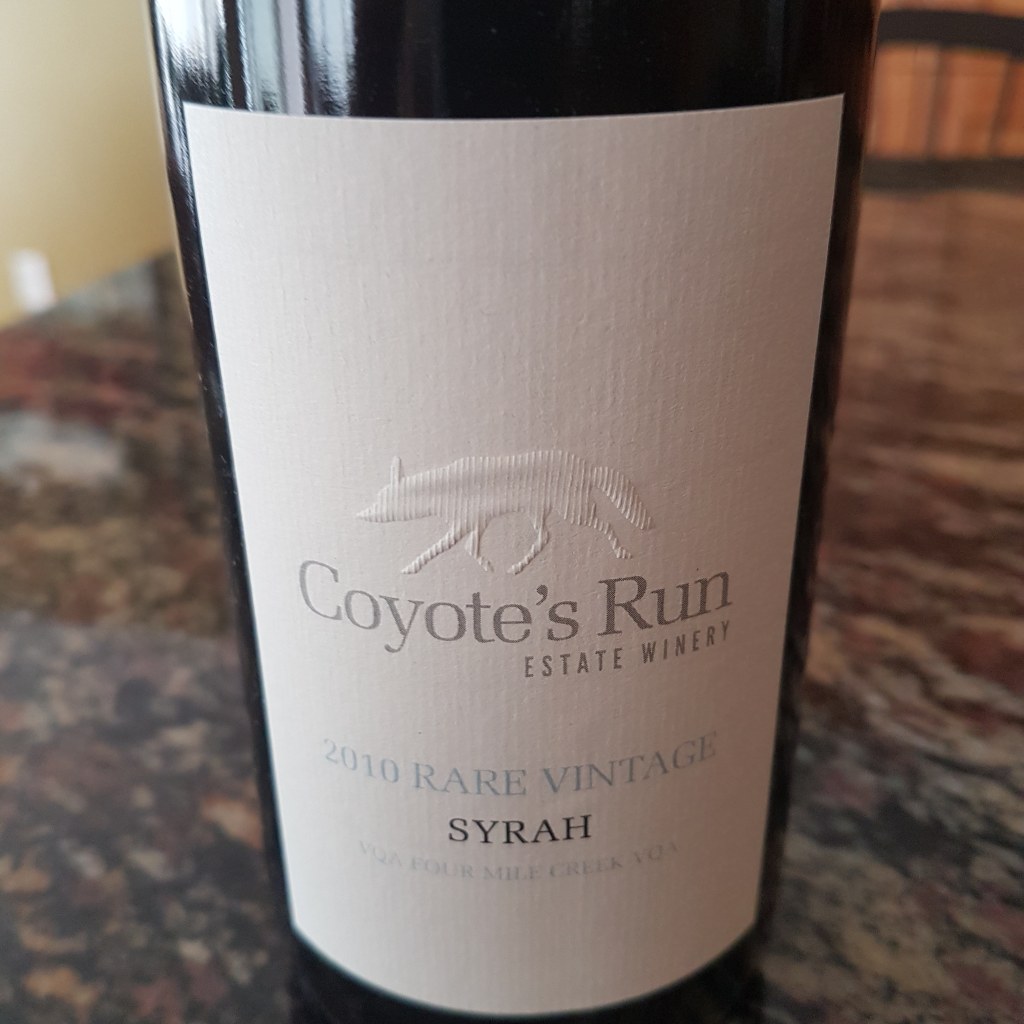
When Coyote’s Run was sold and closed, Dave Sheppard returned to Flat Rock and is back at the helm of winemaking – and for Flat Rock this is an amazing coup.
The wines of recent notoriety:
2015 Gravity Pinot Noir – $50 at the winery
2017 Chardonnay – $19.95 at Vintages at the LCBO
Hidden Bench Estate Winery
The critically acclaimed estate winery is in the heart of the Beamsville Bench. Premium wines are crafted using only certified organic estate fruit with sustainable, non-interventionist winemaking techniques.
They create only 100% estate grown wines in two series: the Estate Series, which are blends of their three vineyards; and the Terroir Series, which are single vineyard and/or barrel selection, limited production wines.
They produce 100% estate premium Pinot Noir, Chardonnay and Riesling.
The wines of recent notoriety:
2017 Pinot Noir Unfiltered – Sold Out
2016 Chardonnay Felseck Vineyard – $42.20 at the winery
2017 Estate Chardonnay – $29.95 at the winery
2016 Chardonnay Tête de Cuvée – $48.20 at the winery
2016 Riesling Felseck Vineyard – $30.20 at the winery
Konzelmann Estate
The winery began in the small German town of Uhlbach near the turn of the 19th century, when a restauranteur named Frederick Konzelmann left the culinary trade to pursue the craft of winemaking. By 1984 the Konzelmann family immigrated to Canada, purchased a lakefront peach orchard and created the vineyard.
The wines of recent notoriety:
2017 Lakefront Series Pinot Blanc – Sold out
2016 Meritage Reserve – Sold out
Leaning Post Wines
Leaning Post began as a virtual winery and is proud to now have the quaint tasting room at 1491 Hwy 8 on their home property in Winona, Ontario. Ilya and Nadia are the brains and passion behind Leaning Post Wines. It started with a dream to take unique, interesting single vineyard blocks in Niagara and turn them into distinctive, terroir driven wines.
Ilya has been a winemaker in the Niagara Region for the last 17 vintages working at Daniel Lenko Estate Winery, Foreign Affair and now at Leaning Post Wines. Ilya is also a consulting winemaker at the Good Earth Winery.
The wines of recent notoriety:
2017 Chardonnay Senchuk Vineyard – Sold Out
2016 Chardonnay Clone 96 – Sold out
Malivoire Winery
The winery began in 1995 with the purchase of what is now known as the Moira Vineyard, followed by the acquisition of the larger property where the winery now stands. Original plantings of Pinot Gris, Chardonnay, Gewurztraminer, Gamay and Pinot Noir were supplemented in the following years by additional vinifera varieties. Today Malivoire operates at the top of its capacity, producing twenty-four thousand cases of wine per year.
The wines of recent notoriety:
2016 Stouck Merlot – Sold out
2017 Old Vines Foch – $26.95 at the winery
2016 Pinot Noir, Small Lot – Sold out
2016 Courtney Gamay – Sold out
Marynissen Estates
Marynissen Estates has its roots deeply embedded in the soil of Niagara-on-the-Lake. Located in the Four Mile Creek sub appellation, the estate is home to the oldest commercial planting of Cabernet Sauvignon in Canada. The property, an old pig barn, was purchased in 1953 by viticulture pioneer John Marynissen and his wife Adrianna. John and Adrianna began growing their own grapes in 1976, planting the classic European vinifera grape varietals Chardonnay, Gewurztraminer, Riesling, Merlot and Gamay Noir. There focus is on small-lot winemaking.
The wines of recent notoriety:
2015 Heritage Collection Red – $34.95 at the winery
2015 Platinum Series Pinot Noir – Sold out
Megalomaniac
The winery first opened its cellar doors to the public in 2009. All operations from harvest to administration and even tastings took place in the underground cellar. Today, guests experience the Megalomaniac portfolio within a newly constructed establishment built above the original cellar.
The wines of recent notoriety:
Bubblehead Sparkling Pinot Noir – $34.95 at the winery
2017 Coldhearted Riesling Icewine – $39.95 at the winery
2018 Sparkling Personality – $19.95 at the LCBO
2016 Big Mouth Merlot – Sold out
Peller Estates Niagara-on-the-Lake
At the age of 58, thirty-four years after arriving in Canada, Andrew Peller’s modest Okanagan vineyard inspired a vision for the entire family and he opened wineries in British Columbia, Ontario and Nova Scotia.
The wines of recent notoriety:
2018 Private Reserve Sauvignon Blanc – Sold out
2017 Andrew Peller Signature Series Riesling – Sold out
Rosehall Run Vineyards
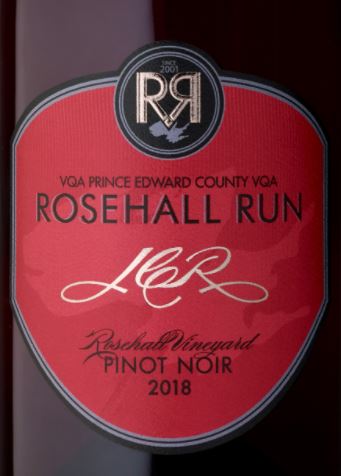
Dan and Lynn Sullivan, with support from Cam Reston, founded Rosehall Run in 2000. The 150-acre farm was selected due to its proximity to Lake Ontario. One of the earliest Prince Edward County wineries established in the west central region known as Hillier Ward; planting of the vineyard began in 2001 with Pinot Noir and Chardonnay. Today there are 25 acres of vinifera including Pinot Gris, Sauvignon Blanc, Gewurztraminer, Muscat and Tempranillo.
The wines of recent notoriety:
2017 JCR Pinot Noir – $39.95 at the winery
2016 Cabernet Franc Single Vineyard – $34.95 at the winery
Tawse Winery
Situated on the lower slopes of the Niagara Escarpment, Tawse is a family-owned organic and biodynamic winery, voted Canada’s Winery of the Year in 2010, 2011, 2012 & 2016. Founder Moray Tawse purchased 6 acres on the Cherry Avenue property in 2001. In 2005 he opened his state-of-the-art winery, complete with a six-level, gravity-flow design, geo-thermal system and a wetland bio-filter. The inspiration for his first Niagara property came from his love of Burgundian Pinot Noir and Chardonnay. Uniting traditional winemaking techniques with state-of-the-art technology, Tawse is dedicated to producing terroir-driven wines of exceptional elegance, depth and character.
The wines of recent notoriety:
2015 Meritage – Sold out
2016 Riesling Sketches of Niagara – $19.95 at the winery or the LCBO
2015 Chardonnay, Robyn’s Block – Sold out
2013 Lenko Vineyard Chardonnay – Sold out
2015 David’s Block Cabernet Franc – Sold out
Tawse 2013 Quarry Road Chardonnay – Sold out
The Foreign Affair
In 2000, taking a leap of faith, Len and Marisa Crispino bought prime farmland in the Vineland area of the Niagara Peninsula starting their journey to becoming one of the pioneers of appassimento in Canada. They then sourced quality vinifera varietals from Europe (Cabernet Sauvignon, Merlot, Cabernet Franc, Petit Verdot, Pinot Noir, Sauvignon Blanc, Chardonnay and Riesling) and after three years, the first crop was harvested in 2004.
When the grapes have fully ripened, the best bunches are hand harvested and placed gently in single layers on racks to air dry in their drying barns. They are left to dry naturally until their weight is reduced to approximately half, which can take between 2 and 3 months. The grapes are then hand sorted and crushed. This process concentrates the ripe flavours and adds the full-bodied character they are so well known for.
The wines of recent notoriety:
2015 Dream (red) – Sold out
2015 Temptress (red) – Sold out
The Organized Crime Winery
This small boutique winery is located on the Beamsville Bench of the Niagara Peninsula. Their parcel of south-facing land lies over the hillside edges of the Bench, and provides an ideal environment for cool climate winegrowing.
They farm the land themselves and assist in the winemaking throughout all stages of the process. Production volumes are very small. They lean towards the passion side of the business, rather than the commercial.
The wines of recent notoriety:
2017 Cuvée Krystyna Chardonnay – Sold out
2017 Limestone Block Chardonnay – $21 at the winery
2016 Cabernet Franc – $42 at the winery
Thirty Bench Wine Makers
“The Bench” is a narrow plateau that slopes gradually from the cliff of the Niagara Escarpment. Its mineral-rich soils, unique topography and favourable airflow patterns have made it one of Niagara’s most coveted sub appellations for growing grapes. Being tucked beneath the Escarpment offers the vineyards a longer season that allow grapes more time to ripen and cooler nights that help intensify flavours.
Thirty Bench wines are made exclusively with grapes from their own vineyards. The vines are hand cropped and thinned to produce very low yields that offer exceptional quality and an intensity of fruit.
They are committed to “Small Lot” winemaking which means many of the wines are made in extremely limited numbers.
The wines of recent notoriety:
2017 Small Lot Riesling Triangle Vineyard – $29.95 at the winery
2017 Small Lot Riesling Steel Post Vineyard – Sold out at winery
2017 Small Lot Gewurztraminer – $29.95 at the winery
Trius Winery
It’s been over 27 years since Trius Red, a Bordeaux blend-inspired wine produced by Hillebrand Winery entered the international wine scene when it became the first-ever Canadian vintage to be recognized as the Best Red Wine in the World. In addition to positioning Trius Red as the little big red that could, the win marked an important step for the Canadian wine industry, sending a signal that Canada’s wine could stand on their own against old world wines.
While Trius Red was originally the only Trius wine in the Hillebrand Winery portfolio, over time the portfolio grew to include sparkling wines and other offerings including Merlot, Cabernet Sauvignon and Riesling. In 2012, Trius Winery was born.
The wines of recent notoriety:
2017 Showcase Clean Slate Sauvignon Blanc Wild Ferment – Sold out
2016 Red Shale Cabernet Franc Clark Farm Vineyard- $65 at the winery
Two Sisters Vineyards
Two Sisters is located at the northern tip of the Niagara River sub-appellation bordered by the Niagara River to the East and Lake Ontario to the North. The river’s flow creates air convection currents which create moderate temperatures and draw cold air away from vineyards and into the river gorge. To the north, breezes from Lake Ontario provide a reliable and widely distributed moderating effect on temperatures throughout the seasons. These air currents ward off early spring and late fall frosts and most notably support an extended growing season giving us an advantage on their later-ripening varieties.
Two Sisters is committed to produce ultra-premium reds which require superior viticultural practices. They emphasize the varieties the estate grows best with their terroir; Cabernet Franc with its earthy structure, Cabernet Sauvignon for its rich, muscular presence and Merlot for its perfumed, elegant harmony between red and dark fruit aroma and taste. Their objective is to let the grapes hang well into the autumn.
The wines of recent notoriety:
2016 Unoaked Chardonnay – Sold out at winery
2013 Stone Eagle Special Selection (red)- $77.80 at the winery, Sold out at LCBO
Jackson-Triggs Niagara Estate
Nestled into 11.5 acres of the Niagara Peninsula, the Niagara Estate vineyard makes the most of this cool climate viticulture region.
Premium quality grapes flourish around Niagara-on-the-Lake because of the warming and cooling influences of Lake Ontario and its proximity to the Niagara Escarpment. The Niagara Estate produces the same high quality wines that you would associate with similar world-class regions such as Burgundy, Oregon and New Zealand, but with its own distinctive characteristics resulting from the unique terroir of the area.
The vineyard features 3 classic varietals: Chardonnay, Pinot Noir and Riesling grown from the finest vinifera clones and rootstocks, custom grafted in France. The winemakers also work very closely with a number of carefully selected grape growers in the Niagara region to augment their supply of premium vinifera grapes such as Merlot, Cabernet Franc, Cabernet Sauvignon, Gewürztraminer and Sauvignon Blanc.
The wines of recent notoriety:
2016 Jackson-Triggs Niagara Estate Grand Reserve Merlot – $25.95 at the winery, Sold out at LCBO
Personal Taste
Prices can range dramatically on the wines within and between the various wineries. Some of the wineries are mainstays that have been producing great wine for many years. Others are newer to the industry and are making an impressive name for themselves.
On numerous occasions I have enjoyed the wines of Flat Rock Cellars, Jackson-Triggs, Konzelmann Estate, Malivoire Winery, Marynissen Estates, Peller Estates, Rosehall Run, Tawse, and Trius. More recently I have discovered Two Sisters (a winner in my opinion).
I have yet to have the opportunity to try any wines from Big Head Wines, Creekside, Hidden Bench Estate Winery, Leaning Post, Thirty Bench, Organized Crime or The Foreign Affair.
I must admit that I have tried both Trius and Megalomaniac wines but did not find either to my liking. That is not to say that their wines are not good, they just don’t strike a chord for me. Trius is, in fact, one of the most critically acclaimed wineries in Canada and has been for many years so the quality of their wines is top notch.
If you get the chance to visit any of these wineries or see their wines in your local wine or liquor store, any of their wines would be well worth a try. Don’t limit yourself specifically to the particular wines I have highlighted here.
The practice to sell wine before it’s bottled, commonly known as “en primeur” or wine futures, is well established across many wine regions like Burgundy, the Rhône Valley, Piedmont Port and in particular, Bordeaux. The major châteaux of Bordeaux offer about 80% to 90% of their previous year’s wine production for sale as futures.
Beginning in late March or early April, the châteaus host tastings for the trade to evaluate the potential quality of the vintage harvested during the previous autumn. This is the first opportunity to purchase the new vintage. At that point the wines have just been placed into barrels and are still about two years from reaching the market in bottles.
Over the course of the spring, the châteaux release their trade prices for the vintage based on the initial response to the wines, as well as current economic conditions. It will be interesting to see how this proceeds this spring given the COVID-19 pandemic and the resulting effects on the economy.
The wines first go through courtiers (brokers) who take a small percentage of the cost. Next the right to sell the futures is passed on to the négociants (shippers), who set a new price for the wine, referred to as the ex-négoce price. With very few exceptions, no one deals directly with Bordeaux’s châteaux; they deal with the négociants.
Why Buy Wine Futures?
There are a few advantages of buying wine futures. The wine is often the least expensive at the first release because the margins made by wine merchants are the smallest. It is common for the price of the wine to increase and the margins made by wine merchants to also increase once the wine is offered for sale in the bottle.
Futures may be the only way for individuals to obtain high quality, low quantity, hard to find wine as such wines are often sold out prior to them being available for distribution.
Futures enable an individual to purchase a special wine for a special birth year, or as a gift or for weddings and anniversaries.
Futures enable people to purchase the latest vintage of wines that they like to get every year and where there is generally strong demand, such as Mouton Rothschild, La Mission Haut Brion, Cheval Blanc, Lynch Bages, Montrose, Pichon Lalande, Pontet Canet and Haut Bailly.
Wine futures, like other commodities, can be purchased with the hope or expectation that there will be a return on investment. Those who invest do so to secure high-quality wines at the best prices, but there’s no guarantee that they will be more expensive upon release.
Other Considerations
The wines are often not quite ready for consumption at the time they are released for distribution. This then requires the purchaser to have a suitable location to store the wine until it is actually consumed. Suggestions on cellaring wine can be found in my post from August 24, 2019, “Drink or lay down and how to cellar those you keep”.
Since any wine you purchase in this manner won’t be delivered for about 2 years, you will need to keep track of what you ordered, the quantity you ordered, the anticipated delivery date, and how much you deposited and what portion is due on delivery.
Selecting & Ordering Futures
I have purchased Bordeaux futures several times through my local liquor store. Once a year the store releases a catalogue containing all of the wine futures they have access to that particular year. The catalogue provides reviewers comments about each release, a scoring of the wine, the price per bottle, and the number of bottles available.
On the identified sale date, individuals can then order their selections either online or by calling a specified telephone number.
Realizing the Futures
When the wines are released from the winery they will be shipped to the wine merchant, who then contacts the purchaser. Since the wines are packaged and shipped direct from the chateau they are securely packed and often in a wooden crate that clearly identifies the chateau.
The wines can then either be cellared in the crate or placed on a shelf or wine rack until you are ready to enjoy them.
I recently read an article announcing that the Sandbanks Winery, one of the first in Prince Edward County, has been sold to Arterra. Catherine Langlois had operated the winery since its inception in 2001. Over the years Sandbanks has become most famous for its Baco Noir, Marechal Foch, and Riesling. Over the years there have been some other wonderful creations, such as the one time offering of a bold red that was a personal favourite, which I believe was called Bin 41.
Since inception Sandbanks Winery has proven to be a great place to visit and sample their award-winning wines. I have always found their staff to be knowledgeable and friendly. The uniqueness of their wine even included the labels, which were designed by a family friend.
It is not surprising that Sandbanks had received such attention by Arterra, given Sandbank’s dominance in Prince Edward Country.
According to the press release, by joining Arterra, Sandbanks will now have the resources and expertise to further enhance the winery’s capabilities.
So Who is Arterra?
Arterra Wines Canada has grown and evolved to owning and distributing 100+ wine brands, including seven of the top 20 brands in Canada. Its Canadian headquarters is in Mississauga, Ontario. Arterra Wines Canada operates eight wineries and over 1,700 acres of premium vineyards in Canada’s wine regions.
It also owns and operates Wine Rack retail wine stores in Ontario and sells wine kits and products for winemaking through its RJS Craft Winemaking brand. It employs approximately 2,000 full-time and part-time staff across the country.
Arterra has been making wines in Niagara and the Okanagan for the past 150 years. According to their web site, Arterra Wines Canada has been a pioneer in the Canadian wine industry with their origins dating back to 1874 when the Niagara Falls Wine Company was founded. One hundred twenty years later, they became known as Vincor International. Throughout the 20th century, wineries like Jackson-Triggs and NK’Mip were founded and acquired. Also purchased were New Zealand’s Kim Crawford.
In 2006, they were acquired by Constellation Brands, a U.S.-based company that is a leading international producer and marketer of beer, wine and spirits. In 2016, the Canadian branch of Constellation Brands was acquired by the Ontario Teachers’ Pension Plan, and Arterra Wines Canada was born.
In addition to the most recent acquisition of Sandbanks, and the wineries mentioned above, Arterra controls Inniskillen, and Le Clos Jordanne. Internationally, they have Sawmill Creek, Bodacious, Woodbridge by Robert Mondavi, Ruffino, Naked Grape, BÙ By Jessica Harno, and Wallaroo Trail.
According to Arterra, Catherine will continue to drive the Sandbanks brand for years to come. Hopefully that will be the case. Even if Catherine remains at the helm it will be interesting to see what direction the winery heads in now.
Whether there will be an impact on the smaller privately run wineries in the region remains to be seen. My guess however, is that impact, if any, will be minimal as most of these wineries are not marketing their products nationally or internationally. In fact, the sale may prove good for their businesses as people touring wineries often want to visit the grassroots operations, not the perceived big conglomerates where there is at least a perception of being impersonal.
We will have to wait and see what is now in store for Sandbanks for 2020 and beyond. I, for one, truly enjoy their wines and hope they remain top notch for years to come.