It seems that many people are not aware that Peru produces a variety of quality wines. In fact, it is the oldest wine producing country in South America, ahead of the more familiar wine nations of Chile and Argentina.
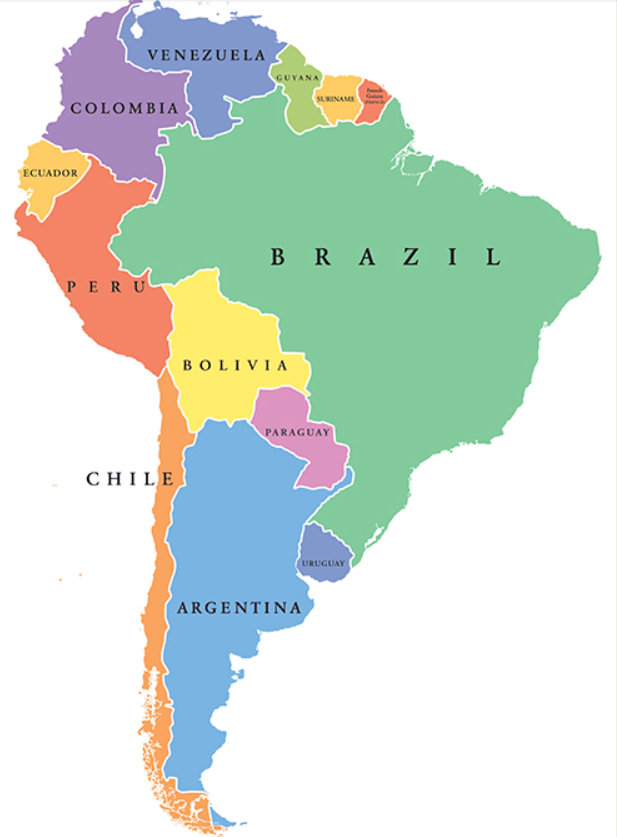
Because of the early Spanish settlers, Peru has a strong Spanish influence. During the 16th century Spanish conquistadors planted grape varieties that came from the Canary Islands. The 17th and 18th centuries were the golden age of wine production with Peruvian wine being sold throughout South America.
Unfortunately, during the 19th century viticulture suffered as a result of earthquakes, volcanic eruptions and phylloxera, an insect pest of grapevines worldwide. There were also economic restrictions imposed by Spain resulting in growers refocusing and producing crops other than grapes.
Those vineyards that remained changed their focus from wine making to producing pisco. Pisco is a pale yellowish to amber coloured spirit. It is produced by distilling fermented grape juice into a high proof spirit. Alternatively, grapes were used to make Borgoña, which is a sweet wine made from Isabella hybrid grapes.
Today Peruvian winemakers are once again focused on producing fine wine. They have modernized their wineries and repurposed their vineyards with the help of international consultants.
Producers are following one of two different paths. One is to grow European grape varieties, notably Malbec, Cabernet Sauvignon, Syrah, Merlot, Tannat, Sauvignon Blanc and Chardonnay. The other choice is to raise heritage grapes that have historically been used to make pisco. These include Quebranta, Mollar, Negra Criolla, Torontel, Muscatel Negro del Perú, Albilla and Italia. Some of these have been around since viticulture first began in South America, while others were bred there.
Production of wines from heritage grapes is a way to differentiate Peruvian wines from the other South American counties. On the other hand, there is plenty of potential to produce unique expressions using international varieties such as Malbec, Syrah, Cabernet and Muscat.
Whether you select a Peruvian wine made with heritage grapes or European varieties, the taste experience is well worth the effort to find one of these treasures along your wine store shelves.
Sláinte mhaith
 A Layman's Wine Musings