Bordeaux is one of the most iconic wine regions of not only France, but all of Europe. The wines produced in Bordeaux have become a benchmark for wine producers all around the world.
Bordeaux was first loved for its sweet white wines from the sub-region of Sauternes. The wine had prestigious clientele during an era when sweet white wines were more popular than dry red ones. There was also a rosé popular in the 1700’s, particularly with the English, who called it “claret” due to the wines translucent red color.
It wasn’t until the mid-1800’s that Bordeaux red wines became more well-known. The dramatic moment of this transformation was an official decree that classified the top producers of the day. The classification, now deemed the “1855 Classification”, identified the best producers in the region and ranked them 1 through 5. The classification basically hasn’t changed even though there are many more producers in the region making outstanding wines.
Bordeaux is one of the world’s oldest and most prestigious wine regions. Bordeaux is synonymous with quality and refinement. While the legendary wines of Château Margaux or Pétrus command prices that place them out of reach of the average consumer, Bordeaux’s true greatness lies in the fact that wines with elegance, sophistication and balance can be found at all price points.
Red wines from Bordeaux are medium to full-bodied with aromas of black currant, plums, and earthy notes. Cabernet Sauvignon and Merlot vines originated in Bordeaux. The tannins in these wines are often high enough that wines will age for several decades.
One of the most important things to know about Bordeaux wines is that they are a blend of grape varieties. The red Bordeaux Blend is one of the most copied around the world and it includes Cabernet Sauvignon, Merlot, Cabernet Franc, Petit Verdot, Malbec and a small amount of Carménère.
When serving Red Bordeaux, it should be slightly below room temperature (around 65 °F / 18 °C) and decanted for at least 30 minutes. All red wines should be stored below 65 °F / 18 °C.
You should expect to spend around $25–$30 for a great bottle of Red Bordeaux.
Suitable food pairings for Bordeaux include,
Meat
Black Pepper Steak
Roast Pork
Filet Mignon
Beef Brisket
Buffalo Burgers
Chicken Liver
Pot Roast
Venison
Duck
Goose
Dark Meat Turkey
Cheese
Ossau Iraty
Basque Cheeses
Manchego
Swiss Cheese
Comté
White Cheddar
Provolone
Pepper Jack
Herb/Spice
Black Pepper
White Pepper
Oregano
Rosemary
Mustard Seed
Cumin
Coriander Seed
Anise
Vegetable
Roast Potatoes
Lentils
Mushrooms
Onion
Green Onion
Green Bean Casserole
The Bordeaux region is separated into two sub-regions, the “Left Bank”, referred to as Médoc and Graves, and the “Right Bank”, known as Libournais.
The Left Bank (Médoc and Graves)
This area is known for its gravelly soils and graphite-driven red wines with a dominance of Cabernet Sauvignon in the blend. The most prestigious sub-regions in the Médoc include Pauillac, Saint-Julien, Saint–Estephe, Margaux and Pessac-Leognan (the areas first classified in 1855). The wines from Médoc are some of the boldest and most tannic of Bordeaux, perfect for aging or matching with red meat.
Left bank Bordeaux blends, in order of proportion are:
Cabernet Sauvignon
Merlot
Cabernet Franc
Malbec
Petit Verdot
The Right Bank (Libournais)
This area in Bordeaux is known for its red clay soils that produce bold plummy red wines with a dominance of Merlot. The most well-known and sought after sub-regions including Pomerol and Saint-Emilion. The wines from around Libourne are still moderately bold, but generally have softer, more refined tannins. For this reason, right bank wines are a great way to get introduced to the region. Here is a typical example of a Libournais Bordeaux blend in order of importance:
Merlot
Cabernet Franc
Cabernet Sauvignon
Entre-Deux-Mers “Between 2 Tides”
The area between the 2 major rivers of Bordeaux, the Garonne and the Dordogne, is called Entre-Deux-Mers. This area produces both red (predominantly Merlot) and white wines but is perhaps more well-known for its white wines, which are a blend of Sauvignon Blanc, Sémillon and the rare Muscadelle. Wines have grapefruit and citrus notes with zippy acidity–a perfect wine for summer and fish.
Sauternais Sweet Wines
Sauternes and its surrounding regions of Barsac and Cadillac, are along a particularly dank portion of the Garonne River. Morning fog causes the white grapes growing in the area to develop a certain type of fungus called Botrytis. The fungus causes the grapes to shrivel and sweeten making one of the sweetest white wines in the world.
White Bordeaux
Only a small part of Bordeaux’s wine production is dedicated to white wines. These wines are made with Sauvignon Blanc and Sémillon and range from zippy and fresh from places like Entre-Deux-Mers to creamy and lemon curd-like from places like Pessac-Leognan.
Last Word
Bordeaux is a region that has been a source of inspiration to many of today’s most popular wines. If you are a fan of red wine and have never tried a French Bordeaux, I recommend purchasing a bottle. Better yet, try both a left bank and a right bank wine and see which you prefer.
Argentina is one of the most important wine-producing countries in the New World, and though the second largest country in South America, it is the largest wine producer. The high-altitude deserts of the eastern Andes have given rise to a high-quality wine industry and the terroir here is well suited to Argentina’s adopted grape variety, the ubiquitous Malbec. Originally from Bordeaux, this is now responsible for some of Argentina’s most famous wines, which are characteristically bright and intense, with floral notes and flavors of dark fruit.
Wine has been produced in Argentina since the 1500s, initially by Spanish missionaries and later Italian settlers. Argentina only began exporting wines in the 1990’s. Until then their wines were strictly domestic and based mostly on the high-yielding Criolla Grande and Cereza grape varieties. Over the past 25 years the country’s wine producers have raised quality levels and successfully consolidated an international export market. Argentina has risen to become the fifth-most-prominent wine-producing country in the world, following France, Italy, Spain and the USA.
Most viticulture in Argentina occurs in the foothills of the Andes and most famously in Mendoza, where desert landscapes and high altitudes combine to make a terroir that gives rise to aromatic, intensely flavored red wines. Vineyards in Mendoza reach as high as 5000 ft (1500m) above sea level. Here, increased levels of solar radiation and a high diurnal temperature variation make for a long, slow ripening period, leading to balanced sugars and acidity in the grapes.
Nearly three-quarters of Argentinian wine production takes place in Mendoza, and in addition to Malbec, there are significant amounts of Cabernet Sauvignon, Chardonnay and Bonarda.
Further north, the regions of Salta and Catamarca are at higher elevations. There Argentina’s signature white grape, Torrontes, is grown, making an aromatic, floral white wine.
There is a wine region closer to the Atlantic coast, Rio Negro. The cooler conditions there suited to creating wines made from Pinot Noir.
Catamarca
Catamarca is a wine-producing region in the north-west of Argentina in the midst of the Andes mountain range. Quality and commercial focus are rapidly increasing here as they are elsewhere in Argentina. Torrontes, Syrah and Malbec vines are increasing throughout the region.
Jujuy
Jujuy is the northernmost viticultural area of Argentina. It is a relatively small wine region and is less commercially established than some of the other regions. Very little of Jujuy’s wine is marketed internationally. Torrontes is the most successful and best known of Jujuy’s grape varieties.
La Rioja
The La Rioja wine region is located in the foothills of the Andes Mountains in western Argentina, north of Mendoza and San Juan. The mountainous terroir of the region is particularly suited to the white-grape variety Torrontes, which produces crisp, aromatic white wines.
La Rioja was named for the northern Spanish region of the same name by Juan Ramirez de Velasco, a Spaniard from Rioja itself. This has caused some animosity between Argentina and Spain. The matter was settled, at least in legal terms, in 2011 when the Argentinian province won a court case allowing it to continue to label its wines as ‘La Rioja Argentina’.
La Rioja is best known for its white wines but Bonarda, Syrah and Malbec can also be found growing throughout the region.
Mendoza
Mendoza is by far the largest wine region in Argentina, producing about 70% of the country’s annual wine production. The French grape variety Malbec has its New World home in the vineyards of Mendoza, producing red wines of great concentration and intensity.
While Malbec is undoubtedly the main varietal produced in the region, there are also extensive plantings of Cabernet Sauvignon, Chardonnay, Syrah, Torrontes and Sauvignon Blanc. Mendoza is also becoming a producer of sparkling wine.
Rio Negro
Rio Negro is South America’s southernmost wine-producing region. Despite being one of the world’s least-obvious places for quality viticulture, this desert region produces elegant Pinot Noir and Malbec wines.
While Malbec is a mainstay in Rio Negro wines, Pinot Noir has become the region’s iconic grape variety. However, there are also great Chardonnay, Sauvignon Blanc and Riesling wines produced here.
Salta
Salta, in the far north of Argentina, is home to some of the world’s most extreme vineyard sites. Many sit at both lower latitudes and higher altitudes than anywhere else in the world. Cabernet Sauvignon, Malbec, Merlot and Tannat are the most prominent red-wine varieties in Salta, while Chardonnay and Torrontes are the region’s most respected white wines.
San Juan
San Juan is an important Argentinean wine-producing area, creating wines of increasing quality using traditional European grape varieties. Syrah and the ever-present Malbec are the most important of these.
Bonarda, Cabernet Franc, Cabernet Sauvignon, Malbec, Merlot and Syrah varietals are produced for red wines, and Chardonnay, Sauvignon Blanc, Torrontes and Viognier grapes are grown for white wines. Large quantity of Criolla and Cereza grapes are also produced and used to make cheaper, slightly sweet wines. The region also produces sherry-style wines and provides most of the base for Argentina’s brandy and vermouth.
In Closing
Grape varietals grown in Argentina will often be warmer and spicier than their European counterparts, and very similar in flavour to the wines of neighbouring Chile. However, I have often found that the price of comparable Argentinian and Chilean wines will be slightly more favourable to Argentina.
If you have never tried Argentinian wine it is well worth the endeavour. A good assortment of reds and whites at varying price points should be readily available at your local merchant.
New Zealand’s wine regions extend 1,600 km. from sub-tropical Northland down to Central Otago, where you will find the world’s most southerly vineyards. The vines benefit from the moderating effect of the maritime climate, long hours of sunshine and nights cooled by sea breezes.
If you like cool-climate wines, such as those from Canada, France, Germany or Austria and like Chardonnay, Riesling, Sauvignon Blanc, Cabernet, Merlot, Pinot Noir and Syrah, then you should give New Zealand wines a try.
Sauvignon Blanc was the first wine to put New Zealand on the map, and it developed a following with millions of people around the world.
The world’s love affair with New Zealand wine grows as wine lovers continue to explore their diverse range of wine varieties and styles.
Most of New Zealand’s wine regions are situated on the eastern coastlines of the North and South Islands, in the rain shadow of the mountains, each with its own unique soils and climatic conditions. Within the eleven regions, sub-regional characteristics distinguish wines as being not just from a wine region, but from a sub-region and a place.
Marlborough
Marlborough provides a combination of a cool but sunny climate, a low amount of rainfall and free-draining, moderately fertile soil. The result is unique wines. Marlborough put New Zealand on the international wine stage during the 1980s with its exquisite Sauvignon Blanc.
This is the country’s largest wine region with in excess of 20,000 hectares of vines under the control of local wine producers. This is about 2/3 of the national total.
Marlborough wineries offer a wide range of varieties, from exquisite Pinot Noir to intense Chardonnay, and vivacious aromatics.
Hawke’s Bay
Hawke’s Bay is New Zealand’s second largest wine region. Wine has been produced there since 1851.
Hawke’s Bay has developed an international reputation for producing high quality Cabernet & Merlot blends, Syrah, Chardonnay, Pinot Noir and an impressive array of aromatic white wines.
The warm climate and long growing season also allow for the successful production of dessert wine styles.
Central Otago
Central Otago
Central Otago is home to some of the world’s best Pinot Noir and impressive white wines, including aromatics such as Riesling, Gewürztraminer, Viognier, Muscat and Pinot Gris, as well as Chardonnay and Sauvignon Blanc.
By the 1970s there was a significant commitment by winegrowing pioneers that endure today in names such as Chard Farm, Rippon, Black Ridge and Gibbston Valley.
Gisborne
This is a relatively remote area that grows a diverse range of wines, from full-flavoured and fruit-driven, to critically acclaimed classics. Gisborne is home to a mix of large producers, boutique wineries, and entrepreneurial growers, who are continuously exploring new varieties and vineyard sites.
Chardonnay is the dominant variety and enjoys great success. Delightfully bright Pinot Gris is the region’s second-largest wine variety, with emerging varieties being trialled with great success.
Canterbury & North Canterbury
The Canterbury wine region spans nearly 200 km. of the South Island’s eastern coastline, with the Alps to the west and the Pacific Ocean to the east. The region has an excellent reputation for elegant and expressive Pinot Noir, Chardonnay and aromatics, with other varieties achieving outstanding results.
Vineyards were first established on the Canterbury Plains in 1978, with plantings to the south-west of Christchurch and North Canterbury following close behind.
Wairarapa
Wairarapa (meaning glistening waters in Maori) is a boutique region having just 3% of New Zealand’s land under vine, and contributes to 1% of its total production.
A range of styles and varieties are grown, such as standout Pinot Noir, Sauvignon Blanc and aromatics, as well as stylish Chardonnay, Syrah and dessert wines.
The three main sub-regions in the area are Martinborough, Gladstone and Masterton. These sub-regions share a similar climate and soil structures, but provide subtle differences in character.
Wairarapa’s modern wine history dates from the late 1970’s plantings of Martinborough, which included producers such as Dry River, Martinborough Vineyard, Ata Rangi and Margrain.
Nelson
This picturesque region is situated on the northern tip of the South Island. Nelson is a boutique wine region producing outstanding Pinot Noir, Chardonnay, Sauvignon Blanc and aromatics, as well as an impressive mix of emerging varieties.
Growers in the 1970s developed the modern wine industry with iconic names such as Seifried and Neudorf still going strong.
Auckland
This large and very diverse region is home to some of New Zealand’s biggest wine companies, as well as numerous high-quality boutique vineyards, offering something for every palate. It is one of New Zealand’s oldest wine regions, established in the early 1900’s.
Waiheke Island is home to great Syrah, world-class Chardonnay, intense Cabernet blends and fine aromatics. West Auckland is known for its internationally recognised Chardonnay and Merlot. In North Auckland there are excellent Cabernet blends, Pinot Gris and Syrah, along with numerous emerging red varieties.
Northland
Its northern location close to the sea gives the Northland region an almost subtropical climate, having high humidity, warm temperatures and lots of sunshine.
The first vines in New Zealand were planted in the Bay of Islands in 1819. The in the late 1800s, the Croatians brought the European tradition of winemaking to the region.
Tropical Chardonnays, popular Pinot Gris and vibrant Viogniers are leading the white wine growth in Northland. Red wines produced include spicy Syrahs, stylish Cabernet and Merlot blends, peppery Pinotages and complex Chambourcin.
Waitaki Valley, North Otago
Flanked by the cool south Pacific Ocean to the east and the high peaks of the Southern Alps to the west, the Waitaki River is one of New Zealand’s largest wine regions.
The Waitaki Valley vineyards stretch along a 75 km. strip taking advantage of hot, dry summers, cold winters and long dry autumns.
Signature varieties from the area include Pinot Noir, Pinot Gris, Riesling, Chardonnay and Gewürztraminer.
Waikato & Bay of Plenty
The Waikato and Bay of Plenty regions south of Auckland have small pockets of vineyard plantings scattered amidst rolling farmland. Wine styles are focused mainly on Pinot Noir, Pinot Gris, and Sauvignon Blanc.
In Closing
Although New Zealand produces less than 1% of the world’s wine, it offers an impressive range of high-quality varieties and styles. Whatever your preferences, there’s sure to be a wine to suit your palate.
Chile is one of South America’s most important wine-producing countries. It is home to a wide range of terroirs, and an equally wide range of wine styles.
The Chilean viticultural industry is often associated in export markets with consistent, good-value wines, but some world-class reds are also made, commanding high prices. For red wines the initial export mainstays have been Bordeaux varieties of Cabernet Sauvignon and Merlot.
Like many New World countries Chile has adopted a signature grape variety. In this case it is Carmenère, which was once widely grown in Bordeaux, France. The French variety was virtually wiped out following the European phylloxera outbreaks of the 19th Century. However, it was rediscovered in Chile in the 1990s.
Pinot Noir from the cooler parts of Chile is beginning to make an impression and Syrah is increasing in popularity in many regions offering a wide variety of styles. Other varietals grown in Chile include Petit Verdot, Cabernet Franc and Malbec.
White wine varietals include Chardonnay, and Sauvignon Blanc. Viognier, Riesling and Semillon are among those varieties grown on a smaller scale.
Chile has been producing wine since the first European settlers arrived in the mid-16th Century. However, it wasn’t until the 19th Century that viticulture began to expand in Chile, mainly due to the spread of wealth associated with mining. European trends started to infiltrate.
Throughout the 20th Century, Chilean wine was limited to a domestic market, but a push toward quality in the latter half of the century saw an uptake in the international market. Whereas Chilean winemakers had traditionally used tanks and barrels made of beech wood, in the 1980s stainless-steel tanks and oak barrels were introduced, marking the start of a technology-driven era.
Aconcagua Valley
Cabernet Sauvignon, Syrah and Merlot are grown in this region. ‘Sena’, a wine produced as a joint venture between Vina Errazuriz and Robert Mondavi, came to the region in 2004.
Atacama
The Atacama wine region in Chile’s far north produces large quantities of table grapes and other fruit. However wine production is on a smaller scale. Red wine grapes cultivated here include Pinot Noir and Syrah. White wine is made mainly from Chardonnay and Sauvignon Blanc grapes. Corporate giant, Viña Ventisquero, is the major player here.
The region also produces Pisco, the Chilean eau-de-vie. This is a brandy-like spirit which has been distilled in Chile since the arrival of the Spanish conquistadors in the 16th Century.
Bío Bío Valley
This region has enjoyed a dramatic rise to fame since the year 2000. There is an international appetite for its crisp, aromatic wine styles. Bío Bío has provided an excellent place for Chilean winegrowers to work with varieties such as Riesling, Gewurztraminer and Viognier.
Cachapoal Valley
Cachapoal Valley is a central wine zone in Chile that forms the northern half of the Rapel Valley region. The most noteworthy wines from the region are made from Cabernet Sauvignon and Carmenère. However, Merlot, Syrah and Chardonnay are also grown there.
One of Chile’s up-and-coming wine districts, Peumo, is located in Cachapoal Valley. Peumo wines now include some of the country’s finest Carmenère wines.
Casablanca Valley
This wine-growing region of Chile is best known for its crisp white wines, most notably Sauvignon Blanc and Chardonnay. It has attracted considerable investment from wine companies based in other regions and from other countries.
The region is relatively new by Chilean standards as the Casablanca Valley’s first vineyards were planted in the 1980s during the revitalization of the Chilean wine industry.
It is the region’s cooler climate that makes Casablanca’s white wines stand out from their local rivals. With a longer ripening period, the white grapes have more time to develop greater flavor complexity, while maintaining sugars and acids in balance.
The difference between Casablanca’s climate and that of Chile’s more southerly regions led the prestigious Casa Lapostolle to choose the valley as the exclusive source of grapes for its Cuvée Alexandre Chardonnay. The region is now growing a wide range of white grapes, notably aromatics such as Viognier, Gewurztraminer and Riesling, and is at the heart of Chile’s efforts to prove that it is able to excel at more than just red wines.
Central Valley
The Central Valley (El Valle Central) of Chile is one of the most important wine-producing areas in South America in terms of volume. It is also one of the largest wine regions, stretching from the Maipo Valley, just south of the capital of Santiago, to the southern end of the Maule Valley.
The Central Valley is home to a variety of grapes, but is dominated by the internationally popular Cabernet Sauvignon, Merlot, Syrah, Chardonnay and Sauvignon Blanc. Chile’s ‘icon’ grape, Carmenère, is also of importance here. The cooler corners of the Central Valley are being increasingly developed, as winemakers experiment with varieties such as Viognier, Riesling and Gewürztraminer.
A wide variety of wine styles and quality can be found in this large area, including the fashionable, and relatively expensive Bordeaux-style wines.
Because the area covered is so large and the terrain so varied, the name ‘Central Valley’ on a label is unlikely to communicate anything specific about the style of wine in the bottle. Also, with a number of independently recognized sub-regions now in place, such as Colchagua and Cachapoal, most wines of any quality are able to specify their sub-region of origin rather than the generic Central Valley. As a result, the Central Valley title is mostly used for mass-produced wines made from a range of sources.
Choapa Valley
Choapa Valley is one of Chile’s newest wine regions, located north of Santiago in the narrowest part of the country. Syrah and Cabernet Sauvignon have proved well suited to the terroir here, producing smoky, elegant wines with characters of dark fruit.
One of Chile’s largest commercial producers, De Martino, has helped put the region on the map by producing a Choapa Valley Syrah that has already garnered international attention.
Colchagua Valley
This region in central Chile is one of South America’s most promising wine regions. Some of Chile’s finest red wines are made in the valley, mostly from Cabernet Sauvignon, Carmenère and Syrah grapes.
The dominance of Cabernet Sauvignon, Carmenère, Malbec and Merlot in the warmer east is mirrored by that of Chardonnay and Sauvignon Blanc in the ocean-cooled west.
Curico Valley
Curico Valley is a wine-producing region in central Chile, located roughly 185 km south of the capital, Santiago. It is divided into two sub-regions: Teno in the north and Lontue in the south. The valley is known for its reliable, good-value everyday wines, particularly the reds made from Cabernet Sauvignon and Sauvignon Blanc.
Curico’s vineyards are planted with more varieties than anywhere else in Chile. However, the dominant grapes are Cabernet Sauvignon and Sauvignon Blanc. Curico may have yet to produce a Cabernet Sauvignon to rival Maipo’s red wines and its Sauvignon Blanc still does not match the fresh, complex style found in Casablanca, but the valley is one of Chile’s workhorse regions and its output is consistent and reliable.
Elqui Valley
The Elqui Valley wine region is located 400 km north of Santiago, at the very southern edge of the Atacama Desert. It is Chile’s northernmost wine region. Traditionally the region focused exclusively on producing Chile’s trademark brandy, Pisco, but today Elqui Valley vineyards are producing bright, intensely aromatic wines, most notably from Sauvignon Blanc and Syrah grapes.
Alongside Sauvignon and Syrah, the Elqui Valley is also home to plantings of Chardonnay, Carmenere and Pedro Ximenez. It is one of Chile’s up-and-coming regions, and its wines are attracting attention from international critics and consumers alike.
Itata Valley
Itata Valley is a wine region in the southern end of Chile’s long, thin wine producing zone. This historical, cool-climate region is dominated by plantings of Carignan, Muscat of Alexandria and Pais (aka Mission, aimed more at domestic consumption), although producers are beginning to plant more modern grape varieties like Cabernet Sauvignon, Cabernet Franc, Pinot Noir and Chardonnay.
The first vines are said to have arrived in the Itata Valley the 1550s, potentially making the region one of the first to be planted with vines in Chile. By the 20th Century, the region was associated with the production of bulk wine, which is evidenced by the large amounts of Pais and Muscat of Alexandria vines still planted here. The region became unfashionable in the 1980s as Chilean producers started to put quality before quantity. It is now beginning to make a comeback with plantings of more internationally accepted varietals.
Leyda Valley
Leyda Valley is a small sub-region of the San Antonio Valley wine region in Chile, located just 90 km west Santiago. This cool-climate region produces bright, vibrant wines made from Pinot Noir and Chardonnay. The region is also provides some excellent Sauvignon Blanc and Syrah.
Limari Valley
Limarí Valley is one of the northernmost winegrowing regions in Chile, located 320 km north of Santiago.
Chardonnay is the mainstay in Limari Valley wines, producing wines with a certain minerality thanks to the relatively cool climate and the limestone content in the soil. Syrah is also successful here, producing savory styles in the cooler, coastal vineyards and fuller, fruit-driven styles in warmer, inland sites. Cabernet Sauvignon and Merlot – Chile’s most successful varieties, also feature alongside the Chilean signature grape, Carmenère.
Historically, the grapes grown in Limarí’s vineyards were either eaten as table grapes or were distilled into Chile’s trademark brandy, Pisco. Even today, as winemakers continue to seek out new spots within the valley, less than 20 percent of the region’s grape output is used for quality wine production.
Maipo Valley
Maipo Valley is one of Chile’s most important wine-producing regions. Located just south of Santiago, Maipo Valley is home to some of the country’s most prestigious wines. It is often described as the ‘Bordeaux of South America’, and rich, fruit-driven Cabernet Sauvignon is the most celebrated wine style.
The region can be roughly separated into three broad areas: Alto Maipo, Central Maipo and Maipo Bajo.
Alto Maipo
The vineyards of Alto Maipo run along the eastern edge of the Andes Mountains which encompasses the sub-regions of Puente Alto and Pirque, and is the most prestigious of Maipo’s viticultural areas. It is here that the vineyards of Don Melchor, Almaviva and Vinedo Chadwick can be found.
Central Maipo
Central Maipo is the lower-lying ground just to the west of Alto Maipo, surrounding the towns of Buin and Paine. Cabernet Sauvignon is still the most-grown grape variety, but there are also substantial plantings of Carmenère vines, as the warmer climate is well suited to this iconic Chilean grape variety.
Maipo Bajo
Maipo Bajo centres on the towns of Isla de Maipo and Talagante. The wine industry here is more concerned with winemaking than viticulture, and while there are a few vineyards, there are many wineries. Undurraga and De Martino are just two of the names that can be found in this part of Chile, making wines with grapes from all over the country.
Along with Cabernet Sauvignon and Carmenère, a wide range of grape varieties are planted in the Maipo Valley including Merlot, Syrah, Chardonnay and Sauvignon Blanc.
Malleco Valley
Malleco Valley is a southern wine-growing region in Chile, some 540 km south of Santiago. Crisp, fresh wines are produced here including Chardonnay, Sauvignon Blanc and Pinot Noir.
The wine industry in Malleco Valley is still in its infancy with less than 100 acres being grown here.
Maule Valley
Maule Valley is the largest wine-producing region in Chile other than the Central Valley, of which it is a part. It has 75,000 acres of vineyards, and has traditionally been associated with quantity rather than quality. But this is rapidly changing – the bulk-producing Pais vine is gradually being replaced with more international varieties such as Cabernet Sauvignon and Carmenère, and careful winemaking practices are being employed to make some world-class red wines from old-vine Carignan.
It has only been in the past 20 years that Maule has made a move toward quality, pioneered by the Kendall-Jackson empire of California, which set up a winery here in the mid-1990s.
Rapel Valley
Rapel Valley is a large wine-producing region in Chile’s Central Valley. The area produces roughly a quarter of all Chilean wine. The warm, dry region makes a wide range of wine styles, ranging from everyday wines to some of Chile’s most expensive and prestigious offerings.
Cabernet Sauvignon, Syrah and Carmenère are the most important grape varieties planted here. In general terms, Rapel Valley wines are produced primarily from red varieties, but there are some Chardonnay and Sauvignon Blanc. Malbec production is also on the rise.
San Antonio Valley
This is a small wine region in Chile, located to the west of Santiago. A new addition to the Chilean national vineyard, the region stands out as being able to produce quality Pinot Noir along with internationally respected white wines including Sauvignon Blanc and Chardonnay.
The San Antonio Valley also produces quality Pinot Noir and Chardonnay balanced in sugar and acids, as well as aromatic white varieties.
San Antonio valley is small when compared to the sprawling regions at the center of Chilean wine growing. It is home to a limited number of producers.
Final Thoughts
Not taking anything away from the other varietals, but my personal preference is for the Malbec wines, which are found in Colchagua Valley and to a lesser extent in Rapel Valley. I find them flavourful, but not overpowering. Malbec , like many of the Chilean reds, is warm and comforting, particularly during the winter months when it is cold and blustery outside.
I previously examined a number of the trending wines from Ontario. This week I will identify a similar group of wines that are on top of the wine scene in British Columbia. The wineries presented here are based on my own interpretation of critic reviews and award results over the past year. The information presented about each winery has been gathered from the winery web site.
Unfortunately, none of this particular group of wines is available in liquor or wine stores outside of B.C., but a number of them are accessible from the winery web sites.
The wineries are presented in alphabetical order. Though the critically acclaimed wines are presented, I doubt you would be disappointed in any of the wines offered from these establishments.
Blasted Church Vineyards
The winery is on a former church site so they focus their story on local folklore; the blasting of a local church with dynamite in order to move it from one location to another. The owners have played out the church theme well, in everything from the wine names and labels to the organization of their web site.
Notable wines:
2016 Merlot – $27
2017 Pinot Noir – Sold out
2012 OMFG (white) – $40
Cedar Creek Estate Winery
Cedar Creek has been Canada’s “Winery of the Year” twice. Winemaker Taylor Whelan is building upon three decades of winemaking history and defining a new chapter with estate-grown, organic wines. Both the Home Block and Cedar Creek estate vineyards have been officially certified organic following a three-year conversion of the estate’s viticulture and winemaking practices. For the Kelowna winery, it was a three-year conversion process, accredited by Ecocert Canada, which began in August of 2016.
Because of planting decisions made in the early 1990’s, they now have 30-year-old vines at the heart of everything they do.
Notable wines:
2018 Chardonnay – $19
2018 Platinum Block 7 Pinot Gris – $30
2018 Platinum Block 3 Riesling – $30
2017 Platinum Riesling Icewine – $58
2017 Platinum Haynes Creek Vineyard Syrah – $50
2017 Pinot Noir 2017 – $27
Deep Roots Winery
Deep Roots is a family owned and operated winery perched on the clay cliffs above Okanagan Lake on the Naramata Bench.
The family has been farming the land around the winery for 100 years, spanning four generations. After many years of selling grapes to other wineries they produced their first vintage in 2012.
They have two vineyards at two sites on the Naramata Bench: the Hardman Vineyard and Rayner’s Vineyard.
The Hardman Vineyard is home to nine acres where they grow Muscat, Gamay, Merlot, and Malbec. The Rayner property is home to eleven acres of vines including Chardonnay, Pinot Gris, Malbec, and Syrah.
Both of these farms were planted with fruit orchards for much of the previous century, which has contributed to the unique and rich terroir of the area. All of the vineyard work is done by hand.
Notable wines:
2017 Syrah – Sold out
2016 Parentage Red – Sold out
2017 Malbec – Sold out
Fort Berens Estate Winery
Fort Berens Estate Winery is a culmination of the dreams, vision and pioneering spirit of several entrepreneurs. The winery is owned by a team of eight individuals who share a common belief in the incredible winemaking potential of British Columbia’s Fraser Canyon and a shared vision to make Fort Berens into one of Canada’s leading producers of fine wine.
Notable wines:
2017 Cabernet Franc – $28
2017 Cabernet Franc Reserve – $32
2017 Pinot Noir Reserve – $30
2017 Meritage – $26
2017 Meritage Reserve – $32
2017 Red Gold – $45
2018 Pinot Gris – Sold out
2018 Chardonnay – $20
2017 White Gold Chardonnay – $26
2018 Riesling Reserve – $24
Gold Hill Winery
Gold Hill opened in 2009. The founders, brothers Sant and Gurbachan Gill, are farmers from the Indus Valley region.
Sant moved to B.C. as a 20-year-old. He headed straight for the Golden Mile fruit belt and began growing. His younger brother, Gurbachan, soon followed. The brothers grew grapes for a number of wineries from their home vineyards, in their natural element. They understood the area’s microclimate and its dry, rocky soil to perfection.
In time, they bought land and planted vines. Soon they had a healthy business selling grapes to a growing number of notable B.C. wineries–but they had bigger plans for their land.
In 2009, Sant and Gurbachan decided to open a winery with the support of their family. For the location, they chose their prime vineyard on the slopes of a hill along the Golden Mile, between Oliver and Osoyoos.
They partnered with winemaker Philip Soo, a well-respected wine consultant with a terroir-driven approach and scores of great wines to his credit.
Gold Hill’s inaugural 2009 Cabernet Franc was honoured with the prestigious Lieutenant Governor’s Award of Excellence in 2012.
Notable wines:
2013 Syrah – Sold out
2014 Syrah – $35
2013 Merlot – Sold out
2014 Cabernet Franc – $35
Hillside Winery
Grow the best quality fruit possible, pick at optimum physiological ripeness, ferment cool, and intervene with nature only when necessary are the objectives of Hillside. The temptation to constantly “fiddle” and “improve upon” Mother Nature is really more about manufacturing. Natural, beautiful wine is not manufactured—rather, it is carefully guided through natural phases to become the glorious essence of the effects of sun and soil on specific grape varieties.
It is their belief that great wines start in the vineyard, and to this end, they use only the best quality fruit available from their twenty acres of grapes densely planted on hillside terraces surrounding the winery. They also have partnerships with select vineyards along the Naramata Bench.
They are committed to producing hand-crafted, naturally fruit-forward, well-balanced wines that represent the true character of the grapes. The wine is fermented and aged in many small batches to maintain the varietal character and integrity of each grape type and vineyard.
Cool temperature fermentations for the whites using state of the art steel fermenters allow them to produce intensely aromatic and flavourful wines that captivate the senses. More traditional techniques are applied to the reds involving open top fermenters, French and American oak barrels, and a very hands-on winemaking team, resulting in rich, classic style wines that have consistently won accolades from wine judges.
Notable wines:
2016 Cabernet Franc – Available to their wine club members only
2016 Merlot Malbec – $26
Kitsch Wines
The Kitsch family’s Okanagan roots stretch back to 1910, when Kelowna was still a small, lakefront pioneer settlement. Four generations later, this entrepreneurial family takes great pride in helping to shape the past and the future of the Okanagan Valley.
Founders Ria and Trent Kitsch have blended their passion for wine and creative entrepreneurship to produce premium, sustainably-grown wines. With a little help from some friends, the young family transformed overgrown fields into lush vineyards, set on historic apple orchards that originally served as the Kelowna Land and Orchards (KLO) headquarters.
Notable wines:
2017 5 Barrel Pinot Noir – $69
2018 Maria’s Block Riesling – $25
Lake Breeze Vineyards
The wines of Lake Breeze are known to be clean, crisp and fruit driven in style. They endeavour to take the natural expression of the grape and transfer it to the bottle with as little intervention as possible.
The newly introduced Lake Breeze Cellar Series is a luxurious collection. Each varietal pays tribute to the regional wind that embodies its unique winemaking style.
In 2016 they introduced an additional premium wine made by Garron Elmes under the MacIntyre Heritage Reserve label. These wines are a bold and prideful celebration.
Notable wines
2017 Aura – Pinot Noir – Sold out
2016 Mistral – Syrah – Sold out
Lakeside Cellars
Lakeside Cellars is situated on the eastern shores of Lake Osoyoos. The estate is comprised of a 14-acre parcel of land that was originally a vast cattle and agriculture enterprise dating back to 1882. In 2015, Harbans and Harkesh Dhaliwal purchased the historical landmark and resting place of the old Haynes Homestead.
Lakeside now also sits on the site of the first commercial orchard owned and planted by Leslie Hill. The Hill Ranch stretched 1,100 acres on the eastern slop around Lake Osoyoos. Orchards of cherries, apricots, nectarines, plums, prunes, peaches, pears and apples were the first planted in the Okanagan north of the U.S. border.
Upon purchasing the lakeshore property in 2015, the Dhaliwals inherited old-vine plantings of Cabernet Sauvignon and Sauvignon Blanc planted in 1998. Their mission was to continue the tradition of agriculture on the property and guide its rich history towards the current Okanagan lifestyle.
Notable wines:
2016 Portage Red, Okanagan Valley- $24
2016 Syrah, Okanagan Valley – $26
2016 Cabernet Sauvignon, Okanagan Valley – $26
2016 Cabernet Franc, Okanagan Valley – $28
Martin’s Lane Winery
The winery consists of three tiny estate vineyards. They take a micro view of the vineyard and think about wines right down to the single block or vine. They consider their winemaking approach gentle and guiding. The wines are tended, harvested and crafted by hand. They don’t use a single pump as they believe this brings out elegant and complex expressions of Pinot Noir and Riesling.
Notable wines:
2016 Simes Vineyard Riesling – Sold out
2016 Naramata Ranch Vineyard Riesling – Sold out
2016 Frtizi’s Vineyard Riesling – Sold out
2014 Simes Vineyard Pinot Noir – $100
2015 Simes Vineyard Pinot Noir – $100
2015 DeHart Vineyard Pinot Noir – $100
2015 Fritzi’s Vineyard Pinot Noir – $150
2015 Naramata Ranch Vineyard Pinot Noir – Sold out
Mission Hill Family Estate
Making great wines and providing a special place where people can enjoy them is the aim of Mission Hill. They want their winery to be a refuge from the hurried pace of daily life.
Notable wines:
2018 Terroir Collection No. 19 Brigadier’s Bluff Rosé – Sold out
2017 Terroir Collection Border Vista Cabernet Sauvignon – Available only to wine club members
2017 Reserve Shiraz – $27
2017 Reserve Pinot Noir – $28
2018 Reserve Rosé – Sold out
Moon Curser Vineyards
Moon Curser Vineyards is a small, family owned winery on the East Bench of Osoyoos, BC. It has been in operation since 2004, when Chris and Beata Tolley purchased an old orchard in need of replanting and set about converting it into what is now the Moon Curser home vineyard block, winery and tasting room.
The winery is known for growing unusual varieties such as Tannat, Dolcetto, Touriga Nacional, and Arneis to name a few. These varieties have not historically been a part of the South Okanagan viticulture but thrive in the unique terroir on the Osoyoos East Bench.
The vines have thrived in Osoyoos and continue to deliver unique, world-class interpretations of these traditional wines. Moon Curser has brought home many a gold medal from Canadian and international wine competitions.
Notable wines:
2017 Touriga Nacional (red) – $40
2017 Dead of Night (red) – $40
2017 Syrah – $26
Nk’Mip Cellars Winery
Nk’Mip Cellars is the dedicated guardian of a proud legacy. They claim to be the first Indigenous-owned winery in North America and they express their culture in everything they do. The winery itself is a bold celebration and a strong reflection of their commitment to authenticity and deep respect for their colourful past. They have had international award-winning wines.
Notable wines:
2018Qwam Qwmt Riesling – Price not provided
2018 Winemakers Dreamcatcher – Sold out
2016 Red Merriym Meritage – Price not provided
Red Rooster Winery
Red Rooster Winery was founded in 1990 by a European couple who settled in the area. The first vintage was released in 1997. It was not long before the winery became known for producing award-winning wines that express the very best of BC and the Okanagan.
Notable wines:
2018 Riesling – Sold out
2017 Rare Bird Series Pinot Noir – $35
Sandhill
Each bottle of Sandhill wine is made from grapes that come from one of six unique BC vineyards – Sandhill Estate, King Family, Phantom Creek , Osprey Ridge, Hidden Terrace and Vanessa Vineyard. Each vineyard possesses a unique combination of soil composition, slope, sun exposure and drainage.
Each vineyard manager employs techniques that bring subtle influences into the growing environment. These one-of-a-kind conditions inevitably produce grapes with unique characteristics.
This, in turn, provides the opportunity to create a wine that’s truly distinct. In the winery, a non-interventionist approach allows the character of the fruit to shine through in the wine. This allows the complex, subtle, unique character of each vineyard to reveal itself.
Notable wines:
2018 Riesling Icewine – Sold out
2017 Single Vineyard Syrah Sandhill Estate Vineyard – $40
2016 Single Vineyard ONE Vanessa Vineyard – Sold out
Township 7 Vineyards and Winery
Township 7 focuses on the production of small lot wines made from carefully chosen grape suppliers from the Okanagan Valley and from estate vineyards in Langley and on the Naramata Bench.
Notable wines:
2018 Pinot Gris – $19
2018 Raju Vineyard Viognier – $25
2017 Merlot – $25 at the winery
2017 Cabernet Sauvignon – $28
Van Westen Vineyards
Situated in one of the most scenic wine regions in all of North America, Van Westen Vineyards has evolved from over 50 years of family tradition cultivating the soils of The Naramata Bench and producing some of the best wines in British Columbia.
With their expertise and emphasis on sustainable, cool climate viticultural practices, they continue to grow quality vinifera grapes and make premium wine.
Notable wines:
2016 Vulture (red) – $40
2018 Viscous Riesling – $25
Wayne Gretzky Okanagan
The Wayne Gretzky Okanagan winery doesn’t appear to have a web site and www.gretzkyestateswines.com only provides information on the Niagara winery.
Notable wines:
2016 Signature Series Shiraz – No price
2016 Signature Series Riesling – No price
The majority of these wineries are smaller family run operations built on pride and personal commitment to the creation of high quality wines. Prices can range dramatically on the wines within and between the various wineries. Some of the wineries have been producing great wine for many years while others are newer operations who are quickly making an impressive name for themselves.
Over 84% of the U.S.’s wine production comes from California, 5% from Washington, 3% from New York, 1½% from each of Oregon and Pennsylvania, and the balance from the rest of the nation. Surprisingly there are 41 wine producing states.
The U.S. follows the Appellation System, similar to France and Italy, whereby there are currently 242 American Viticultural Areas (AVA). In order to have an AVA appear on a wine label, at least 85% of the grapes used to produce the wine must have been grown in that particular appellation.
I have elected to discuss in more detail the wines of California, Washington, and Oregon as these are the wines that are available from Canadian retailers. For whatever reason wines from New York, though having higher production levels than Oregon, are not as readily available to much of Canada.
For a state or county appellation to appear on the wine label, 75% of the grapes used must be from that state or county. Some states have stricter requirements. For example, California requires 100% of the grapes used be from California for a wine labeled as such, and Washington requires 95% of the grapes in a Washington wine to be grown in Washington.
For bottles labeled with a varietal, at least 75% of the grapes used to make the wine must be of that varietal. In Oregon, the requirement is 90% for certain varietals, such as pinot noir. The requirement is a minimum of 95% in California.
California
California has been stereotyped as a producer of big, blockbuster-style reds and ripe, oaky whites. However, while these wines do exist, elegance and subtlety also play their part.
Napa and Sonoma are two regions that dominate Californian wine, but other regions are gaining in reputation, particularly those south of San Francisco, such as Paso Robles, Monterey, Santa Cruz Mountains and Santa Maria Valley. The wine must be from a particular vintage for that year to appear on the label.
California’s most renowned grape varieties are Cabernet Sauvignon and Zinfandel. However, there are significant amounts of Pinot Noir and Chardonnay, as well as lesser amounts of a number of French varieties, such as Syrah, Marsanne, Roussanne, Viognier, and Mourvèdre.
Oregon
Oregon has a great reputation for Pinot Noir and aromatic white wines, such as Riesling and Sauvignon Blanc. The region is on the same latitude as Burgundy, but benefits from more consistently sunny summers and very cool nights.
There are now more than 400 wineries producing pinot noir in Oregon across many sub regional areas, with the Willamette Valley having the greatest concentration of wineries. The Pinot Noir produced there has higher natural acidity than those from California. They also often have a savoury characteristic on the nose, but generous red berry tart fruits on the palate. These wines can develop great complexity with age and at their best represent some of the most serious fine wines produced in the USA.
Washington
The state of Washington is second after California in terms of importance for wine and offers a great diversity of terroirs. All of the wine growing regions are in Eastern Washington where the Cascade Mountain range acts as a rain barrier allowing for vines to grow. The climate is generally continental with hot dry summers and a significant diurnal temperature flux with summer night time temperatures dropping by more than 15 degrees. Washington is becoming recognised globally for the production of fine Cabernet, Merlot, Riesling and Chardonnay.
Zinfandel
The one grape varietal that is pretty much exclusive to the U.S. and California in particular, is the Zinfandel. The Zinfandel grape is very challenging to grow. It does not ripen evenly and full ripeness can be hard to achieve without reaching high sugar levels and, therefore, alcohol. The best wines, often made from the lowest viable yields, will have an intensity of fruit that more than handles the higher alcohol. Older or particularly well-balanced vineyards tend to achieve good levels of ripeness at lower alcohol levels.
The grape’s reputation has been knocked somewhat by certain growers favouring quantity over quality with plantings in unsuitably hot climates and yields that were more than was good for it. But in the right hands the grape can really excel across all price levels, producing wine that is muscular, intense and spicy, yet structured and abundantly fruity.
Final Thoughts
With regards to American wines, Zinfandel is well worth a try, and if you like big and bold wine, California Cabernet Sauvignon and Chardonnay may be to your liking. My personal favourites would include Oregon’s Pinot Noir. Oregon Pinot is more expensive than similar wines from California or Washington, and often more difficult to find, but in my opinion the flavour difference is worth the extra effort and cost to acquire one.
Personally, I find Portuguese wines a bit of a mystery. Although there are some excellent creations being produced, they don’t seem to receive the same notoriety as wines from Italy, Spain or France.
Because Portugal’s wine culture developed in relative isolation, there are many grape varieties that do not grow anywhere else in the world. There are over 250 indigenous varieties and a few imports that have adapted well to the Portuguese landscape. According to many wine experts, Portugal is the last frontier of wine in Western Europe explored. So with all the excitement this region offers, let’s take a look at what there is to know about the major wines and the regions.
DOC (or DOP) – DOC stands for Denominação de Origem Controlada and means the wine comes from a strictly defined geographical area with recommended and permitted grapes and maximum vine yields (to control quality). Technically there are 31 DOCs in Portugal although 3 of them overlap, making it seem more like 28.
Vinho Regional (or IGP) – Portugal is divided into 14 regional wine areas which have less strict rules for controlling which types of grapes are used, as well as maximum vine yields. While this implies that the wines will not be as high quality, many producers in Portugal use the Vinho Regional designation to create excellent wines using grapes or blends not allowed in DOC.
Vinho (Wine): The most basic classification of Portuguese table wine. These wines are generally not distributed outside of Portugal.
Each region is managed by a regional “Wine and Vine” commission, the Comissão Vitivinícola Regional (CVR). Each CVR supervises and controls the quality regulations in order to ensure quality and to maintain each region’s individual character.
Portuguese Wine Terms
Vinho Tinto – Red Wine
Vinho Branco – White Wine
Quinta – Wine farm. You’ll often find this word as part of a winery’s name on the label of wines.
The Wine Regions
Douro Region
Port is the most famous, and most copied, wine from Portugal and it grows in the Douro Valley.
Wines of Douro
Port – Fortified sweet wines; specifically LBV Port, Tawny Port, and Vintage Port wines which are the best and made by blending “port grapes” which include Touriga Franca, Touriga Nacional, Tinta Roriz (Tempranillo), Tinta Barrocca and Tinto Cão among many others.
White Port and Pink Port – Beyond the red Port there are also Port wines made with the rare white wine varieties in the region. Rosé Port is relatively new.
Tinto Douro – Full-bodied red wines. The same red grapes of Port wine are used to create full-bodied, tannic, age-worthy red wines.
Douro Branco – Light-bodied white wines. Douro Branco are crisp, minerally white wines with very little fruity flavour, subtle flinty notes and salinity, and high acidity. Douro white wines are a little harder to find and include the white Port varieties of Rabigato, Viosinho, Gouveio, and Folgazão.
Terras de Cister (Távora e Varosa) Region
Terras de Cister – Sparkling wines
This area produces wines with much more elegance and acidity than Douro, making it ideal for sparkling wines. There are a growing number of Chardonnay and Pinot Noir vineyards being planted along with the regional varieties of Malvasia Fina (aromatic white), Cerceal (light white), Gouveio (light white), Aragonês (aka Tempranillo), Tinta Barroca (red) and Touriga Franca (red) among others.
Transmontano (Trás-Os-Montes) Region
Tinto Transmontano – Full-bodied red blends
The most common wine from this area is Transmontano, which is a regional red blend. Wines are full-bodied, punchy, with higher alcohol levels.
Minho (Vinho Verde) Region
Vinho Verde wines are best served young when the wine is at its peak of aromatics and crisp acidity.
Wines of Minho
Branco Vinho Verde – Light-bodied white wines. Wines often have a slight spritz and fruity, lemonade-like flavors with notes of melon, gooseberry and chalky texture. White Vinho Verde wines are made with a blend of several grape varieties including Arinto, Azal, Trajadura, Loureiro and Alvarinho (a.k.a Albariño).
Rosado Vinho Verde – Rosé. The Rosado wines offer red berry flavors with quenching acidity like lemonade. The reds/rosés of Vinho Verde are found primarily in the southern part of Minho in the sub-regions of Amarante and Paiva. Red grape varieties include Alvarelhão, Amaral, Borraçal, Espadeiro, Padeiro (quite rare).
Alentejo Region
The Alentejo region contains many progressive and modern wineries making red wines that offer generous fruit and mocha flavors with refined tannins from careful wood aging strategies. White wines from the Alentejo range from medium-bodied refreshers to full-bodied in a style similar to Chardonnay.
Wines of Alentejo
Tinto Alentejo – Full-bodied red wines that are typically blends made with Aragonês (Tempranillo), Trincadeira, Castelão, Alfrocheiro and Alicante Bouschet.
Branco Alentejo – Light-bodied and full-bodied white wines made with Arinto (fuller in style), Antão Vaz (fuller in style), Roupeiro and Fernão Pires (an aromatic white variety).
Alentejano (IGP/Vinho Regional) – Full-bodied red and white wines from a larger encompassing region that may include non-indigenous grape varieties (Viognier and Syrah are growing in popularity here).
Lisboa Region
There are many wines from the various regions in Lisboa (Alenquer, Bucelas) that are already making their way into stores internationally. While there is great quality found in Lisboa (Bucelas, Colares, Alenquer, Arruda) most of the wines you’ll find available are great for everyday drinking.
Wines of Lisboa
Alenquer – Concentrated, high tannin red wines made with Castelão, Alfrocheiro, Aragonês (Tempranillo) and Touriga Nacional
Bucelas – Light-bodied, citrus and beeswax-driven, age-worthy white wines made with Arinto. .
Arruda – Full-bodied red wines that often include international grape varieties like Cabernet Sauvignon and Syrah
Colares – Very rare find. Golden colored, full-bodied white wines in an oxidative style made with Malvasia Fina
Óbidos and Lourinhã – Light-bodied aromatic white wines particularly with Fernão Pires
Torres Vedras – simple, low-alcohol refreshing white wines.
Setúbal Region
The region of Setúbal is famous for a fantastic rich, deep gold colored dessert wine called Moscatel de Setúbal
Dão Region
Wines from the Dão are lighter in style than in the Douro but have shown to age very well because of the tannin and acidity development from growing in high altitude areas with rugged soils of decomposing granite and schist (similar to Douro and Priorat).
Wines of Dão
Dão Alfrocheiro – Medium-bodied red wine with red berry flavors, licorice and spice notes
Dão Jaen (a.k.a. Mencía) – Full-bodied red wine. Raspberry and black cherry flavors with moderately high acidity and mouth-drying tannin.
Dão Touriga Nacional – Full-bodied red wine. Deep black fruit flavors with chocolate and mocha with refined tannins and medium plus acidity
Terras do Dão and Terras de Lafões – The Vinho Regional wines of the Dão with more experimentation and blends that include international varieties (Indi blends)
Tejo Region
Tejo plants all kinds of grapes, from Alvarinho (the grape of Vinho Verde) to the full-bodied blackish Alicante Bouschet. This is a good region for getting super value from Portugal.
Wines of Tejo
Red “Indi” Blends – Blends consisting of Cabernet Sauvignon, Syrah, Touriga Nacional, Trincadeira and Castalão
White “Indi” Blends – Consists of blends with Fernão Pires (an aromatic white wine), Arinto, Sauvignon Blanc and Chardonnay
Beira Atlântico (Bairrada) Region
Baga is the highly productive red grape of Beira, grown in Bairrada. From the aromatic and delightfully pink sparkling wines by Luis Pato to the soft, structured light-bodied red wines by Niepoort, this area is one of the new frontiers of winemaking for the Portuguese.
Wines of Beira Atlântico
Tinto Bairrada – Made from Baga and ranging from dense, tar-like, high acid reds to delicate, red fruit-driven wines with finely textured tannins and the ability to age.
Branco Bairrada – Made from the aromatic Fernão Pires (called Maria Gomes here), Bical and Arinto
Sparkling “Brut” Bairrada – Delicious beeswax-driven sparkling wines made with early picked Baga and Fernão Pires.
The Beira Interior
The most mountainous region in Portugal has one of the most challenging climates to produce grapes. With a shorter growing season the reds have red-fruit driven flavors with herbaceous smoky notes and a juicy finish while the white wines tend to be lean with chalky minerality. There are many old vines here as well as producers using native yeasts and organic viticulture.
Wines of the Beira
Tinto Beira – Red fruit-driven wines of Murufo, Bastardo, Alfrocheiro, Trincadeira and Touriga Nacional
Branco Beira – Lean, chalky white wines of Síria, Arinto, Malvasia
Madeira & Pico Island (Azores)
Verdelho is the main regional white wine grape. Wine from Pico is golden, viscous liquid that is hauntingly sweet, tart and somewhat salty with a smokiness from the volcanic landscape. Madeira, on the other hand, has the most collected and appreciated fortified wines in the world.
Algarve Region
There are nearly 2500 acres / 1000 hectares of grapes in the Algarve. The wines aren’t designed to age, but there is hope in particular for red wines with Alicante Bouschet, Syrah and Aragonês (Tempranillo). These drought-climate varieties still manage to have juicy acidity and create more smoky sweet, dusty notes on the finish somewhat reminiscent to South Australia.
The wines of Portugal are well worth a try. The wines are both good and available at a favourable price point.
The climate for producing British Columbia wine is very unique. All of the BC vineyards are located at the northern extremes of where grape growing is possible. The vineyards are located in two main areas. About 4 hours’ drive east of Vancouver are the Okanagan and Similkameen Valleys. The second area includes the smaller wine regions of the Fraser Valley, Gulf Islands and Vancouver Island.
British Columbia’s wine industry has seen significant growth over the past 25 years, increasing from 17 wineries and 1,476 acres of vines in 1990 to over 270 wineries and over 10,260 acres today. The B.C. Vintners Quality Alliance (VQA) is the provincially-regulated appellation of origin and quality standard for Wines of British Columbia. BC VQA wines must be made from 100% B.C. grapes and meet standards for origin and production, vintage, varietals and quality characteristics that were discussed in my June 22, 2019 post, “Selecting Canadian Wines”.
Vancouver Island
On Vancouver Island, a provincial government-funded trial, called the Duncan Project, determined that grape production was viable. The study identified Pinot Gris, Auxerrois and Ortega as having the capability of thriving in this seaside environment.
Vancouver Island is now home to a dedicated community of family grape growers and winemakers. There are now 26 wineries in this appellation.
Common varietals include:
Pinot Gris
Ortega
Siegerrebe
Pinot Noir
Maréchal Foch
Gulf Islands
The Gulf Islands are situated in the Georgia Strait which separates Vancouver Island from the mainland, and connected by a network of small ferries. The Gulf Islands are home to about a dozen wineries that are located on each of Salt Spring, Pender, Saturna, Quadra, Gabriola, Hornby and Denman Island. They display an easygoing lifestyle that allows time to savour the quiet moments with a nice variety of unpretentious wines.
Grape varietals include:
Pinot Gris
Orteg
Pinot Noir
Maréchal Foch
Fraser Valley
The Fraser Valley region includes Vancouver, Surrey, Richmond, New Westminster to Delta, Langley, Aldergrove and Abbotsford in the east. The Fraser Valley region is dedicated to producing high quality, handcrafted wines with diverse varieties and styles. There are about 25 wineries in this region.
Common varietals include:
Siegerrebe
Pinot Gris
Bacchus
Pinot Noir
Similkameen Valley
The Similkameen Valley includes 15 wineries that are set amongst the dramatic backdrop of rugged and picturesque mountains. Considered the “organic capital of Canada”, the area is known for small farms and producers dedicated to creating quality produce, delectable foods, and award-winning wines.
Due to the tall surrounding mountains, and the reflectivity of the rock, heat remains in the valley late into the evenings. The valley is arid with persistent winds that can reduce the moisture in the vines and the soil. Even above ground irrigation can evaporate before touching the ground. The wind does minimize mildew, so vineyards generally don’t require frequent spraying.
Grape varietals include:
Chardonnay
Riesling
Merlot
Cabernet Sauvignon
Cabernet Franc
Okanagan Valley
Boasting 185 wineries and 84% of the province’s vineyard acreage, the Okanagan Valley is BC’s premier grape growing region. The valley stretches over 250 kilometres, across sub-regions, each with distinct soil and climate conditions suited to growing a range of varietals from sun-ripened reds to lively fresh and often crisp whites.
The 185 wineries include everything from quiet family-run boutique vineyards to world-class operations. The Okanagan Valley wineries are rich in tradition and character, consistently ranking among the world’s best at international competitions.
The Okanagan Valley consists of 8 sub-regions – Kelowna / Lake Country, Peachland / Summerland / Penticton, Naramata Bench, Scaha Bench, Okanagan Valley, Oliver, Golden Mile Bench and Osoyoos.
Golden Mile Bench
The Golden Mile Bench was the first sub-Geographic Indication, created in 2015 within the Okanagan Valley wine region followed by Okanagan Falls, Naramata Bench and Skaha Bench. Grape production in such areas must produce at commercially viable levels.
Located on the western slope of the valley south of Oliver and across from the Black Sage Bench, the Golden Mile Bench’s southerly aspect provides a warm climate. Its location on the west side of the valley is a cooler region than its eastern neighbour.
A wine made exclusively from grapes grown in the sub-appellation can use the term Golden Mile Bench as a Geographical Indication on a BC VQA Wine label. It’s the location the grapes are grown, rather than the location of the winery that is relevant.
Common varietals include:
Chardonnay
Gewürztraminer
Merlot
Kelowna / Lake Country
B.C.’s first vines were planted in Kelowna in 1859. Kelowna also boasts the province’s oldest continually operating winery, Calona Vineyard (est. 1932). Many of the first families of the BC wine industry call this area home: the Heiss family, who established Gray Monk Estate Winery; the Cipes of Summerhill Pyramid Winery; and the Stewart family of Quails’ Gate Winery.
Grape varietals include:
Riesling
Pinot Gris
Gewürztraminer
Chardonnay
Pinot Noir
Peachland / Summerland / Penticton
This region combines an exciting area of new development with wineries and vineyards that are more than 25 years old. The sub-appellation is renowned for delicious Pinot Gris, Gewürztraminer and Rosé. There is also an outstanding lineup of sparkling wines.
Grape varietals include:
Riesling
Gewürztraminer
Pinot Noir
Naramata Bench
On May 13, 2019, wineries in the Naramata Bench joined Skaha Bench, Okanagan Falls and Golden Mile Bench, near Oliver, as wineries that meet the requirements of the Wines of Marked Quality Regulation. B.C. wines and wineries meeting these requirements are certified that they achieve certain wine production standards, and are enabled to use protected labels that are prescribed under this regulation.
Naramata Bench is roughly defined as the bench lands between Penticton Creek and Okanagan Mountain Park on the east side of Okanagan Lake. Nowhere else in the Okanagan Valley are there so many wineries in a single area.
The vineyards of Naramata Bench boast ideal conditions for full-flavoured white varietals, as well as earlier ripening, elegant reds.
Common varietals include:
Chardonnay
Pinot Gris
Merlot
Pinot Noir
Scaha Bench
On May 13, 2019, wineries in the Skaha Bench joined the Naramata Bench, Okanagan Falls and Golden Mile Bench, near Oliver, as wineries that meet the requirements of the Wines of Marked Quality Regulation. Skaha Bench covers a 10-kilometre stretch from the outskirts of Penticton and along the eastern shore of Skaha Lake.
Wineries in Skaha Bench include Blasted Church, Black Dog, Painted Rock, Pentage and Crescent Hill.
Common varietals include:
Chardonnay
Pinot Gris
Pinot Blanc
Merlot
Pinot Noir
Okanagan Falls
On July 27, 2018, the Province named Okanagan Falls a Sub-Geographical Indication within the Okanagan Valley wine region, meaning consumers will now see a confirmation on labels of certified BC wine is from the region.
From the shores of Skaha Lake to the tip of Vaseux Lake, this cluster of award-winning wineries offers unsurpassed winery experiences, and great wines. The wineries in and around Okanagan Falls have been producing some of BC’s most celebrated wines for many years. Warm days and cool nights produce wines with ripe fruit character and acidity. There are a variety of vibrant sparkling wines and crisp Rieslings to complex Pinots and rich Syrahs.
Grape varietals include:
Riesling
Gewürztraminer
Pinot Noir
Syrah
Oliver
Oliver has been referred to as the ‘Wine Capital of Canada’. It is home to nearly half of British Columbia’s vines and more than 40 wineries. To the west, the Golden Mile Bench is ideal for white wines such as Pinot Gris and Chardonnay, and bright fruity reds like Cabernet Franc.
To the east lies the Black Sage Bench which cultivates powerful red wines and full-flavoured whites. The combination of hot days and cool nights produce fruit with a perfect balance of exceptional flavours and vibrant acidity.
Common grape varietals include:
Pinot Gris
Chardonnay
Merlot
Cabernet Sauvignon
Cabernet Franc
Osoyoos
Osoyoos lies at the southern-most tip of the Okanagan Valley, near the Canada-USA border. Officially Canada’s hottest spot, this is red wine country.
Osoyoos Larose Le Grand Vin red blend has become a favourite of mine after my brother introduced it to me several years ago. I now pick some up whenever I come across it in Ontario.
Grape varietals include:
Chardonnay
Merlot
Cabernet Sauvignon
Cabernet Franc
Syrah
Kootenays
The Kootenays is situated in the southeastern corner of British Columbia.
In select microclimates, grapes have been grown in the Kootenays since 1995. Although a new viticultural area, ground crops and orchards have been cultivated there for many decades.
6 wineries are located in this region.
Common varieties include:
Gewürztraminer
Pinot Gris
Pinot Noir
Maréchal Foch
Lillooet
One of the oldest towns in the province, Lillooet is located at the southern tip of the Cariboo Chilcotin region. The climate is very similar to the traditional grape growing regions in the Okanagan Valley with long, hot, dry summers. However, nights are cooler, making average summer temperatures slightly lower than the Okanagan, but at the same time preserving the fresh crisp acidity in the wines. Viticulture is a recent development with only 2 wineries at present.
Common varieties include:
Riesling
Chardonnay
Pinot Gris
Pinot Noir
Cabernet Franc
Shuswap
The Shuswap region is located north of the Okanagan Valley. Wines have been produced here since 1997, predominately of cool climate varieties as it is one of the most northerly grape growing regions in North America. Shuswap Lake is the dominant feature in the region. Each of the 10 vineyards has its own microclimate, giving special character to its wines.
Common grape varieties:
Ortega
Siegerrebe
Gewürztraminer
Kerner
Maréchal Foch
Thompson Valley
On the edge of cool climate viticulture, the 4 Thompson Valley wineries are pioneering an exciting new region and expanding the boundaries of quality BC winemaking. It is nestled amongst the North and South Thompson Rivers in and around Kamloops, in the rain shadow of the high coastal mountains, with the semi-arid conditions and diverse microclimates.
Common varieties include:
Riesling
Chardonnay
Marquette
Maréchal Foch
Although I have had the pleasure of visiting British Columbia several times I have never had the opportunity to experience any of the wine regions. In particular, being a huge red fan, I would love to travel to the Osoyoos area and sample the wonderful offerings there.
Ontario is the largest wine grape producing province and recognizes the Vintners Quality Alliance (VQA) as its provincially regulated appellation of origin system. The VQA is discussed in detail in my June 22, 2019 post, “Selecting Canadian Wines”.
The province’s three wine-producing appellations are the Niagara Peninsula, Lake Erie North Shore and Prince Edward County. They contain over 160 VQA wineries and 17,000 acres of vineyards.
Niagara Peninsula
The Niagara Peninsula has the largest planted area of the viticultural areas in Ontario with 90 wineries and about 15,000 acres of vines. The Niagara Peninsula has two regional appellations and 10 sub-appellations.
I have made numerous treks to Niagara over the years and have developed an ever changing list of favourite wineries that I like to frequent during my excursions to the region. I will point those out in the sections below. Given that there are now 90 wineries in the region, I have in no way even come close to visiting all the wineries so my recommendations are based only on my own personal experience and research.
Generally speaking (but there are exceptions) I have found that I favour the whites from the sub-appellations north of St. Catharines, toward Toronto, and the reds from the sub-appellations south of St. Catharines, toward Niagara Falls.
Sub-Appellations
There are 10 unique growing areas within the Niagara Peninsula. Only wines made from 100% grapes grown in the sub-appellation are permitted to include the sub-appellation name on the label.
Niagara River
This is a small strip of land that runs adjacent to the Niagara River. The soils in the area are primarily stratified glaciolacustrine fine sand that provides natural drainage and encourages the vines to develop deep roots.
One of my favourite wineries, Two Sisters Winery, is located in this sub-appellation. I enjoy both their Stone Eagle and their Stone Eagle Reserve, which are blends of varying proportions of Cabernet Franc, Cabernet Sauvignon and Merlot
The common grape varietals grown in Niagara River include:
Vidal
Chardonnay
Pinot Noir
Cabernet Franc
Cabernet Sauvignon
Riesling
Niagara Lakeshore
This region follows the Lake Ontario shoreline from the Welland Canal to the Niagara River. The soil composition and moderate temperatures resulting from the close proximity of Lake Ontario provide a longer growing season which results in mature full bodied wines.
The common grape varietals consist of:
Vidal
Chardonnay
Pinot Noir
Cabernet Franc
Cabernet Sauvignon
Riesling
Four Mile Creek
This is the largest of the sub-appellations that makes up central Niagara-on-the-Lake. During the growing season this area provides warm days and cool nights providing growers the opportunity of growing many different varieties of grapes.
The common types of grapes grown include:
Vidal
Chardonnay
Pinot Noir
Cabernet Franc
Cabernet Sauvignon
Riesling
St. David’s Bench
This is the natural glacial bench that was carved out of the Niagara Escarpment. The escarpment provides early spring warming and frost protection for the vines.
There are 2 wineries on my favourites list that are located on St. David’s Bench, Chateau des Charmes and Ravine Vineyard. I am a fan of the red wines produced by both wineries.
Grape production in St. David’s Bench includes:
Vidal
Chardonnay
Pinot Noir
Cabernet Franc
Cabernet Sauvignon
Riesling
Creek Shores
Creek Shores is bound by Lake Ontario, Twelve Mile Creek, Twenty Mile Bench and Jordan Harbour. Temperatures are moderated by Lake Ontario.
Grapes grown include:
Sauvignon Blanc
Pinot Noir
Chardonnay
Lincoln Shoreline
Lake Ontario has a major impact on this sub-appellation providing longer, tempered growing conditions and even ripening of the grapes.
The types of grapes grown include:
Chardonnay
Riesling
Cabernet Franc
Cabernet Sauvignon
Syrah
Gamay
Semillon
Short Hills Bench
Short Hills Bench is the most easterly of the appellations located between Twelve Mile Creek and Fifteen Mile Creek. It provides warm days and cool nights which are perfect for enhancing grape flavours.
The varietals grown here include:
Riesling
Chardonnay
Pinot Noir
Cabernet Franc
Sauvignon Blanc
Vidal
Gewürztraminer
Twenty Mile Bench
The bench is dissected by Twenty Mile Creek. There is a high proportion of limestone and shale making the soil quite alkaline. The sheltered north facing slopes provide year round temperature moderation.
This is a rare situation where I favour white and red wine from the same appellation. I enjoy the whites of Featherstone Estate Winery and the reds of Rockway Vineyards.
The list of varietals grown on the Twenty Mile Bench includes:
Riesling
Chardonnay
Pinot Noir
Cabernet Franc
Sauvignon Blanc
Vidal
Gewürztraminer
Beamsville Bench
This is a narrow bench area that benefits from good air circulation and frost protection. The air circulation minimizes temperature swings and consistent growing conditions.
Angels Gate Winery produces some great white wines such as Unoaked Chardonnay, Riesling and Gewürztraminer, while Cave Spring Cellars makes a good Chardonnay Musque and Fielding Estate Winery makes great Riesling and Chardonnay.
The varietals grown on the Beamsville Bench include:
Riesling
Chardonnay
Pinot Noir
Cabernet Franc
Sauvignon Blanc
Vidal
Gewürztraminer
Vinemount Ridge
This sub-appellation contains shallow south-facing slopes. The area provides early spring warming with warm days and cool nights.
Grapes grown include:
Pinot Noir
Chardonnay
Pinot Gris
Riesling
Gewürztraminer
Cabernet Franc
Vidal
Regional Appellations
There are 2 regional appellations in Niagara; each consisting of several sub-appellations. However, not all of the sub-appellations are included as part of a regional appellation. This raises the question as to why these regional appellations are necessary since many of the sub-appellations are not included. However, I digress.
In order to apply for the Regional Appellation designation, the wine must have 85% of the grapes sourced from within an associated sub-appellation with the balance from within the Niagara Peninsula.
Niagara-on-the-Lake
Niagara-on-the-Lake is the area bounded by the Niagara River, Niagara Lakeshore, Four Mile Creek and St. David’s Bench. A minimum of 85% of the grapes must be sourced within these sub-appellations with the balance coming from elsewhere within the Niagara Peninsula.
The common grape varieties of this regional appellation include:
Vidal
Chardonnay
Pinot Noir
Cabernet Franc
Cabernet Sauvignon
Riesling
Niagara Escarpment
The Short Hills Bench, Twenty Mile Bench and Beamsville Bench together form the Niagara Escarpment. In order to use this designation a wine must consist of 85% of the grapes coming from these sub-appellations with the balance from elsewhere within the Niagara Peninsula.
The grapes grown include:
Riesling
Chardonnay
Pinot Noir
Cabernet Franc
Sauvignon Blanc
Vidal
Gewürztraminer
Prince Edward County
Prince Edward County was created as a new growing region in 2007. Some see the future of wine in “The County” in premium wines produced from Pinot Noir and Chardonnay. There are now in excess of 40 wineries in the region.
Grapes grown in the region include:
Pinot Noir
Gamay Noir
Vidal
Chardonnay
Cabernet Franc
Baco Noir
Chambourcin
Marechal Foch
Seyval Blanc
Gewürztraminer
Sauvignon Blanc
Syrah
Merlot
Climate
Most vineyards are located in areas that receive maximum benefit from lake breezes. Prevailing westerly breezes travel steadily across Lake Ontario and the Bay of Quinte to help moderate temperatures. They are especially beneficial during the warm summer months, keeping average temperatures around 22°C, with pleasant cooling during the hotter days and keeping cool nights at bay.
Topography
The County’s topography is irregular, with hills creating various exposures for the vines, and valleys digging into the broad, flat Trenton limestone base. A gradual rise from northeast to southwest is crossed by a number of long, gentle east-west ridges and occasionally steep, rugged escarpments. On the northern and eastern shorelines, rocky bluffs rise to an elevation of 30 m (98 ft) or more above Lake Ontario, while the western shore has many inlets with sandy shores and large sandbars that define bodies of water such as West Lake and East Lake.
Soil
Top soils range from reddish-brown clay loam to sandy loam and overlay limestone bedrock embedded with shale fragments. The stony surface and numerous rock and shale fragments within the soils allow water to drain into the limestone, which ensures good drainage of winter-melt and substantial root penetration for mature vines. This rocky soil also allows good heat conduction and retention and encourages early warming in the spring.
My favourite wineries in Prince Edward County include Keint-He (pronounced “Quinte”) Winery and Vineyards, Sandbanks Winery, and Stanners Vineyard. In all cases I am a fan of their reds but Sandbanks has some fun whites as well.
The one thing to note with Sandbanks is that being one of the largest, if not the largest, producer in the region, they purchase a large portion of their grapes from other growers in the area. This limits their ability to control the source grapes and the flavour impacts from the wide range of soil types existing within the County. Therefore, in order to ensure conistency in taste, I have found that the wines produced with grapes grown in Sandbanks own vineyards are well worth seeking out.
The foolproof way to determine which wines contain their own grapes is to ask a member of their knowlegeable staff. However, based on my own experience, wines identifying a bin number or including “Reserve” in the title, have been produced using Sandbanks own grapes.
Lake Erie North Shore
The Lake Erie North Shore appellation contains one sub-appellation, the South Islands, which includes Canada’s southernmost vineyards on Pelee Island, including Canada’s largest estate winery, Pelee Island Winery.
Climate
Lake Erie North Shore has a long growing season. It benefits from the quick summer warming of the shallow waters of Lake Erie as well as from an abundance of sunshine during the growing season. Early harvests are the norm, with picking usually beginning at the end of August and late-harvest varieties often reaching their peak by late October.
Topography
Bounded on the northwest side by Lake St. Clair, to the west by the fast flowing Detroit River, with Lake Erie to the south, and including the nine islands in Lake Erie, which make up the South Islands sub-appellation, Lake Erie North Shore appellation is almost completely surrounded by water. Numerous short, shallow streams found throughout this appellation flow freely in the spring but often dry down to a trickle in the warm summer. The appellation is made up of long, gentle slopes that face in all directions, with elevations ranging from 172 m (564 ft) to 196 m (643 ft) above sea level. With no major topographic barrier to the prevailing southwesterly winds, this appellation enjoys the full effect of the lake breeze that moderates the entire area during the long growing season.
Soil
The soil composition was greatly affected by the glacial lakes, which deposited large amounts of unsorted stony materials in the area. When the glacial lakes elsewhere retreated, this area remained covered in deep waters for a longer period, allowing waves to smooth out the ridges and deposit considerable amounts of sediment. The light-textured, well-drained soils around the lakeshore contain mostly sandy loam and gravel deposits punctuated by small, irregular stony ridges, which overlie shale limestone bedrock. The South Islands have similar soil makeup as the mainland, and the majority of the vineyards are planted on the southwestern corner and centre of Pelee Island (the largest of the islands), where the soils are the deepest and allow for root systems to properly set.
There are currently 15 wineries in the Lake Erie North Shore region. Personally I am not very familiar with these wineries. However I can say that over the years I have enjoyed a number of the reds from Pelee Island Winery, in particular their Meritage and Cabernet Sauvignon.
I have not experienced the pleasure of visiting Lake Erie North Shore but have enjoyed a number of the wines produced there.
The wine appellations of Quebec are located in the Eastern Townships of Montérégie, Ouest-du-Québec, Est-du-Québec, and Centre-du-Québec.
While the first grapes grown in Québec can be traced to the early days of “New France”, the industry really began to blossom in the 1980s.
Today there are about 140 wineries (most are artisanal) in the province located in six primary wine regions: Laurentides, Lanaudière, Montérégie, Estrie, Capitale-Nationale and Centre-du-Québec.
The Québec wine industry is responsible for a total of 1,975 acres of grapevines and 45 different grape varietals grow across the province.
Over half of Quebec’s wineries are found in the two tourist regions that produce the most wine, namely the Eastern Townships and Montérégie. Various wine routes enable you to discover the secrets of Quebec viniculture.
The vine varieties that seem to grow the best in Quebec are those of Northern France, Germany, and North-Eastern United States. Some 40 varieties are grown in Quebec, with the most commonly planted being,
Red Wine
Sainte-Croix
Maréchal Foch
Frontenac
Sabrevois
De Chaunac
White Wine
Vidal
Seyval Blanc
L’Acadie Blanc
Vandal-Cliche
Geisenheim
Vines used in red wine make up 60% of the total planted area.
Several Québec wines are available at SAQ (Société des alcools du Québec) outlets. You may also discover them at the wineries and some public markets throughout Québec.

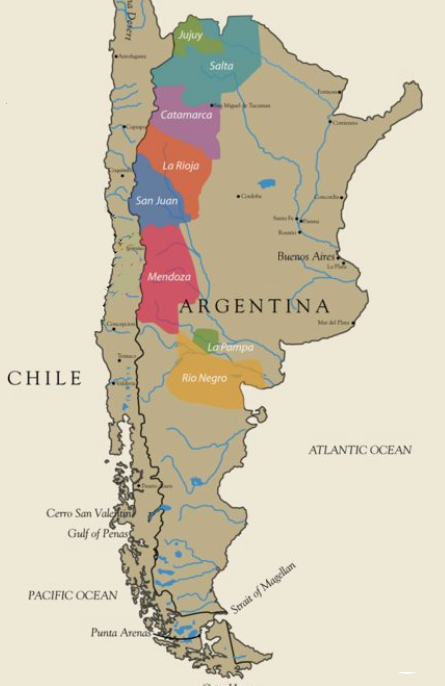

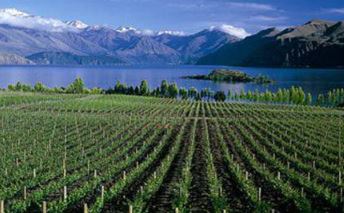

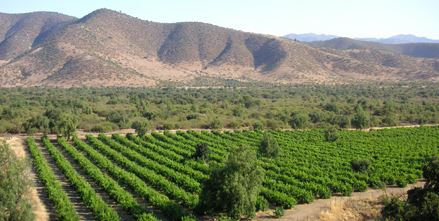


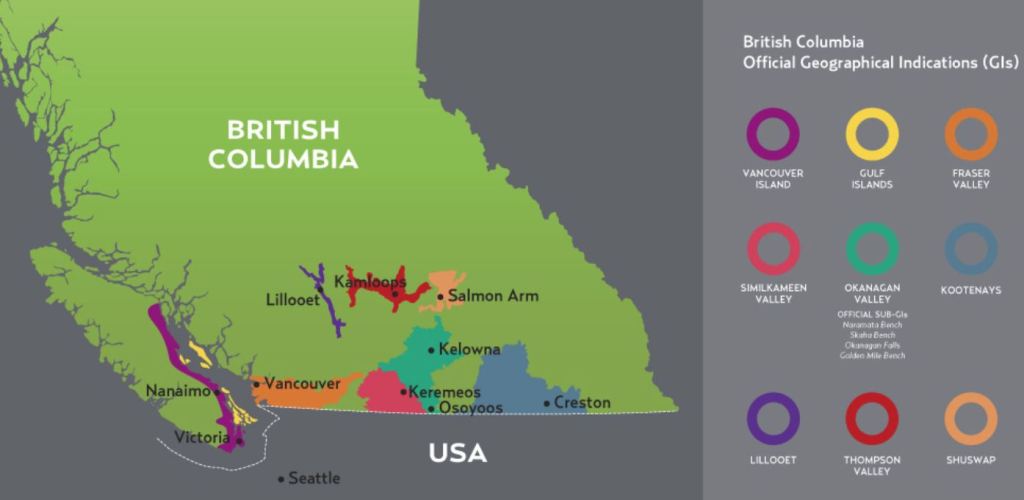

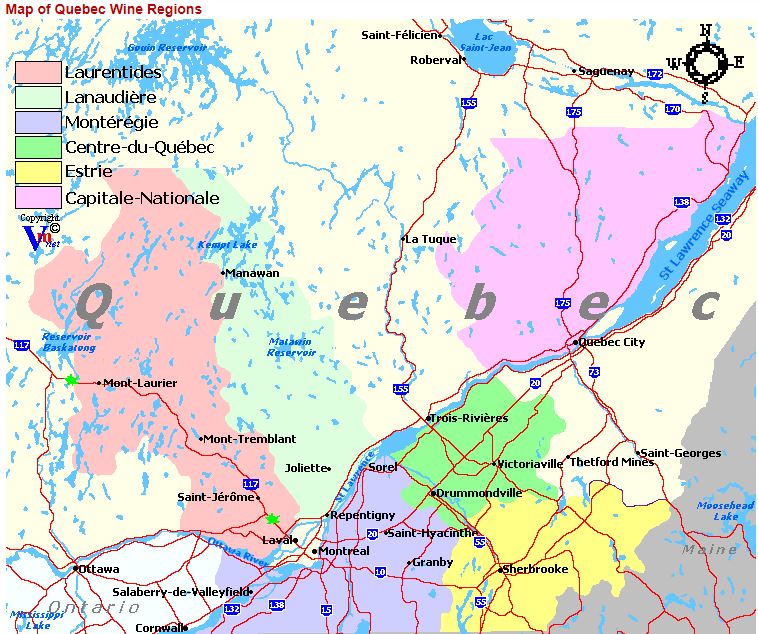
 A Layman's Wine Musings