In Ontario, where I live, there is an age-old debate as to whether wine and liquor sales should be government controlled and sold only in the Liquor Control Board of Ontario outlets (LCBO) or allowed to be sold by private enterprise. During recent years, government control has been loosened somewhat, enabling wine, beer and coolers to be sold in grocery stores and more recently in convenience stores.
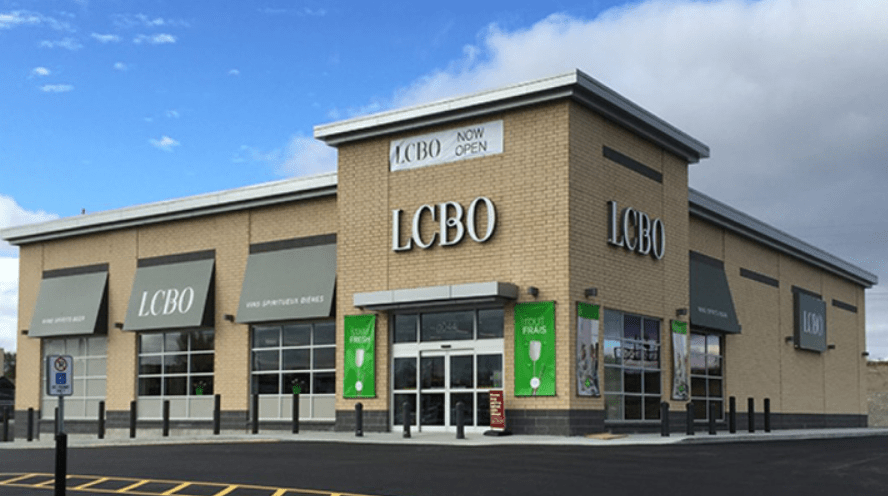
The LCBO’s history dates back to 1927 and the end of prohibition in Ontario. In 1927 the LCBO was basis of three central beliefs:
- The best way to prevent social harm and health risks related to alcohol consumption was to make purchasing alcohol awkward or inconvenient.
- Adults could not be trusted to make their own decisions around responsible alcohol consumption.
- Private sector retailers did not have the capacity to balance market competition and social responsibility.
Attitudes are very different today and it can be argued that the LCBO would not have been necessary nor created if current circumstances had applied in the 1920s. In today’s world, the private sector manages business enterprises for profit and the government regulates their behaviour through the establishment of standards and the use of enforcement to ensure those standards are met.
There have been several studies over the years on what reforms, if any, should be made to the LCBO. It has been argued that the government could generate more revenue by privatizing the LCBO’s retail stores while keeping their wholesale business in place.
This is what Alberta did back in 1993 when it introduced a privatization scheme. The system initiated more selection, arguably reduced prices and enhanced convenience for the consumer. It provided better opportunities for small business and alleviated the government from direct business operations.
Despite Alberta’s experience, Ontario has not had the enthusiasm for such a venture. A study published in 2019 suggested that the people of Ontario did not want privatization as they felt the LCBO provided great value-add to the community as their surpluses fund other provincial initiatives. Reform is more likely to take place in the distribution process via an expansion in the type and number of retail outlets allowed to sell wine and in the pricing of wine.
The LCBO has a dual social responsibility mandate. It is responsible for generating revenue for the benefit of the Ontario government, as well as a social responsibility to put in place a system of minimum selling prices to discourage excessive alcohol consumption. This has been criticized as being a legally sanctioned price fixing mechanism to guarantee profits and discourage price competition.
It’s interesting to note that each province sets its own rules and regulations regarding the sale of wine and liquor. This is illustrated by the table below which indicates when each province implemented and repealed prohibition in Canada.
Province/territory Prohibition enacted Repealed
British Columbia 1917 1921
Alberta 1916 1923
Saskatchewan 1915 1925
Manitoba 1916 1921
Ontario 1916 1927
Quebec 1919 1919
New Brunswick 1856 1856
1917 1927
Northwest Territories 1874 1891
Nova Scotia 1921 1930
Prince Edward Island 1901 1948
Yukon 1918 1920
Newfoundland 1917 1924
Perhaps standardization of liquor sales should be considered across the country. That could be a discussion for another day.
Sláinte mhaith
 A Layman's Wine Musings
Time for privatization. LCBO is an outdated monopoly.
LikeLike